
Lestari Moerdijat Urges Non-Formal Education Not to be Undervalued
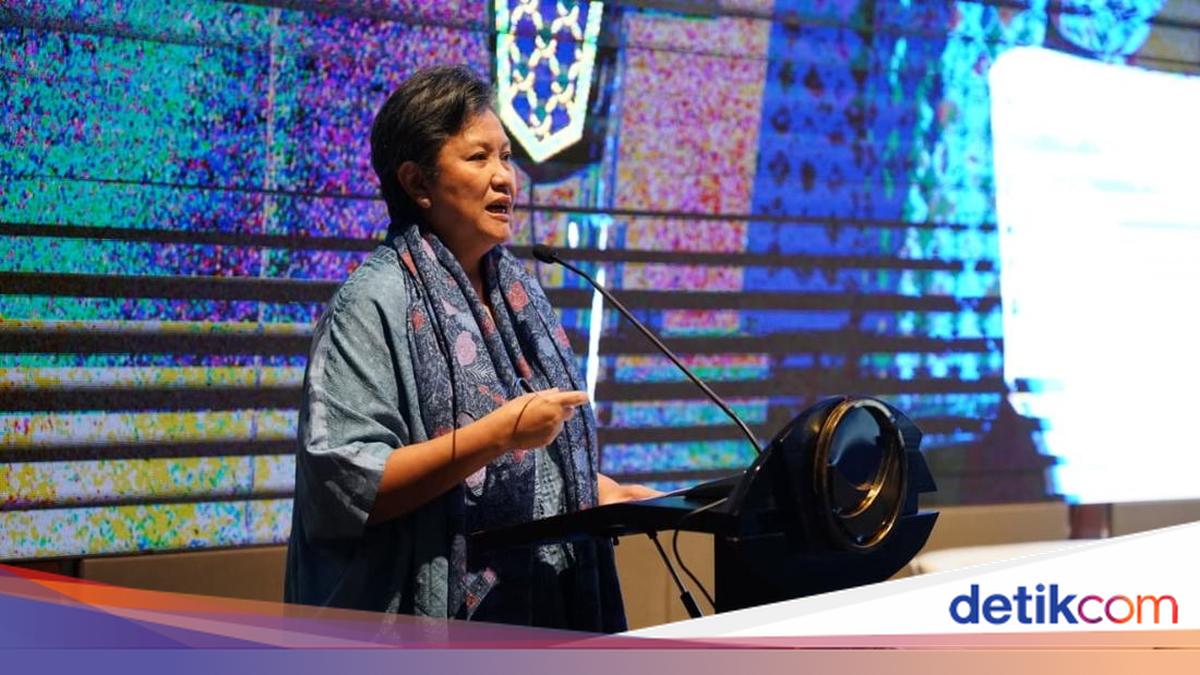
The Deputy Speaker of the MPR RI, Lestari Moerdijat (Rerie), is pushing for the strengthening of non-formal education as an essential part of the national education system. This step is considered crucial for opening learning opportunities for members of the community who have not been optimally reached by formal education.
“Non-formal education is not a second-class educational pathway. Non-formal education is an important route for the community to acquire skills, increase competence, and build a better future,” said Rerie in her statement on Friday (18/09/2026).
The Ministry of Basic and Secondary Education is known to have recently launched an update to the Basic Education Data (Dapodik) for course institutions. Lestari reminded that this step must not stop at mere administrative improvements.
All data related to institutions, students, teacher quality, and graduate achievements must serve as the basis for future policy formulation. This mapping is necessary to ensure that programmes are aligned with the needs of each region.
“Good data must lead to appropriate policies. The government must be able to identify who needs training, what competencies are required, and the extent to which such training opens up employment or entrepreneurial opportunities,” she said.
The government is currently targeting more than 21,000 participants to join the Job Skills and Entrepreneurship Education Programme in 2026. The primary targets include school-aged children who have dropped out of school and unemployed groups of society.
Lestari assessed that non-formal education holds a strategic role amidst the high number of workers with only basic education. Data from the Central Bureau of Statistics as of May 2026 noted that the majority of the 148.19 million working population still possesses lower-secondary education or below.
“This condition serves as a reminder that improving human quality cannot rely solely on formal education pathways. The state must provide lifelong learning opportunities that are easily accessible, high quality, and in accordance with the needs of the community,” said Rerie.
Strengthening the non-formal pathway requires improving the quality of course institutions, the relevance of materials, and the competence of teaching staff. Training programmes must also be designed based on the economic potential and specific skill requirements of each respective region.
“Training must truly provide a path towards employment, entrepreneurship, or increased income. Its success cannot be measured merely by the number of participants, but by the changes experienced by its graduates,” Rere insisted.
The integration of Dapodik for course institutions must be followed by a process of periodic programme quality evaluation. Real tracking of graduate achievements is an absolute indicator of a training programme’s success.
“Every citizen must have the opportunity to continue learning and improving their abilities, regardless of their background or the educational pathway they follow. That is the meaning of inclusive education that humanises humans,” she concluded.