
Lestari Moerdijat Urges Child Protection Amid Climate Crisis Threats
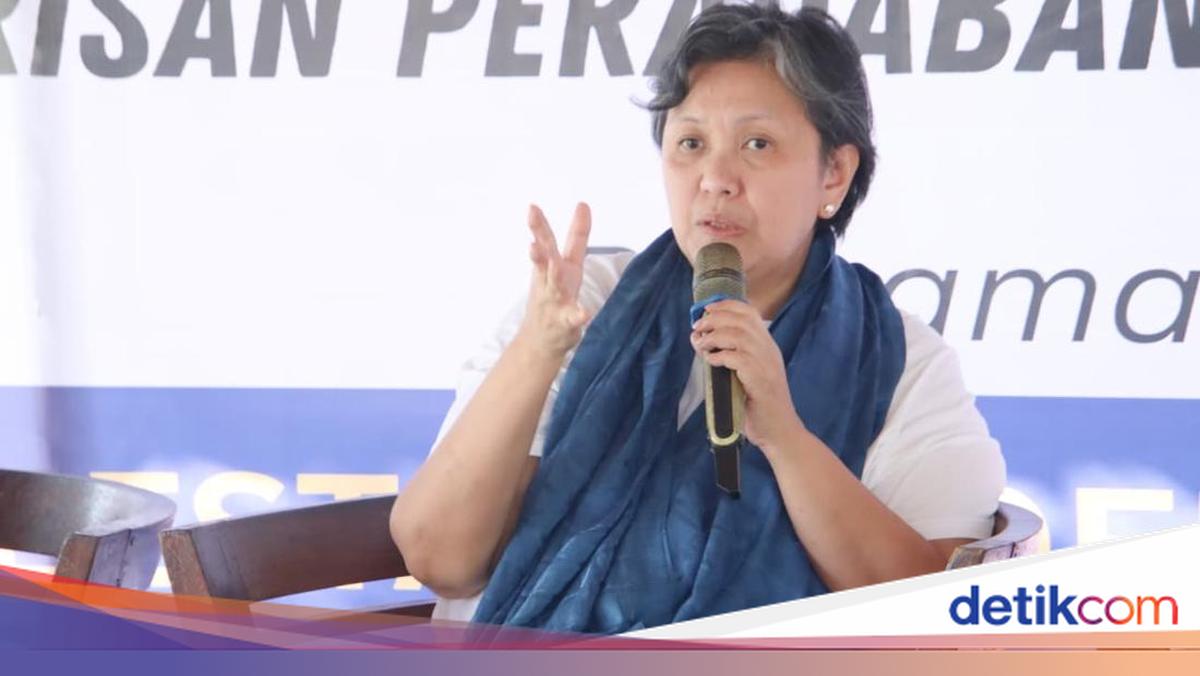
Protection of vulnerable groups, including children, must be a priority in addressing the impacts of the climate crisis. The threat of climate change is considered increasingly complex and has the potential to disrupt the health, education, and social lives of Indonesian children.
“The challenge of protecting vulnerable groups, including Indonesian women and children, which is increasingly complex in 2026 must be answered with strong collaboration from all relevant parties, in order to create a safe environment for every citizen,” said Deputy Speaker of the People’s Consultative Assembly Lestari Moerdijat in a written statement on Friday (21/8/2026).
The UNICEF Children’s Climate Risk Report 2026 revealed that nearly half of the world’s children, or around 1.1 billion people, now face multiple climate threats simultaneously. Children are the group most vulnerable to the impacts of the climate crisis, ranging from extreme heatwaves, drought, and floods to the spread of disease.
The same report stated that 1.5 billion children face longer or more frequent heatwaves, while 1.2 billion children are exposed to extreme heat. These threats can put pressure on health services, education, food supplies, and other basic needs. Sub-Saharan Africa and South Asia are cited as the worst-affected regions.
Indonesia is in a worrying position. Based on the Children’s Climate Risk Index 2026, Indonesia ranks 46th out of 163 countries, reflecting high exposure to climate crisis shocks.
Data from the National Disaster Management Agency (BNPB) shows that throughout 2025 there were more than 3,000 disaster events affecting more than 10.5 million people, including 3.17 million children. Severe flooding in Aceh, North Sumatra, and West Sumatra in November 2025 forced more than 1 million people to evacuate, with a third of them being children.
According to Moerdijat, these data points must receive serious attention from stakeholders so that concrete steps are taken immediately to reduce the potential of these various threats.
Data from the National Development Planning Agency (Bappenas) states that women and children in several regions are vulnerable groups exposed to the impacts of the climate crisis. These conditions can trigger an increased risk of human trafficking, child marriage, and school dropouts due to loss of livelihoods. She argued that a protection system built on community preparedness and appropriate disaster mitigation must be realised immediately.
According to Moerdijat, climate anomalies that can trigger drought or heavy rain not only have a significant impact on the environment, but also on the economic and social sectors of vulnerable communities. She assessed that strengthening the protection system for vulnerable groups by prioritising equal access to protection services and a preventive approach must be realised immediately.
Collaboration between government, the private sector, communities, and the public, she stressed, is no longer an option but a necessity to achieve this.
“A protection system for vulnerable groups from the threat of climate crisis impacts is no longer merely rhetoric, but an urgent need that demands real action,” she concluded.