
Lestari Moerdijat: Transparency in DTSEN Validation is Key to Poverty Data Accuracy
The Deputy Speaker of the MPR RI, Lestari Moerdijat, emphasised that transparency and the effectiveness of the National Single Socio- ext{Economic} Data (DTSEN) validation process are crucial to bridging the gap between the state’s ambition for accurate data and the risk of vulnerable communities losing access to assistance. This was stated in a written statement on Thursday (10/9).
According to Lestari, popularly known as Rerie, the current controversy surrounding the DTSEN update is triggering significant changes in welfare decile rankings. Consequently, a number of poor and vulnerable citizens risk losing their rights to social protection programmes due to shifts in data status that do not reflect real-world conditions.
The government has established the DTSEN as the single database for all social protection programmes in Indonesia. The scale of this data is massive, covering hundreds of millions of individuals across the country.
Rerie highlighted numerous complaints from members of the public who are clearly living in hardship but have been placed in higher welfare deciles. This inaccurate decile placement automatically severs their access to much-needed social assistance.
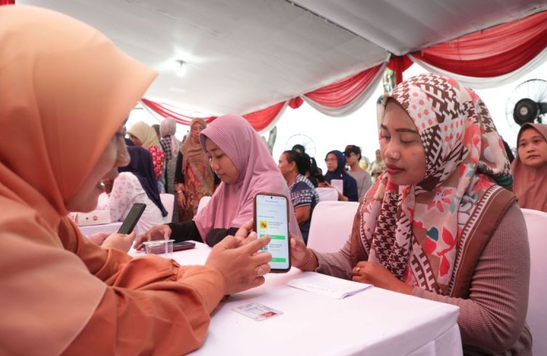
As a solution to data inaccuracy, the government has provided a dispute mechanism for the public. The member of Commission X of the DPR RI encouraged citizens to be proactive in using available digital channels to ensure the validity of their welfare status.
However, Rerie emphasised that the existence of such applications must be accompanied by ease of access and massive, easy-to-understand socialisation. Without strong public outreach, the wider community will struggle to evaluate their status independently.
“Every development policy must have clear targets, be based on measurable data, and be capable of being evaluated openly so that the results can prosper all Indonesian people,” concluded the NasDem Party politician.