
Lestari Moerdijat: Proper Mentorship and Role Models Needed to Build National Character in Children
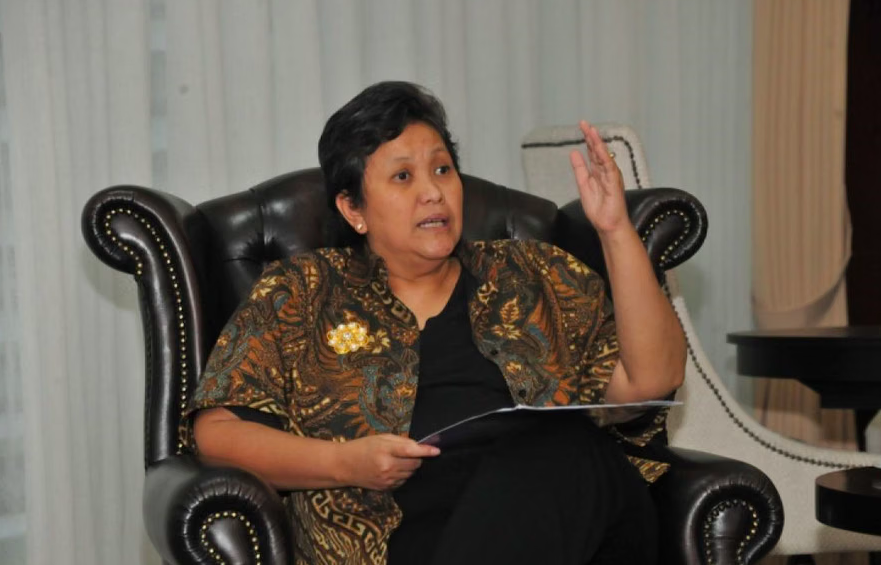
The Deputy Speaker of the MPR RI, Lestari Moerdijat, has emphasised that proper mentorship patterns and exemplary role models are essential to instil national values in the nation’s future generations. Speaking at an online discussion titled ‘Parents as Guardians of Pancasila Values: Challenges of Character Education in the Era of Digital and AI’, Moerdijat noted that the current situation faces a crisis of guidance and role models that could potentially erode the understanding of national values among children.
Moerdijat stated that this crisis must be anticipated through the involvement of all parties, starting within the family environment. She noted that while technological innovations bring progress, the accompanying flow of information is gradually eroding the moral foundations of the nation’s children. Citing a report from the Ministry of Communication and Digital, she revealed that 1,923 pieces of hoax content were identified in Indonesia’s digital space last year. Furthermore, she observed a phenomenon of ‘parental burnout’, where parents unconsciously delegate the role of character education to social media recommendation algorithms.
As a result, children’s characters are no longer being shaped by parental guidance intended to introduce the noble values of Pancasila, such as mutual cooperation (gotong royong) and politeness. The NasDem Party member urged stakeholders, society, and parents to work together to build a proper ecosystem for parenting, guidance, and education.
Prof. Dr. Rose Mini Agoes Salim, a Professor at the Faculty of Psychology, University of Indonesia, argued that the role of the family must be strengthened to manage the impacts of digital technology. She suggested that parents must act as mentors and role models for their children when interacting in the digital world, ensuring that values such as divinity, morality, and respect for others are maintained.
Henny Supolo, Chairperson of the Cahaya Guru Foundation, emphasised the importance of developing critical thinking skills in children to help them apply Pancasila values to their daily lives. Similarly, education activist Indra Charismiadji criticised the national education system for focusing too heavily on schools while neglecting the vital roles of families and youth movements. Character education expert Doni Koesoema added that addressing digital threats requires a cultural movement rather than just individual efforts, calling for a child-friendly digital ecosystem.