
Lestari Moerdijat Promotes Preservation of Wood Carving Art through Regeneration of Masters
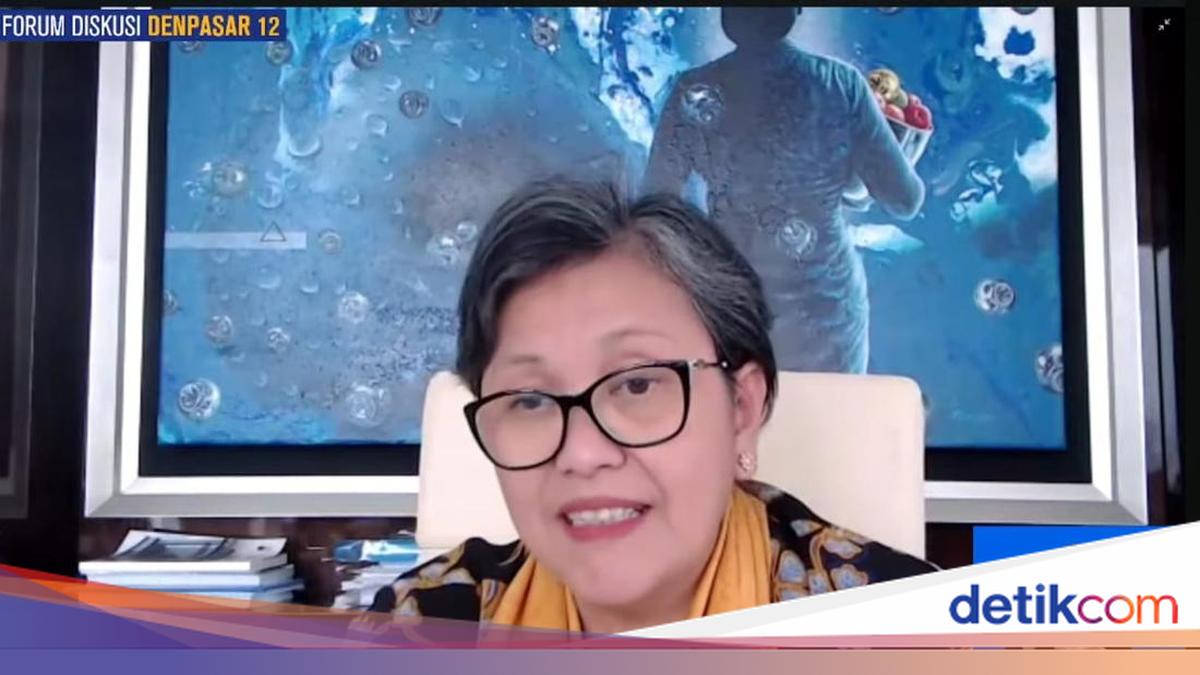
Moderated by Eva Kusuma Sundari, Special Staff to the Deputy Chairman of the MPR RI, the discussion featured Restu Gunawan, Director General of Cultural and Traditional Protection at the Ministry of Culture, as well as art curators Nano Warsono and Suwarno Wisetrotomo as speakers. Art carving observer Arif Akhyat was also present as a respondent.
In her opening remarks, Lestari emphasised that wood carving art is not merely an artistic work or market commodity, but also part of the nation’s cultural identity, an inheritance of ancestral values and knowledge that must be continuously preserved.
“In the context of Jepara, efforts are currently underway to nominate Jepara wood carving as a world cultural heritage to UNESCO. For this, well-documented transmission of carving knowledge from masters to successor generations is required,” Lestari stated in her comments on Wednesday (29/4/2026).
Further, Lestari revealed that Indonesia is rich in arts and masters whose works are recognised worldwide. However, she noted that the current challenge is how to ensure that this wood carving cultural heritage can be continuously preserved and passed on to future generations in a sustainable manner.
To maintain the sustainability of Jepara wood carving art, Lestari assessed that a modern touch is needed in its development, without losing the meaning inherent in the art.
Therefore, she encouraged all parties to work together to ensure that cultural arts heritage can be understood and preserved by future generations.
A Strong Arts Ecosystem is Needed to Produce Masters
Meanwhile, Suwarno opined that a master is at the level of bhakti yoga, someone who devotes themselves to their chosen profession, becomes an example, and should already be fulfilled with themselves.
However, to produce a master, the involvement of many parties is truly needed.
“We cannot expect to have many art masters in the country without building a good arts ecosystem in the country, which requires the involvement of all parties,” Suwarno said.
On the other hand, Restu revealed that the government to date has been promoting various artistic and cultural riches in the country to gain world recognition.
Currently, the government is undertaking various efforts through single or joint nominations and extensions to register a number of Nusantara arts and cultures to UNESCO.
According to Restu, the government’s role in producing art and culture masters encompasses two main aspects. First, the development of human resources (HR) in the fields of art and culture. Second, education for the public to have a good understanding of the value of art and culture.
“Without the public’s good understanding of art and culture, no one will be able to appreciate the works of the masters,” Restu explained.
Restu added that the government is also implementing an integrated cultural data system, in an effort to build an integrated ecosystem for the development of art and culture involving masters from diverse artistic and cultural backgrounds.
The Important Role of Masters as Drivers of the Arts Ecosystem
On the same occasion, Nano expressed that wood carving art masters have existed since the past. She assessed that the role of these masters is important as drivers of the arts ecosystem.
“How the role of masters can be affirmed as a driver in building an excellent arts ecosystem in the present day,” Nano clarified.
Nano emphasised that discussions on wood carving art today are not just about art, but also about realistic economic needs.
“A healthy and sustainable ecosystem must be realised in efforts to develop wood carving art in the country,” Nano stated.
Meanwhile, Arif conveyed the importance of a grand design in developing art and culture in the country so that various efforts can be on target.
Arif acknowledged that efforts to produce masters in the fields of art and culture require support from all parties so that the process can be sustainable.
“In the context of producing masters, the state should not only want to ‘harvest’, but neglect the steps of ‘nurturing’ and ‘caring’ for them,” Arif said.
Arif hopes that efforts to preserve arts and cultures that developed in the past can be sustainable to the present day.
Padepokan Proposed as a Space for Nurturing Wood Carving Masters
On that occasion, senior journalist Saur Hutabarat expressed that a master has passed through three dimensions, namely technical, artistic, and philosophical. Therefore, according to him, a master is not only born but can also be shaped through the right learning process.
“If a wood carving master can be produced in the future, then how can we predict people who have the potential to become masters in the future?” Saur asked.
To produce wood carving masters in the future, he proposed the implementation of the padepokan concept, as used in dance arts.
“In the padepokan, a person can delve into technical aspects, art, and be able to embody the philosophical aspects taught by the wood carving masters,” he concluded.