
Lestari Moerdijat: Overhaul Teacher Governance and Welfare to Drive Quality of Teaching
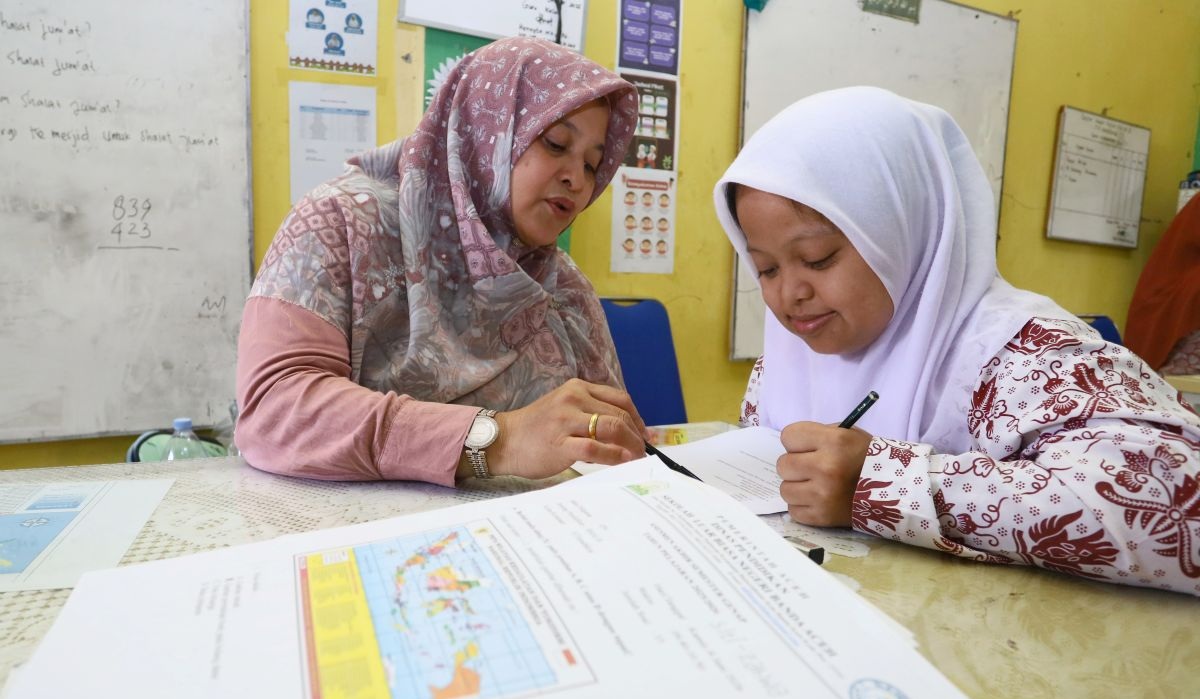
Improvements to teacher governance and welfare must be followed by concrete actions capable of accelerating the increase in teaching quality across the country. “Improving welfare alone is not enough to directly boost the quality of national education without support from equitable distribution and special attention to teachers,” said MPR RI Deputy Speaker Lestari Moerdijat in a written statement on Tuesday (9/6). The Ministry of Primary and Secondary Education (Kemendikdasmen) last week announced a number of strategies to accelerate improvements in teaching quality. These include a target for 230,000 active teachers to participate in the Teacher Professional Education (PPG) programme and an increase in the Teacher Professional Allowance (TPG) from Rp1.5 million to Rp2 million per month in 2026. Meanwhile, a 2024 survey by the Institute for Demographic and Poverty Studies (IDEAS) and GREAT Edunesia Dompet Dhuafa revealed that 20.5% of non-permanent teachers still live on an income below Rp500,000 per month. “Non-permanent teachers who have served for more than a decade but have yet to receive recognition or welfare represent a reality that cannot be ignored,” said Rerie. She stressed that the structuring of teacher management is not merely an administrative staffing matter. “This is a question of national direction, of how the state fulfils the constitutional mandate to educate the life of the nation,” she asserted. To ensure that governance overhauls truly improve teaching quality, Rerie, who is also a member of Commission X of the DPR RI, urged the government to massively accelerate the completion of certification for non-civil servant teachers. In addition, the NasDem Party High Council member added that improvements to a fair incentive system and the strengthening of continuous post-certification evaluation must also be implemented. Rerie emphasised the importance of monitoring the impact of policies on the quality of classroom learning. “Improving teacher competence must be a priority, leading to better training in literacy, numeracy, and character building for students. All of this requires immediate handling,” she said. Rerie reminded that without concrete measures that favour teachers, improving teaching quality will be difficult to achieve in the near future. “An appropriate national roadmap is needed, ranging from the distribution of educators, a fair recruitment system, job status certainty, professional protection, to decent welfare, in order to improve the quality of teaching in the country,” concluded Rerie.