
Lestari Moerdijat: Karimunjawa a Natural Heritage That Must Be Protected Together
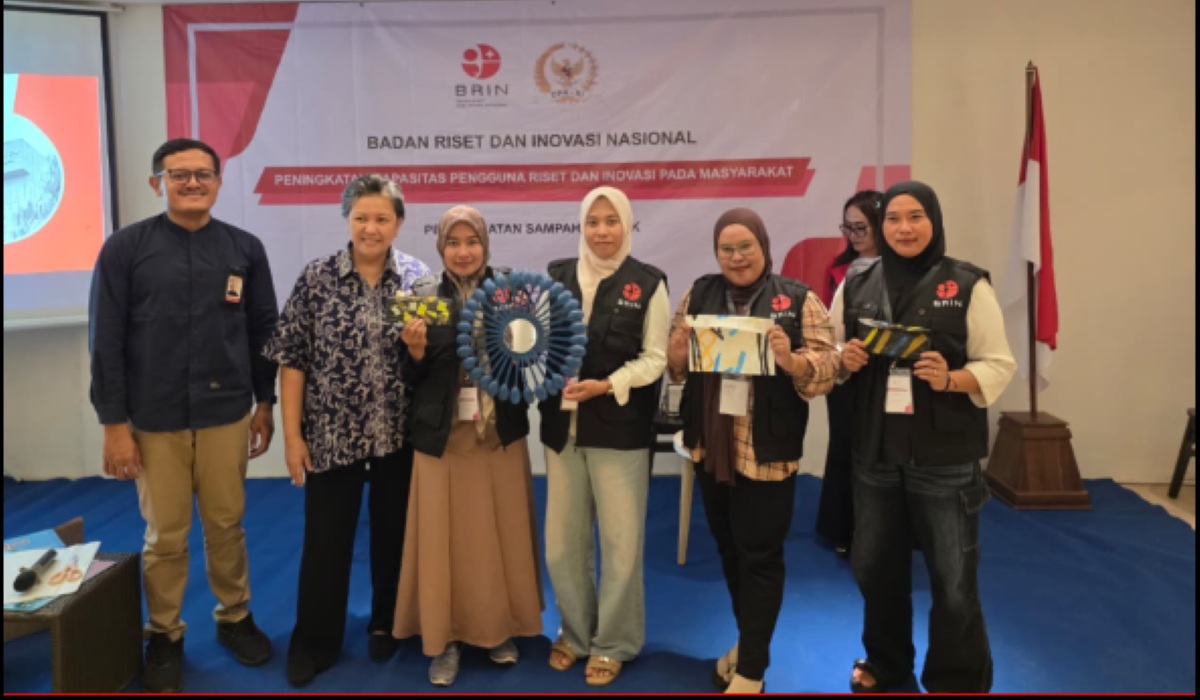
Karimunjawa’s livelihood depends on its natural environment. If nature is damaged, the impact will be felt not only by the environment but also by the economy of communities reliant on fisheries, tourism, trade, and services. MPR Deputy Speaker Lestari Moerdijat made this statement during a Technical Guidance event on Plastic Waste Management in Karimunjawa, Jepara, Central Java, on Saturday (20/6). A speaker from the National Research and Innovation Agency (BRIN), Faizinal Abidin, was also present. Addressing 100 young waste management activists, Lestari noted that Karimunjawa, as one of Indonesia’s most important marine conservation areas, faces increasing challenges in managing plastic waste due to rising tourism and economic growth. The area, spanning over 111,000 hectares, boasts rich marine ecosystems including coral reefs, seagrass beds, and mangrove forests that serve as the community’s source of life. While the increase in tourist visits is good news for the local economy, Lestari stressed that heightened human activity directly correlates with a rise in waste volume, particularly plastic waste. Citing UNEP data, she noted that the world produces more than 400 million tonnes of plastic waste annually, with approximately 11 million tonnes entering the oceans. As an archipelagic nation, Indonesia faces significant challenges in controlling plastic pollution that threatens coastal and marine ecosystems. Lestari, who also serves as a member of House Commission X, pointed out that Karimunjawa faces a unique challenge as waste found there originates not only from local residents and tourists but also from debris carried by ocean currents from various coastal areas in Java. This creates a double burden for the community in maintaining environmental cleanliness. Plastic waste not only threatens the beauty of the tourist area but also has the potential to damage coral reefs, disrupt marine life, and produce microplastics that eventually enter the human food chain. She emphasised that waste management is not solely an environmental issue but also concerns the economy, health, and the future of coastal communities, requiring behavioural change and a collective movement involving all elements of society. Through the technical guidance, participants gained knowledge and skills on waste reduction at source, waste sorting, household waste management, developing waste banks, and utilising waste with economic value. BRIN speaker Faizinal Abidin affirmed the agency’s commitment to delivering research results that do not stop at scientific publications but can be practically applied to address community problems. He stated that BRIN possesses many applicable research findings and innovations in environmental management, waste management, and the preservation of coastal areas and small islands. The challenge lies not only in generating knowledge but in how that knowledge can be implemented and provide tangible benefits to the community. The technical guidance event in Karimunjawa represents a form of disseminating BRIN’s research and innovation results. Faizinal added that plastic waste management requires collaboration among various parties, including government, businesses, academics, communities, and the public. Therefore, BRIN continues to encourage the use of research results as a basis for policy formulation and environmental management practices at the local level. Lestari expressed confidence that Karimunjawa possesses strong social capital to become a national model for community-based waste management, with the tradition of mutual cooperation among island communities serving as a vital strength in building a new culture that is more environmentally conscious.