
Lestari Moerdijat Highlights Welfare and Regeneration of Batik Artisans
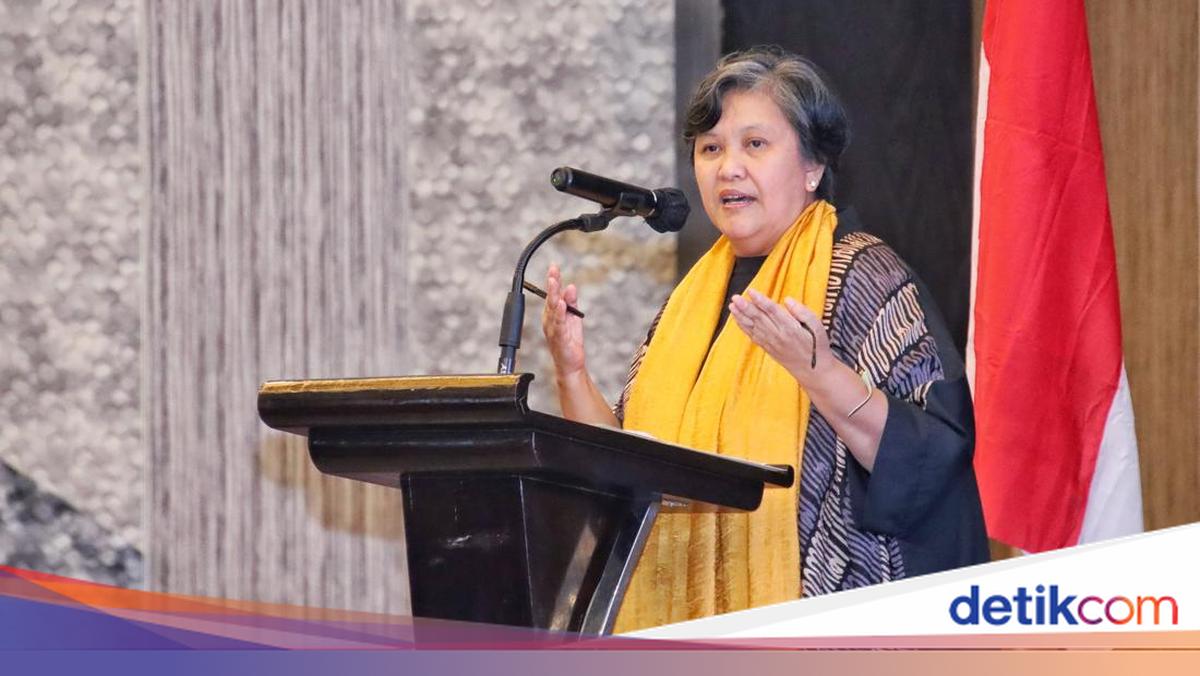
The Deputy Speaker of the MPR RI, Lestari Moerdijat (Rerie), has emphasised that pride in batik must be manifested through concrete actions to ensure this cultural heritage remains alive. She noted that National Batik Day celebrations have yet to fully impact the welfare of artisans or the sustainability of batik-making skills.
“Wearing batik is a form of appreciation. That appreciation must be followed by ensuring that artisans can live decently, their skills are passed down, and their works find a fair place in the market,” Rerie stated in a written statement on Monday (5/10/2026).
Rerie believes the condition of the batik industry needs to be examined holistically. While batik holds potential as both a cultural and economic product, it faces market pressures and serious regeneration issues.
Data from the Indonesian Batik Artisans and Entrepreneurs Association (APPBI) shows that between 2019 and 2023, the number of batik artisans decreased by approximately 20%, from around 131,000 to 105,000 people. This decline reflects the weakening sustainability of cultural practitioners in many batik centres.
“Regeneration cannot be addressed simply by inviting young people to love batik. They must also see that being a batik artisan is a profession with a future, offering decent income, opportunities for growth, and recognition of their expertise,” Rerie asserted.
Rerie reminded that the significance of UNESCO’s recognition needs to be understood more deeply. In 2009, UNESCO included Indonesian Batik on the Representative List of the Intangible Cultural Heritage of Humanity. This recognition encompasses the techniques, symbolism, and culture accompanying batik, including the knowledge and skills passed down through generations.
According to Rerie, international recognition must be translated into education, capacity building, and community involvement. One way to achieve this is through batik education and training, which is recorded by UNESCO as a good preservation practice.
“UNESCO recognition brings the responsibility to keep that heritage alive. We need to nurture the knowledge of motifs and their meanings, preserve batik-making skills, and ensure that the communities keeping this tradition alive also enjoy the economic benefits,” she said.
Rerie also emphasised the importance of product information clarity. She argued that consumers need to know honestly whether a fabric is produced through hand-drawn (tulis), stamped (cap), or combination processes, or if it is merely printed fabric with batik motifs. This would help the public understand price differences and appreciate the artisans’ labour.
In the field of education, Rerie encouraged schools, universities, museums, and communities to expand learning spaces alongside batik artisans. Furthermore, she urged continuous support for batik businesses through access to financing, design and marketing assistance, and purchasing practices that offer fair prices to artisans.
Technological support is also required to ensure occupational safety, efficient water usage, and waste management, so that industrial development proceeds alongside environmental responsibility.
Rerie stated that the progress of preservation should be measured by concrete results, such as an increase in young batik artisans, improved artisan income, business sustainability, and the preservation of cultural knowledge in every batik centre.
“Batik Day should remind us that behind every cloth, there are humans, skills, and cultural memories. Our pride will only be meaningful when the artisans are prosperous and the next generation has the opportunity to continue this heritage,” Rerie concluded.
Source: jawawa.id (https://jawawa.id/newsitem/lestari-moerdijat-highlights-welfare-and-regeneration-of-batik-artisans-1791205217)
Originally published by detikcom (https://news.detik.com/berita/d-8693581/lestari-moerdijat-soroti-kesejahteraan-dan-regenerasi-perajin-batik), translated from Indonesian