
Lestari Moerdijat: Green Batik Must Be Accompanied by Justice for Female Workers
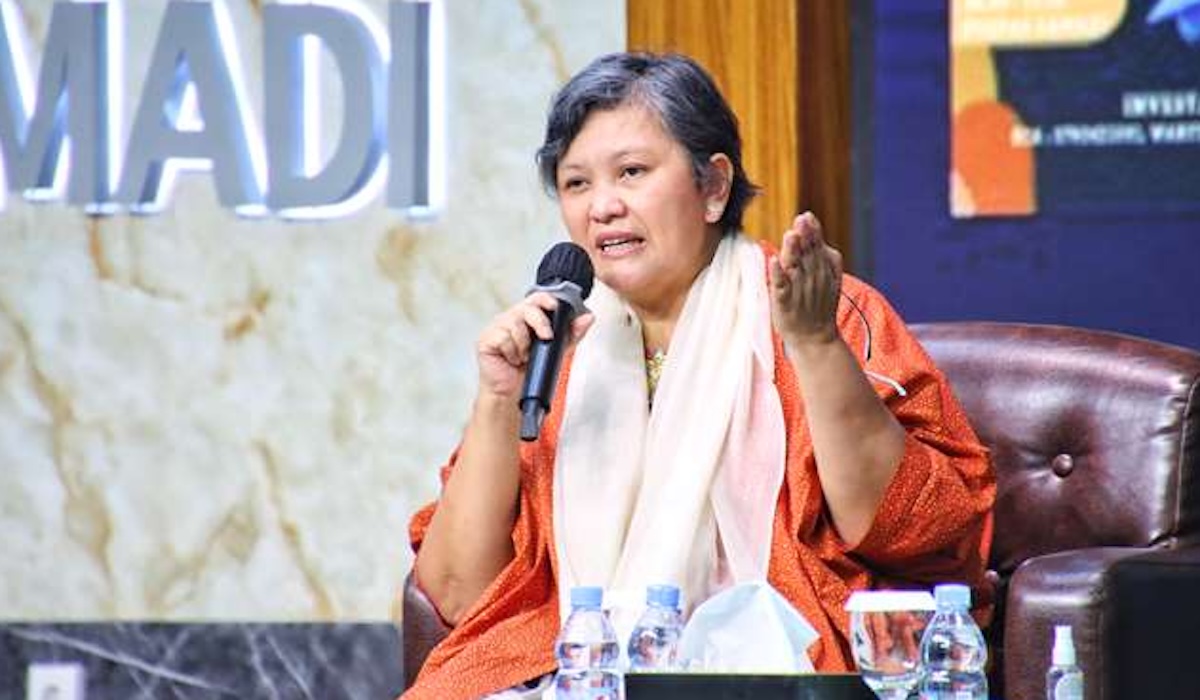
The progress of environmentally friendly batik is considered insufficient if the increase in product value is not accompanied by the welfare of the female workers involved in its production process.
Deputy Speaker of the MPR RI, Lestari Moisedjat, stated that the concept of green batik must encompass not only environmental aspects but also justice and fair compensation for workers. “There is no justification for a product to label itself as a sustainable product or green fashion if, behind the scenes, there are still inequalities and exploitative labour practices without equitable financial compensation,” said Lestari, also known as Rerie, during the Denpasar 12 Discussion Forum held online on Wednesday (16/9).
According to Rerie, the increasing demand for eco-friendly fashion products is beginning to drive changes within the national batik industry. A number of businesses have started using natural dyes and implementing production processes that pay greater attention to environmental impacts.
Batik produced with an eco-friendly approach is also beginning to carve out its own niche market and can be marketed at higher prices. However, Rerie warned that the ‘green’ label should not merely be a strategy to increase selling value. “The added value or the claim of green products in the market, narratively, provides an opportunity for products to gain increased value. However, the female workers themselves do not enjoy the increase or the benefits from this rise in product value,” she said.
Rerie highlighted the dominance of women in the workforce within the Micro, Small, and Medium Enterprises (MSME) batik sector, noting their involvement in various critical stages of the production process. According to her, the implementation of more sustainable production methods can even increase the workload, as it requires additional time, effort, and production stages. This condition is seen as problematic if it is not accompanied by an increase in wages.
This situation creates a paradox in the development of green batik. Products carrying a sustainability concept have the opportunity to achieve higher economic value, while workers at the production level may not necessarily share in that increased value. Rerie also mentioned that the export value of Indonesian batik in 2025 is projected to reach approximately US$30.62 million, representing a 13.3 per cent growth compared to the previous year.
She argued that the growth of the batik trade needs to be accompanied by a more tangible economic impact for workers, particularly the women directly involved in the production process. “Looking at the disparity between export growth and the stagnation of worker welfare, a fundamental reconstruction towards an economic model that is truly oriented towards welfare is required,” she stated.
Beyond its economic value, batik is a part of Indonesia’s cultural heritage, having been recognised on the UNESCO Intangible Cultural Heritage list since 2009. Therefore, Rerie believes that the development of green batik needs to unite three aspects simultaneously: environmental sustainability, cultural preservation, and the welfare of the community working within the batik industry ecosystem.
In her view, the measure of sustainability should not stop at the use of raw materials, dyes, waste management, and eco-friendly production processes. The protection of workers’ rights, equality in compensation, and the improvement of female workers’ welfare must also become part of the sustainability indicators. “Green batik and justice for female workers must unite the agendas of environment, culture, and welfare,” she concluded.