
Lestari Moerdijat: Education Must Become the Main Perspective in National Development
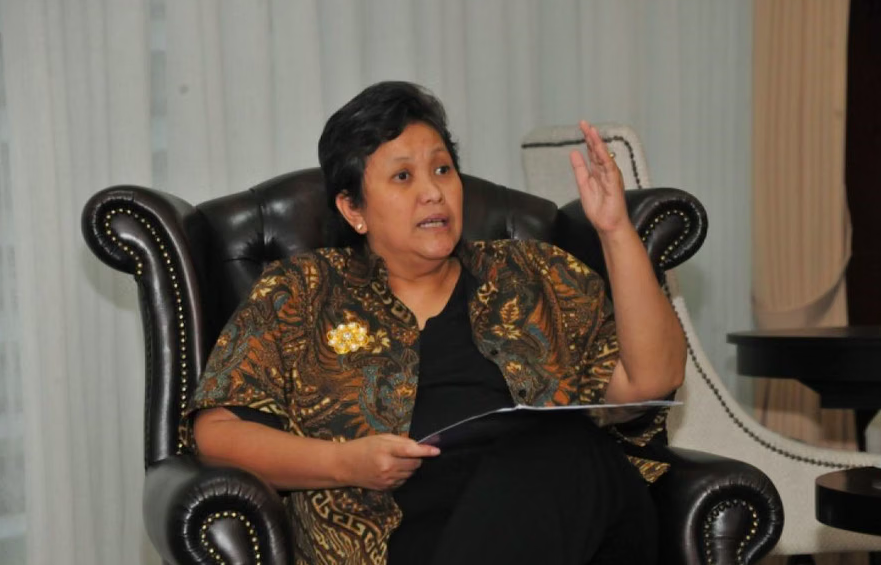
The People’s Consultative Assembly (MPR) of the Republic of Indonesia, together with the Sarinah Institute, held an Actual National and State Discussion Forum with the theme ‘Reviving the Tri Pusat Pendidikan’ on Thursday (26/6). In the forum, various groups highlighted the importance of restoring the spirit of national education as envisioned by the nation’s founders, especially the Tri Pusat Pendidikan concept which places the family, school, and community as the main pillars for shaping the character of the younger generation. MPR Deputy Speaker Lestari Moerdijat stated that the issue of education must be a serious concern in national development. According to her, education cannot be viewed merely as a technical and administrative matter, but must be seen as a perspective in building the life of the nation and state. ‘When we talk about education, we must see it as a point of view. Education is not just about governance and administration, but also concerns the direction and future of the nation,’ said Rerie, as she is familiarly known, on Thursday (25/6). She explained that various problems emerging today, from a crisis of character to the weakening sense of nationalism, cannot be separated from the current education system. Therefore, a deepening of the basic educational values inherited from national figures is needed, especially Ki Hajar Dewantara’s ideas about education rooted in culture and nationality. On that occasion, Rerie also highlighted the importance of parental involvement in the educational process. However, she noted that this involvement is often misinterpreted as merely physical presence at various school activities. ‘Parental involvement is not just about attending every school activity. What is more important is involvement in substantive matters, namely how parents understand and support the child’s educational process comprehensively,’ she said. Besides the family, she believes the community must also reclaim its role in education. This aligns with the Tri Pusat Pendidikan concept, which places the social environment as an important part of character building and the life values of students. Furthermore, Rerie highlighted the lack of optimal attention to cultural aspects in various education policies. In fact, culture is an inseparable part of the educational process and the formation of national identity. ‘When we talk about education, we cannot separate it from culture. Culture is the result of human work, creativity, and thought inherited through the learning process. Therefore, cultural aspects must have a clear place in the national education system,’ she said. Lestari also reminded that future educational challenges are increasingly complex. Amidst the target of realising Indonesia Emas 2045, a phenomenon has emerged where some young people are beginning to lose their emotional bond with the nation and state. According to her, this condition is a shared responsibility that cannot be resolved instantly. It requires strengthening national, cultural, and character values through an education system that involves families, schools, and communities in an integrated manner. The results of the discussions held in the forum, Lestari continued, are expected to serve as input for the formulation of national education policy. As MPR Deputy Speaker with a background in education, she is committed to conveying the various recommendations emerging from the forum to the relevant commission in the Indonesian House of Representatives (DPR RI) for consideration in future policy formulation. ‘This is our shared responsibility. We want to ensure that Indonesian education not only produces a generation that is academically intelligent, but also possesses strong character, culture, and a sense of nationalism,’ she concluded.