
Lessons from the Dukono Volcano Tragedy: When 'It's Safe' on Social Media Becomes Deadly
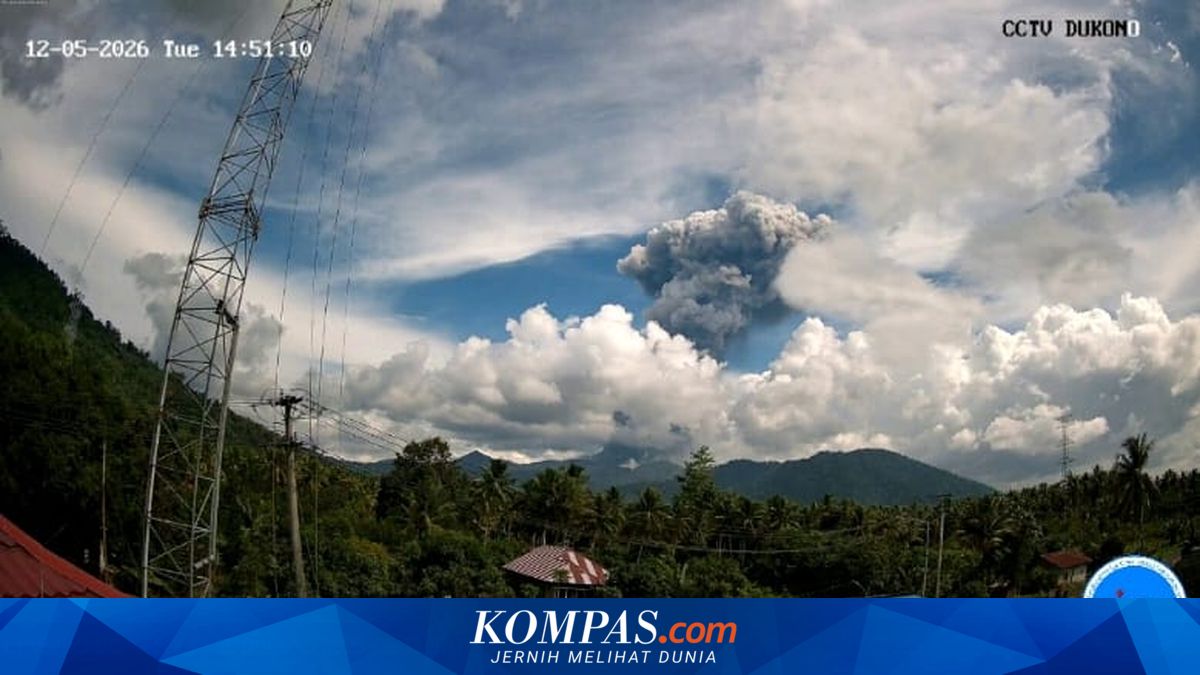
In the modern era of mountaineering, the greatest threat turns out not to be just magmatic activity, but rather low volcanology literacy. The tragedy at Mount Dukono reveals how scientific data is often overshadowed by distorted information spread on social media. This event serves as a loud alarm for mountaineering safety management in Indonesia, exposing an accumulation of failures in the information system, personal compliance, and systematic risk governance. Scientifically, Mount Dukono is a volcano with nearly continuous eruptive activity. However, this fact is often eclipsed by the ambitions of hikers trapped in fatal misconceptions about the safety of volcanic areas. The Indonesian Association of Disaster Experts highlights the deadly eruption incident at Mount Dukono as a form of fatal recklessness. PVMBG has set a four-kilometre danger radius since December 2024, followed by the closure of hiking trails in April 2026. Real threats in the form of ejected incandescent material and toxic gases, such as sulphur dioxide (SO2), can emerge suddenly without warning, even if the crater surface appears calm. A disaster educator from the Indonesian Association of Disaster Experts (IABI), Dr Daryono, asserts that the view ‘a calm mountain means safe’ is a deadly cognitive trap for hikers. ‘Scientifically, concentrations of dangerous gases can shift suddenly following wind direction. The safe radius limitation set by authorities is not mere administrative formality, but the line between safety and fatality,’ Daryono stated in a written release on Monday (11/5/2026). Daryono conveyed that modern mitigation challenges are now increasingly difficult with the emergence of the ‘infodemic’ phenomenon. Narratives from influencers displaying visualisations of safe conditions without scientific basis often obscure official warnings from competent institutions. This creates a distortion of risk perception in society. ‘Disaster literacy is often defeated by the popularity of viral content,’ he said.