
LEO satellite cited as alternative to overcome 3T connectivity blank spots
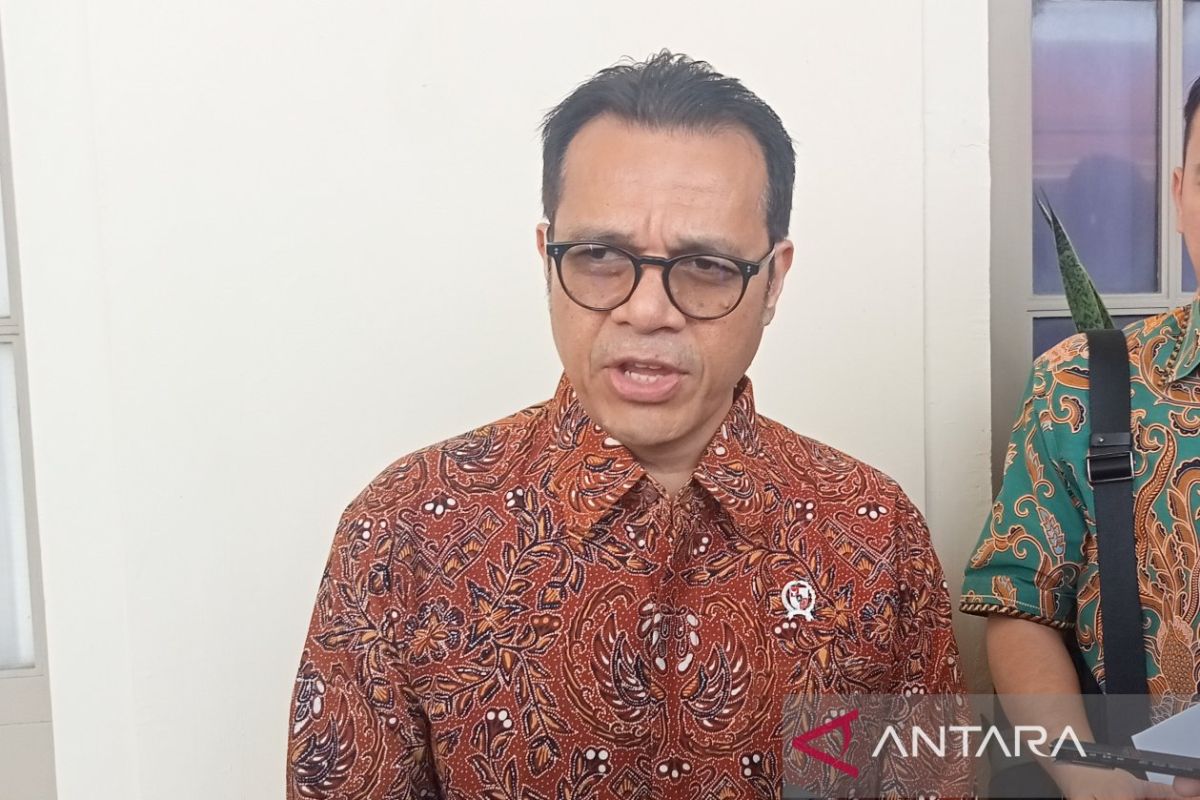
Jakarta (ANTARA) - The Deputy Minister of Communications and Digital (Wamenkomdigi) Nezar Patria said that Low Earth Orbit (LEO) satellites are one of the options to overcome blank spots or areas not reachable by connectivity in 3T areas (frontier, lagging, outermost). ‘LEO is one option. There are many choices, from fibre optic to BTS, depending on field conditions in the 3T areas,’ Nezar said in a statement received and confirmed from Jakarta, on Friday. He said LEO satellites are a strategic option to expand connectivity to remote areas and disaster-affected regions where terrestrial telecommunications infrastructure is hard to reach. In pursuing connectivity equality, Nezar said the Indonesian government continues to evaluate the most effective connectivity technologies to close the digital access gap. ‘LEO also has some limitations. If there is disruption or cloud cover, latency may be affected. But it is very effective in the sea or mountains,’ he explained. In practice, the government has used LEO services to support communications in disaster-affected areas and regions that are completely isolated from conventional telecommunications networks. ‘We already tested it in Aceh, North Sumatra, and West Sumatra at the time. LEO devices were distributed to remote areas that could not be reached at all, and the communications were very good. We could connect, even used for video calls,’ he said. Nonetheless, Indonesia believes that achieving connectivity equality requires using a variety of telecommunication technologies. Starting from fibre optic deployment to building base transceiver stations (BTS), and satellites, all should be combined and utilised in accordance with Indonesia’s geographical characteristics, which comprise thousands of islands and mountainous regions.