
Lemhannas RI Urges Journalists to Build Nationalist Journalism
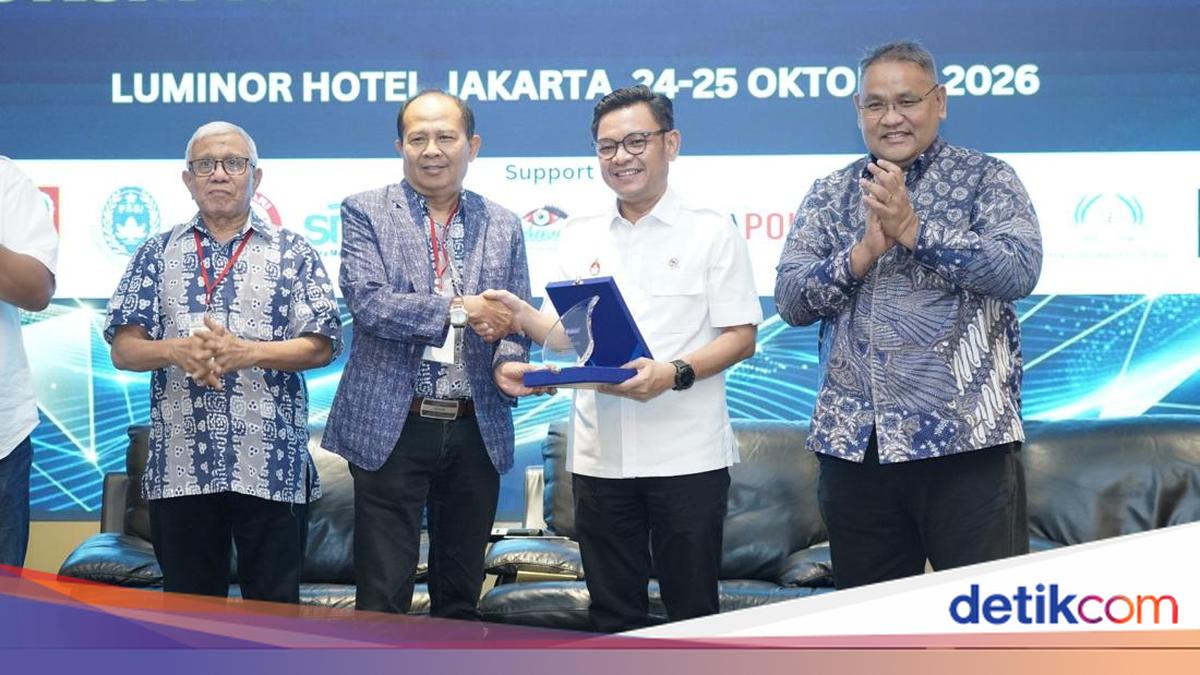
The Governor of the National Resilience Institute of the Republic of Indonesia (Lemhannas RI), Ace Hasan Syadzily, has called on journalists to build a form of nationalist journalism to help guide Indonesia towards its Golden Indonesia 2045 vision. He made the appeal at the 2026 National Working Meeting of the National Journalists Forum (FWK) in Central Jakarta.
Ace said press issues should be viewed through the lenses of geopolitics and national resilience, as global competition now involves not only economics and military power but also competing narratives.
“I invite all journalists to build nationalist journalism: journalism that is critical because it loves the nation, independent because it is accountable to the public, courageous because it is grounded in facts, and professional because it adheres to ethics,” Ace said in a written statement on Saturday (24 October 2026).
Ace said the press’s role in guiding the nation towards Golden Indonesia 2045 could be considered from three perspectives: geopolitics, national resilience and the archipelagic outlook known as Wawasan Nusantara.
From a geopolitical perspective, the press’s role is inseparable from the competition for influence in the information space. In terms of national resilience, accurate, balanced and trustworthy information is an important component of the nation’s resilience.
Under the Wawasan Nusantara perspective, journalists should view Indonesia as an integrated whole encompassing politics, the economy, socio-cultural affairs, and defence and security. The press should therefore uphold the nation’s four foundational consensus principles: Pancasila, the 1945 Constitution of the Republic of Indonesia, the Unitary State of the Republic of Indonesia (NKRI), and Bhinneka Tunggal Ika, or Unity in Diversity. It should also be regarded as a strategic national force.
“The key point is how the press can become a strategic force that safeguards the quality of information, strengthens unity, oversees democracy, educates the nation and ensures that national transformation remains rooted in national interests,” Ace said.
He said nationalist journalism should enable the press to criticise policies without undermining unity, expose wrongdoing without making baseless judgements, and report differences without inflaming hostility. Such journalism, he said, gives the nation space to examine issues clearly without turning conflict into a commodity.
“Let us make the press the nation’s clear-sighted eyes, sensitive ears, dignified voice and principled conscience,” Ace said.
Ace also stressed the importance of critical thinking and media independence, which must be protected as the press’s function shifts in response to changes in the strategic environment and the growth of digital media.
He said press issues were no longer limited to journalistic technique but had become strategic concerns affecting the quality of democracy, social resilience and national resilience.
Ace cited Yochai Benkler, Robert Faris and Hal Roberts, who have described how digital communication environments can give rise to propaganda, disinformation and polarisation.
Journalists must therefore understand not only the content of information but also its origins, the networks through which it spreads, the interests behind it, and how it is amplified and disseminated, Ace said.
In future, the press’s role will extend beyond reporting the news to helping the public understand what is happening, why it is happening, what its effects are and how different facts are connected.
At the end of his presentation, Ace said the press was not merely a guardian of information but a guardian of the nation’s future. “A free, professional, principled press with a national outlook is not only a guardian of information. The press is one of the guardians of Indonesia’s future,” he said.
Accompanying the Lemhannas RI Governor were the institute’s Deputy for National Values, Major General TNI Raden Djaenudin Slamet, and several senior Lemhannas officials.
The event was also attended by FWK founder Hendry CH Bangun, FWK members, media editors-in-chief, and journalists from across Indonesia.
Source: jawawa.id (https://jawawa.id/newsitem/lemhannas-ri-urges-journalists-to-build-nationalist-journalism-1792849894)
Originally published by detikcom (https://news.detik.com/berita/d-8722506/lemhannas-ri-ajak-insan-pers-bangun-jurnalisme-kebangsaan), translated from Indonesian