
Legislators stress tobacco rules must not lead to increased job losses
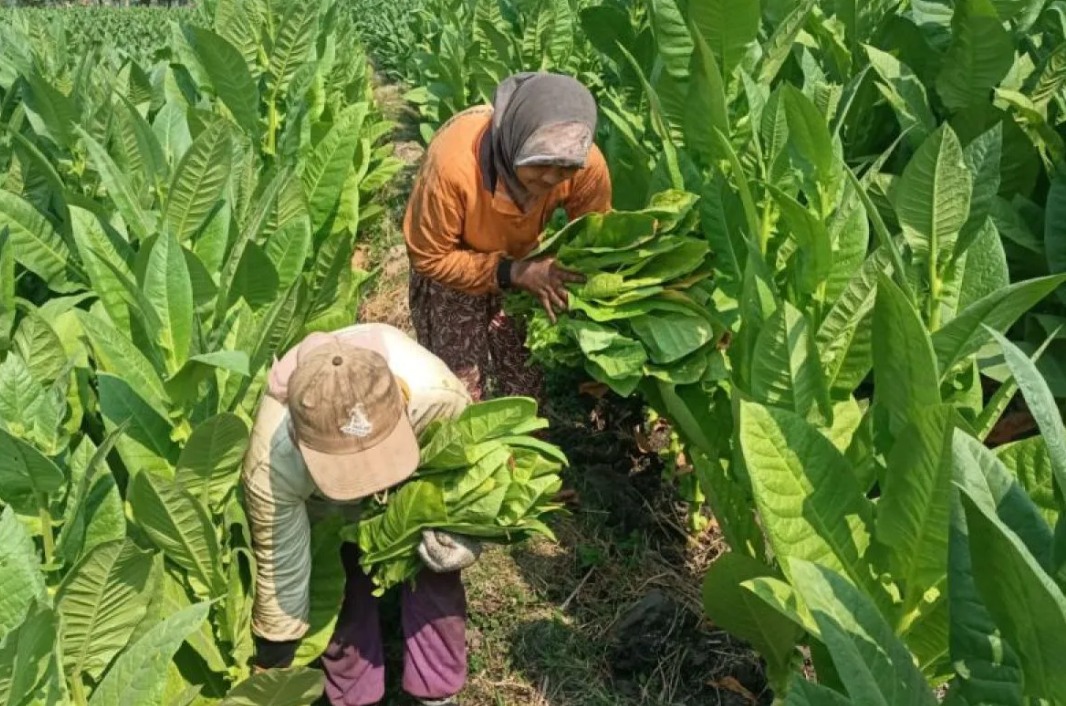
Legislators have urged the government to exercise caution in drafting regulations on nicotine and tar limits, stressing the need to consider the direct impact on the tobacco industry and the livelihoods of tobacco farmers across regions. Beyond nicotine and tar caps, the sector faces pressure from other regulations under Government Regulation No. 28 of 2024, including plain packaging proposals that infringe intellectual property rights and bans on additives that could disrupt production. Such measures are feared to undermine the industry’s ability to maintain employment and reduce its economic contribution.
Zainal Munasichin, a member of the House of Representatives’ Commission IX, said determining nicotine and tar limits requires robust data from comprehensive and comparative research. In-depth studies are necessary to accurately assess the impact, as stricter regulations would affect the cigarette industry’s economy and associated farmers.
Economic considerations, given the sector’s significant contribution to state revenue, cannot be overlooked. He reminded that tobacco excise revenue plays a crucial role in funding government programmes, including national health insurance through BPJS Kesehatan’s PBI scheme. “We want to see this done proportionally,” he said.
He stated that Commission IX, which handles health and labour issues, is in a dilemma as it must balance these two interests. However, he emphasised that policy formulation must consider potential worst-case impacts to avoid first.
“To determine which damage we must avoid the most, comprehensive and comparative research is needed. For instance, if nicotine and tar regulations are tightened for health reasons, we must first assess the impact on the cigarette industry and tobacco farmers. Only then can we decide,” Zainal said.
He added that being part of the commission collaborating with the Ministry of Health and Ministry of Labour necessitates promoting moderate policies to avoid extremes in either health or employment perspectives.
Latest data from the Ministry of Labour showed 15,425 workers were affected by job losses between January and April 2026. The same source reported 8,389 job losses in Indonesia from January to March 2026. The surge in March-April included workers enrolled in the Job Loss Insurance (JKP) programme. A middle-ground approach is based on prioritising national interests.
“Every policy implemented should consider all aspects holistically—health, economy, industry, employment dependency, and fiscal needs—simultaneously,” he added.
He said health factors are important, but nicotine and tar restrictions should be implemented gradually, considering the realities of the industry and tobacco farmers. The government is expected to first address challenges across the tobacco supply chain.
“So nicotine and tar policies, including cigarettes, must be phased. We must first resolve issues in the cigarette industry and among tobacco farmers. Is there a design for product diversification? If not, alternative industries will collapse. Therefore, when taking one-sided policies, we must consider the other side,” Zainal concluded.
APINDO also highlighted potential impacts on intellectual property rights, particularly regarding legally protected brand values.
The plain packaging rules are emerging just as farmers enter the dry season planting period, when tobacco is the sole reliable crop.
The National Tobacco Control Commission stated that cigarette spending drives poverty, as outlays exceed those on nutritious foods like eggs and milk.
The forum also warned the government of the risk of a shift to illegal products that do not meet standards and do not contribute to state revenue.
The discussion is part of efforts to formulate policy recommendations for the government.
Source: jawawa.id (https://jawawa.id/newsitem/legislators-stress-tobacco-rules-must-not-lead-to-increased-job-losses-1780057506)
Originally published by Media Indonesia (https://mediaindonesia.com/ekonomi/895057/legislator-tegaskan-aturan-sektor-tembakau-jangan-sampai-menciptakan-tambahan-angka-phk), translated from Indonesian