
Legislator warns new CHT layer could trigger market distortion
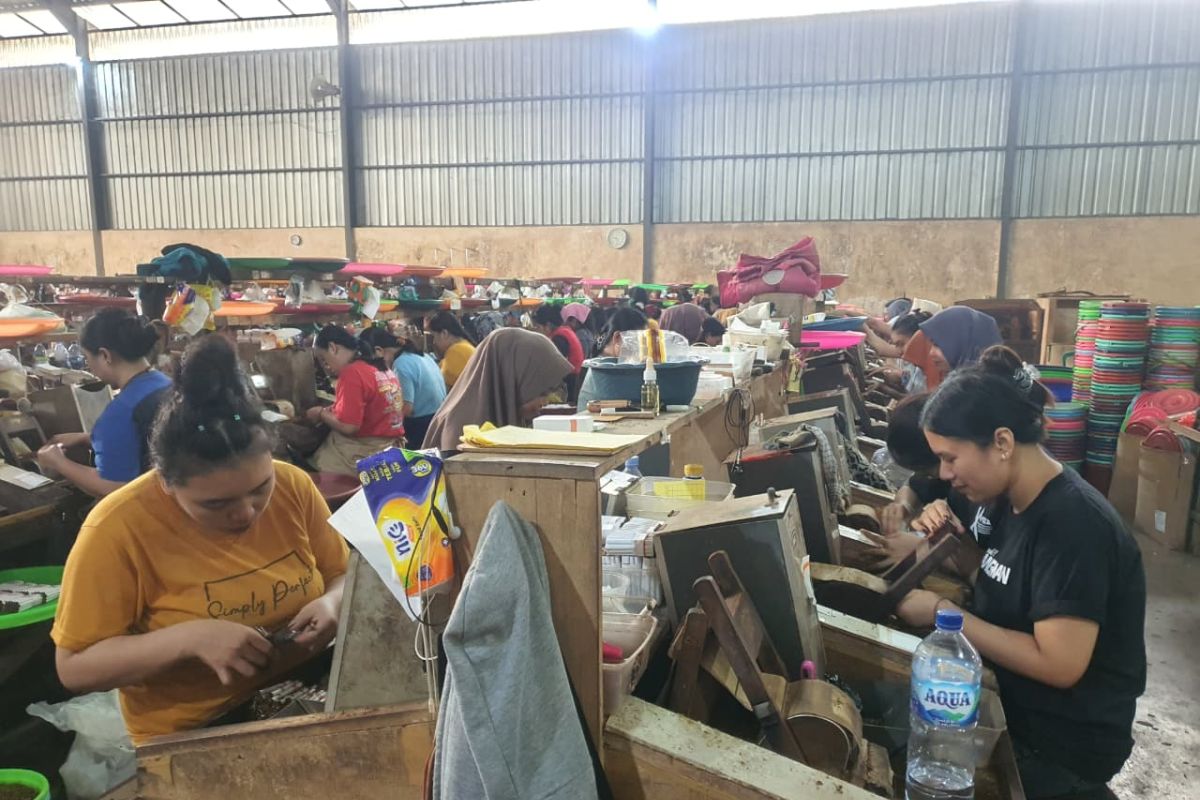
A member of House of Representatives Commission IX, Nurhadi, has warned that the discourse on adding a new layer or group within the tobacco products excise (CHT) structure to accommodate illegal cigarettes could potentially trigger market distortion. Furthermore, the policy is considered likely to complicate the tariff structure and even create room for moral hazard, contradicting the government’s policy direction which is currently emphasising certainty and economic stability. “Regarding the discourse on adding an excise layer for cigarettes that have been circulating illegally, in principle I see the government must be very careful so that the policy is not interpreted as a form of legalisation of illegal cigarettes,” said Nurhadi in his statement in Jakarta on Wednesday. In this context, he continued, the urgency of adding a new excise layer is worth questioning, because at a time when the government is trying to create certainty for business actors, this discourse actually opens up new options that could potentially disrupt the market structure. According to him, if the government’s goal is to pull illegal products into the state taxation and supervision system, the mechanism applied must be strict and not provide any room for impunity for violations that have occurred. “Do not let a moral hazard arise, as if illegal industry players just need to wait for a new policy and then automatically enter the official market,” he said. With the current 8 excise tariff layers, it is considered that many cigarettes are sold for under IDR 10,000, let alone by adding 1 more layer, which will cause cheap and unexcised/illegal cigarettes to proliferate further. Nurhadi said that amidst the pressure still faced by the tobacco industry sector, changes to the tariff structure are also feared to send a signal contrary to the spirit of stability being built by the government. When business actors need certainty to plan investments, production, and labour absorption, the emergence of a new group actually has the potential to create uncertainty regarding the future direction of excise policy. A focus on eradicating illegal cigarettes, strengthening supervision, and law enforcement is considered more aligned with the goal of maintaining economic stability and creating a healthy business climate. Conversely, adding a new layer risks creating market distortion and moral hazard which could ultimately hamper the government’s efforts to build a more orderly, competitive, and sustainable industry. Previously, Finance Minister Purbaya Yudhi Sadewa confirmed that tobacco products excise tariffs will not increase until 2027. The government chose to maintain tariffs to create stability, while strengthening supervision and eradicating the circulation of illegal cigarettes that have been disrupting the business climate and eroding state revenues. “I made it constant, no increase and no decrease. I want (economic) stability first,” said Purbaya in Jakarta on Wednesday (20/5).