
Legislator Says Oversight of Heavy Vehicles in Jakarta Remains Weak
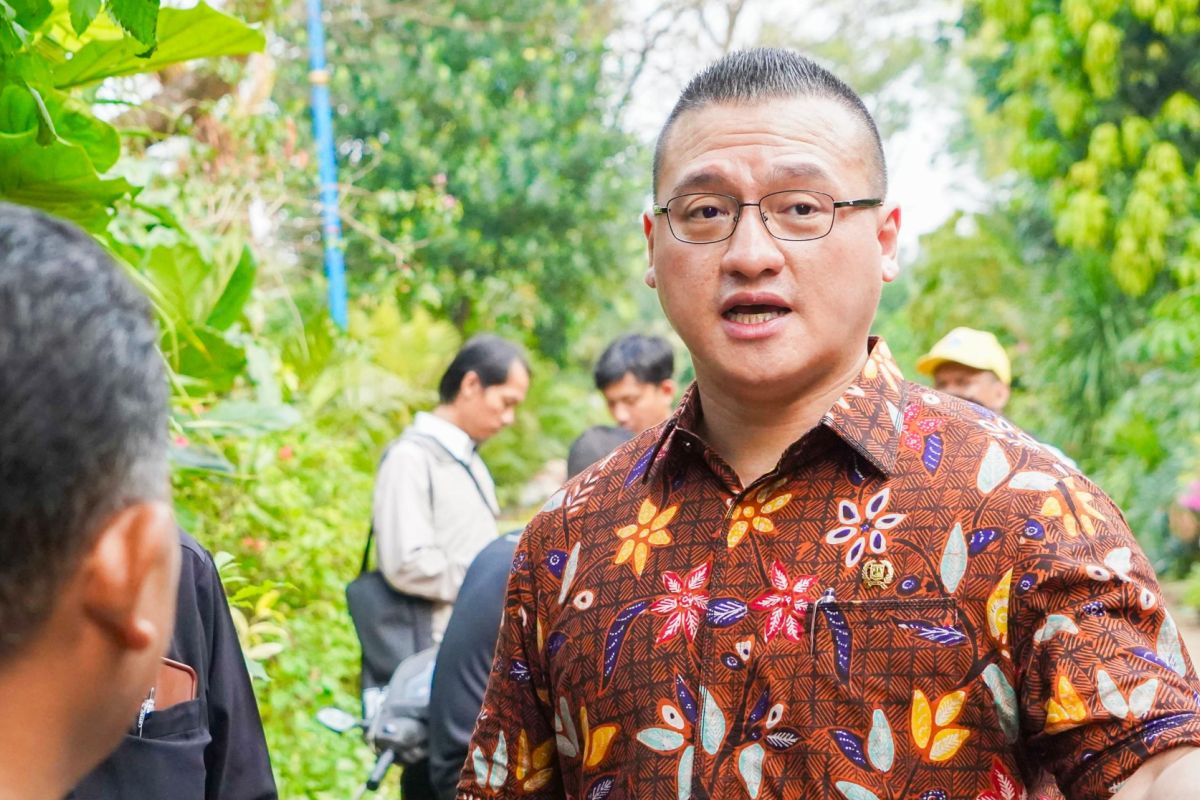
A member of the Jakarta Regional House of Representatives (DPRD), Hardiyanto Kenneth, has stated that oversight of heavy vehicles travelling through the capital remains weak, following an incident where a trailer carrying iron overturned on the Tomang Flyover at KM 13.400 in the Grogol area, West Jakarta, on Wednesday (24/6). “In that incident, the iron cargo was scattered and fell onto the arterial road below the flyover. This is evidence of the weak supervision of heavy transport vehicles operating in the capital,” Kenneth said on Thursday. He noted that the incident not only caused severe traffic congestion but also endangered the lives of road users and could have resulted in fatalities. He pointed out that the Jakarta Provincial Government has issued Governor Regulation Number 89 of 2020 concerning Traffic Restrictions for Freight Vehicles, but its implementation is often inconsistent. Kenneth urged Governor Pramono Anung to strictly enforce truck operating hours at night to prevent road damage, reduce congestion and traffic disruption, and lessen the negative impact on the environment. He believes trucks should ideally only be allowed to pass through Jakarta between 10 p.m. and 5 a.m. Western Indonesia Time. He stressed that the rules regarding operating hours and routes for freight vehicles were established for good reason, namely to maintain public safety and prevent congestion and accidents in high-traffic areas. Furthermore, he requested that the Jakarta Provincial Government, the Police, and the Transportation Agency conduct a thorough evaluation of the supervision system for heavy vehicles entering Jakarta. “Monitoring technology, Electronic Traffic Law Enforcement (ETLE) cameras, vehicle weighbridges, and transport document checks must be optimised so that non-compliant vehicles can be immediately penalised,” he asserted. He also urged a comprehensive investigation to uncover the exact cause of the accident, including the possibility of overloading, driver negligence, unroadworthy vehicle conditions, or route violations. One necessary step, according to Kenneth, is to strengthen the digital monitoring system for freight vehicles through data integration between the Transportation Agency, the Police, toll road operators, and port authorities. He recommended that all heavy transport vehicles entering the Jakarta area be registered in a GPS-based monitoring system, allowing their movements, travel routes, and compliance with operating hours to be monitored in real time. He also encouraged the construction and optimisation of buffer zones or parking pockets in Jakarta’s surrounding areas. These facilities could serve as waiting areas for trucks arriving early before their designated operating hours, thereby preventing the accumulation of heavy vehicles on the capital’s main roads.