
Legislator: Prosperity of Upstream Communities Key to Controlling Floods in Bandung
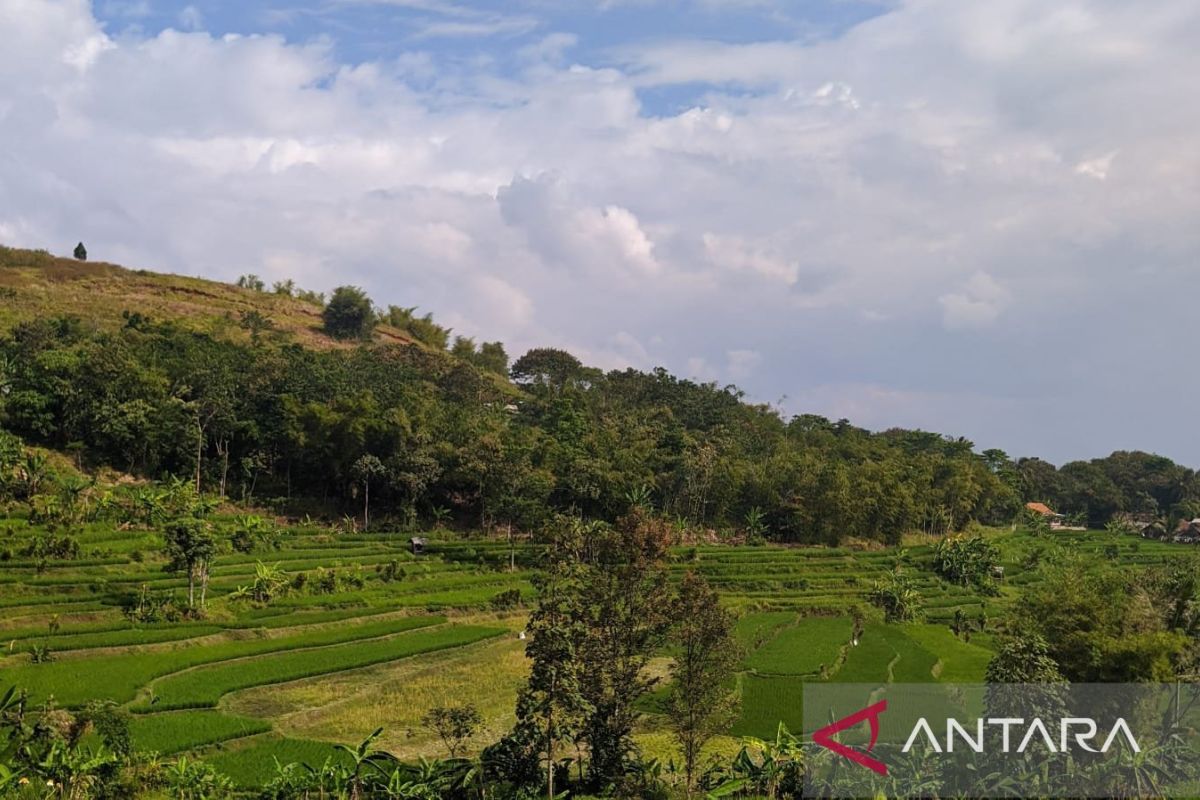
Bandung (ANTARA) - Chairman of Commission III of the West Java Provincial DPRD, Jajang Rohana, assesses that improving the welfare of communities in upstream areas must be part of the key strategy for flood control in the province.
Jajang states that flood issues cannot be resolved partially, as they are closely linked to the socio-economic conditions of upstream communities and their impacts on downstream areas.
“This requires collaboration between upstream and downstream residents. For downstream residents, rain becomes a disaster. Meanwhile, upstream people also need a livelihood, which is why they clear land,” he said in his statement in Bandung on Saturday.
He proposes contributions from downstream areas to support the welfare of upstream communities. “Therefore, there must be togetherness. So, those in the downstream areas must also contribute to the welfare of people in the upstream areas,” he added.
In line with this, the Bandung Regency Government states that changes in land use in upstream areas are one of the factors increasing flood risks in the region.
Head of the Bandung Regency Public Works and Spatial Planning Department, Zeis Zultaqawa, notes that in the last decade, 942.68 hectares of green land have been converted to buildings.
“This land use change is a serious concern because it directly affects the reduction of water infiltration areas and increases surface runoff,” he said.
In Cimenyan Subdistrict, the residential area has expanded by 584.90 hectares, coinciding with a reduction in agricultural land by 582.4 hectares.
Meanwhile, the West Java Provincial Government states it will carry out comprehensive area planning, including encouraging changes in community economic patterns to align with environmental conservation efforts.
West Java Governor Dedi Mulyadi explains that communities will be directed to shift to the hard crop sector, such as tea and coffee, which are considered more environmentally friendly than intensive vegetable farming.
“I have issued a provincial regulation to return the South Bandung area to a hard crop zone. Whether coffee, tea, or something else, it’s fine. How? The province is ready to allocate funds; it has already started now,” he said.
His side states that this step is expected to reduce flood risks through an approach that addresses community welfare and economic aspects in upstream areas.