
Legislator: Proposal to Increase KPU Membership to Nine
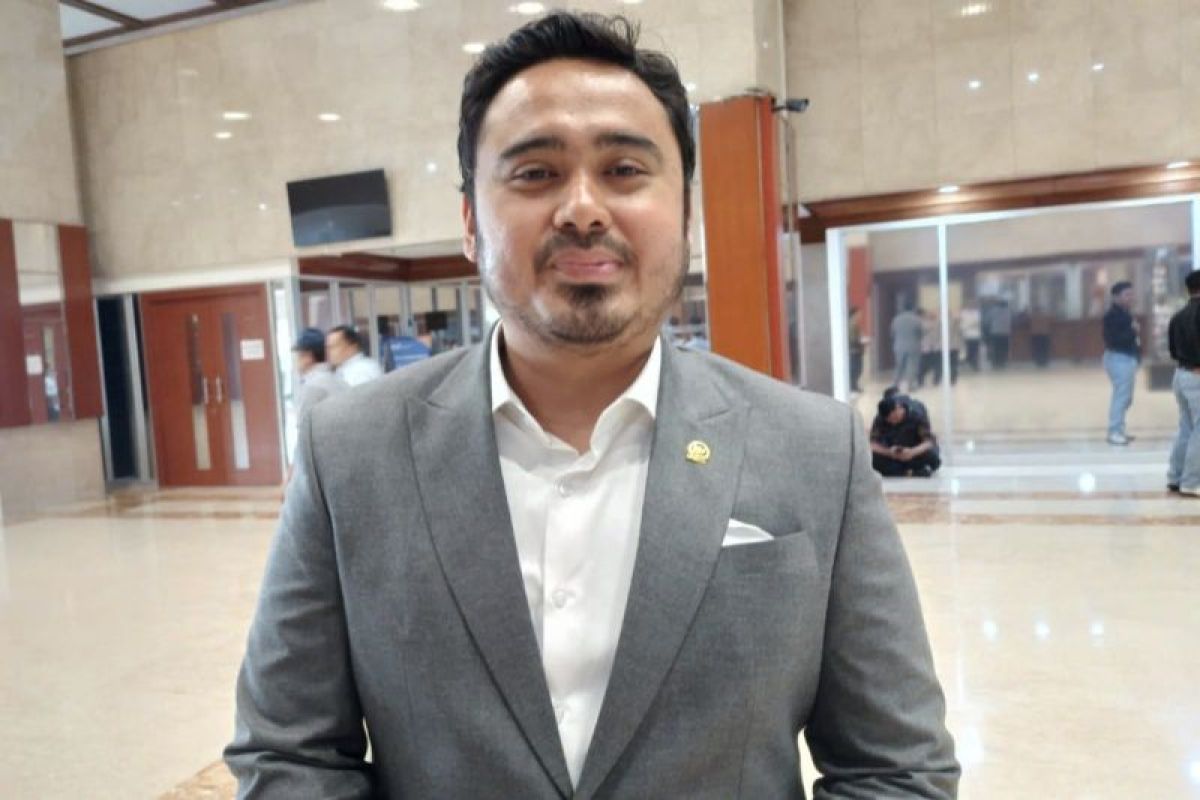
Jakarta (ANTARA) – Ahmad Irawan, a member of Commission II of the Indonesian House of Representatives, said the number of members of the General Elections Commission (KPU) has been proposed to increase to nine from the current seven.
Irawan said the proposal was part of an evaluation of the previous election and was planned for inclusion in a revision of Law No. 7 of 2017 on General Elections (the Elections Bill).
“The KPU only has seven members, which is not adequate, so we want to rationalise the number, although this will of course be based on an assessment of operational needs. The evaluation findings propose increasing the KPU’s membership from seven to nine,” he said, speaking by telephone from Jakarta on Friday.
The proposal to expand the KPU’s membership stems from an evaluation of the previous simultaneous elections. Seven members were considered insufficient to manage the entire electoral process, and the number therefore needed to increase.
The proposed expansion also takes into account election-management requirements and each member’s workload.
Irawan said the complexity of the election organisers’ duties was not confined to voting and counting, but also arose during the preparation stage. During this period, he said, KPU commissioners had to remain on standby both in regional offices and at the national level.
“During preparations, they sometimes have to deal with issues in the regions, while the office in Jakarta is left empty. There needs to be someone always on standby at the office. So this is really more about election-management arrangements,” he said.
The number of members of the national Election Supervisory Agency (Bawaslu) is also planned to increase, from five to either seven or nine.
However, Irawan stressed that the proposals remain at the stage of an academic paper and a draft Elections Bill. Discussions are still evolving, and the bill’s working committee will examine the proposals with various parties, including state institutions and academics.
“We need to obtain public input on these matters as part of meaningful participation,” he said.