
Legislator: Indigenous Peoples' Bill Must Provide Real Protection, Not Mere Formality
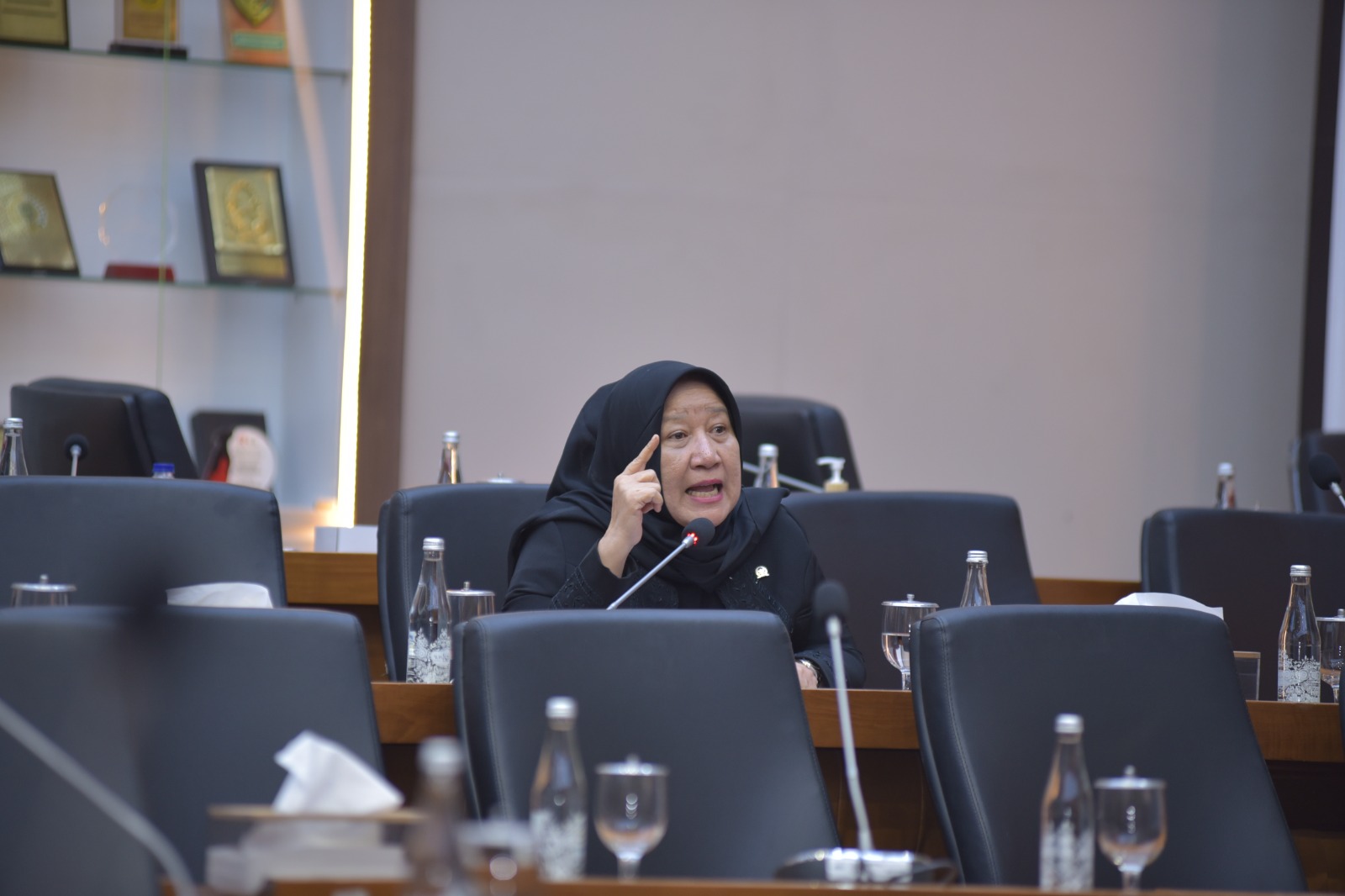
A member of the House of Representatives Legislative Body (Baleg) from the PDI Perjuangan faction, Siti Aisyah, has emphasised the commitment of the House of Representatives to guide the discussion of the Indigenous Legal Communities Bill (RUU Masyarakat Hukum Adat) so that it does not stop at the normative level alone. Aisyah appreciated the presence of various parties who have provided input on the bill. She stated that all factions basically already have an agreement on the direction of the discussion, so the next stage needs to focus on deepening the substance of the law. “All factions have agreed today. Now we are entering the points of the law, so we need to deepen them,” she said, quoted on Monday (6/4). The legislator from the Riau I electoral district also encouraged continued direct communication with various related parties, so that every input can be discussed more deeply, not just as a formality. Furthermore, Siti Aisyah emphasised that the existence of indigenous legal communities is the main foundation of the establishment of the Unitary Republic of Indonesia. She reminded that Indonesia was formed from diverse indigenous communities, each with their own identity and local wisdom. “This country was formed from a combination of indigenous communities. Without indigenous communities, Indonesia would not exist,” she asserted. She also linked the importance of protecting indigenous communities with the basic values of the state, namely Pancasila and the spirit of Bhinneka Tunggal Ika, which upholds diversity. According to her, the state’s failure to protect indigenous communities has the potential to cause serious impacts, even threatening the nation’s existence. She exemplified the condition of indigenous communities in several other countries that have experienced marginalisation. “We could be like the Indian tribes in America or the Aborigines in Australia who are displaced if not protected,” she said. Therefore, she emphasised the need for strong and implementable regulations to ensure the rights of indigenous communities remain protected. Siti Aisyah also highlighted the important role of local governments in the process of recognising indigenous communities. She questioned views that limit such recognition only through certain administrative mechanisms without involving Regional Regulations (Perda). According to her, local governments are the parties that best understand the existence of indigenous communities in their areas, including social structures, cultures, and indigenous leadership systems such as nini mamak. “Perda is the instrument in the regions that best knows whether indigenous communities exist or not. So it needs to be clarified,” she said. She emphasised that indigenous communities should not be viewed solely from an administrative aspect, but must also encompass the existence of communities, customs, culture, and indigenous leadership. In closing her statement, Siti Aisyah emphasised that the Indigenous Legal Communities Bill must be able to provide real protection, not just formal recognition on paper. She hopes that the discussion in the Baleg of the House of Representatives can produce regulations that truly side with the sustainability of indigenous communities in Indonesia. “If indigenous communities disappear, Indonesia will also lose its identity,” she concluded.