
Legislator: Constitutional Court ruling on regional elections a momentum to build democratic design
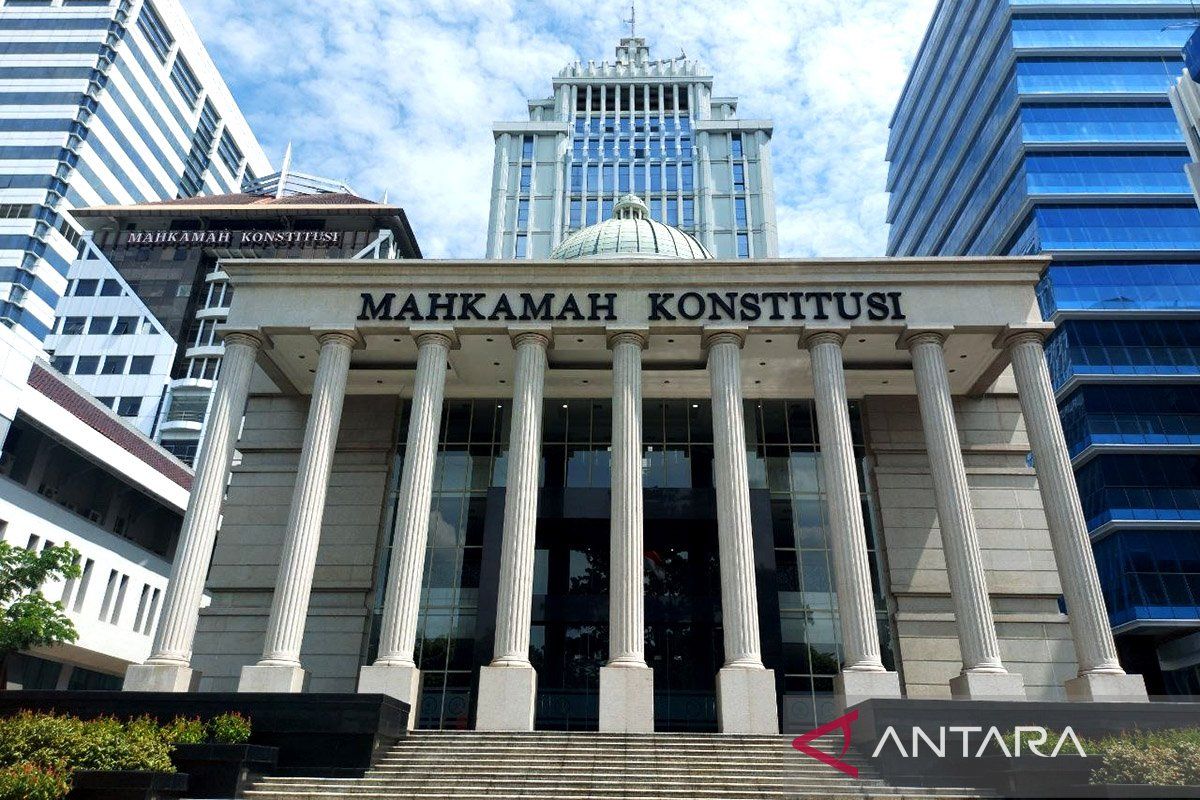
In a state of law, the Constitutional Court’s ruling must serve as a reference for all state administrators. House of Representatives Commission II member Eko Widodo said the Constitutional Court’s decision that regional head elections remain directly conducted by the people is a momentum to build a democratic design. In a statement received in Jakarta on Wednesday, Edo, as he is familiarly known, said Indonesia’s democratic design needs to be built more maturely, with integrity, rational costs, adaptability, and the capacity to produce the best regional leaders. “This Constitutional Court ruling is an important lesson that Indonesian democracy must continue to improve. The most important thing is no longer debating the method of electing regional heads, but ensuring clean regional governance, quality public services, and development whose benefits are increasingly felt by the community,” he said. “In a state of law, the Constitutional Court’s ruling must be a reference for all state administrators. However, respecting the ruling does not mean stopping efforts to continuously perfect the quality of democracy,” he added. He said the discourse on returning the regional election mechanism to the Regional Legislative Councils should not be viewed as an anti-democratic idea. The idea, he said, was born from constitutional and academic studies, as well as empirical experience. “This discourse emerged as a response to high political costs, rampant money politics, societal polarisation, and the many regional heads entangled in corruption cases. Therefore, the debate is part of the effort to find the best democratic design for Indonesia,” he said. Nevertheless, with the Constitutional Court’s ruling, Edo believes the debate over the regional head election mechanism should be concluded. He also said the ruling must be a momentum to accelerate the comprehensive revision of the Election Law and the Regional Election Law. Previously, the Constitutional Court declared the judicial review petition of Article 1 point 1 of Law Number 8 of 2015 concerning the Election of Governors, Regents, and Mayors inadmissible. The article stipulates that regional head elections are the exercise of the people’s sovereignty in provincial and regency/city areas to elect governors and deputy governors, regents and deputy regents, as well as mayors and deputy mayors directly and democratically. In their petition, four students named Vendy Setiawan, Lala Komalawati, Susi Lestari, and Afifah Nabila Putri questioned the phrase ‘directly’ in the said article. In its considerations, the Court found no actual or potential constitutional rights loss as argued by the petitioners. According to the Court, the petitioners’ concerns about possible future legal policy changes, political discourse, and academic anxiety were not a direct result of the enforcement of Article 1 point 1 of the Regional Election Law. This is because, the Court stated, until now regional elections are still conducted directly by the people. “The mechanism for electing regional heads to date is carried out directly by the people guided by the general election principles that apply generally while still recognising and respecting special or specific regional government units,” the Court considered.