
Legislator assesses strengthening of industry to protect job absorption
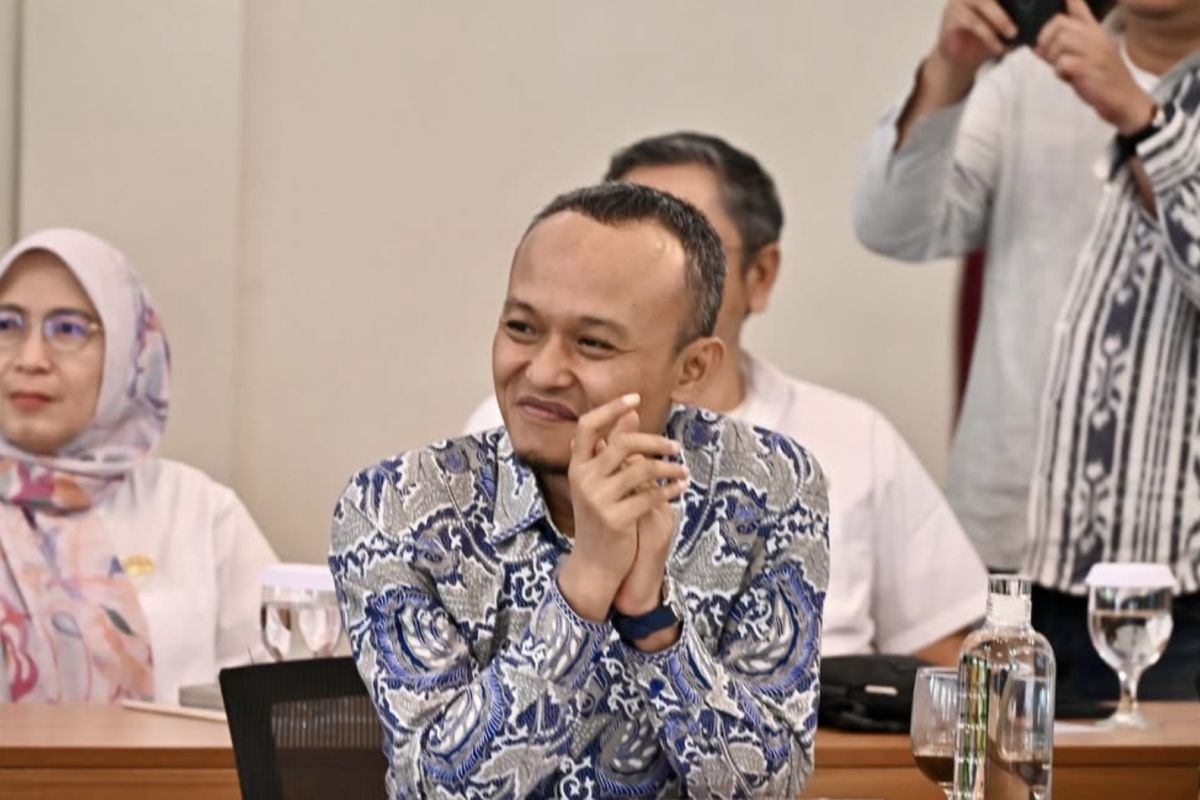
We must not wait until the second wave of layoffs truly occurs. The state must act more swiftly with concrete steps to save labour-intensive industries. Jakarta (ANTARA) - Member of the Indonesian House of Representatives Commission VII, Kaisar Abu Hanifah, considers the strengthening of the national industry to be very important as one of the efforts to protect job absorption and prevent layoffs amid various current global challenges. “The domestic industry must be protected and strengthened so that it can sustainably absorb labour,” said Kaisar in his statement in Jakarta on Monday. This, he continued, follows reports of a wave of layoffs in the manufacturing sector in the first quarter of 2026, which has reached 8,389 workers. Based on data from the Ministry of Manpower (Kemnaker), West Java is the region with the highest number of layoffs, namely 1,721 workers or about 20.51 percent of the total cases. He assessed that global pressures triggering industrial slowdowns must be responded to with adaptive and proactive national policies. In addition, Kaisar also reminded that Indonesia’s high youth unemployment rate, which has reached 17 percent, could become a serious threat if the manufacturing sector is not strengthened soon. “Without a strong manufacturing base, the demographic bonus could instead turn into a social burden. This is an alarm for all of us,” said Kaisar. That policy package, he continued, includes emergency fiscal incentives, more competitive energy policies for industry, and a roadmap for protecting the domestic industry from global geopolitical pressures. On the other hand, Kaisar also reminded that the implementation of new regulations, such as Minister of Industry Regulation Number 2 of 2026 on the environmental governance of industrial zones, should not become an additional burden for business actors, but rather an instrument to increase sustainable competitiveness. As a partner to the government, Commission VII of the Indonesian House of Representatives, which covers Industry, SMEs, Creative Economy, Tourism and Publication Facilities, will continue to oversee national industrial policies to ensure they remain supportive of business sustainability and labour protection.