
Legislator Asks BMKG to Stop Using 'Computer Language': The Public Doesn't Understand
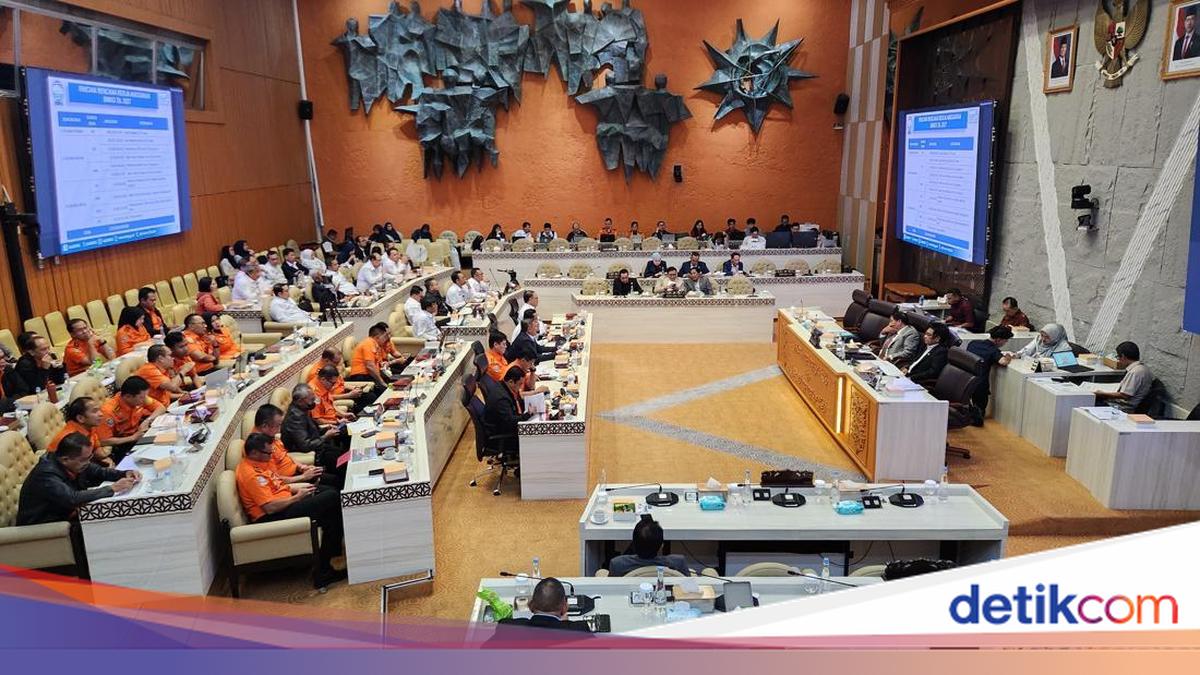
Commission V of the House of Representatives (DPR RI) held a hearing with the BMKG. On that occasion, PAN legislator from Commission V, Boyman Harun, asked the BMKG to avoid using difficult language when conveying disaster-related information to the public.
The hearing took place at Commission V of the DPR RI together with the BMKG Secretariat-General and the National Search and Rescue Agency (Basarnas) on Tuesday (8/9/2026). Boyman began by touching on the functions and duties of the BMKG, which he said had not been maximised.
“What I want to convey to the BMKG is that, in my view, its functions and duties have not been maximised — not optimal, but maximised,” said Boyman.
The BMKG was asked to synergise with other agencies on disaster matters. Boyman cited forest and land fires (karhutla) as an example, where the BMKG should be able to provide information that could be used for mitigation.
“So do not merely announce, for instance, that this month will be the dry season, or that in such-and-such month the rainy season will arrive. What I mean is there is no anticipation,” he said.
“Because in my view, first, the BMKG has not been telling the public which areas will be affected by these disaster problems. The location must be given precisely, not in general terms,” he added.
Boyman then turned to the BMKG’s use of difficult language in conveying information. The agency was asked to use language that is easy for the public to understand.
“I also ask that when providing information to the public, you do not need to use BMKG jargon or that language printed out from a computer. Not all members of the public understand it — you should use our own language, language that is easy to understand, so that people know what is going to happen,” he said.
Furthermore, Boyman also asked the BMKG to provide timely and location-specific information. In addition, there should be information about the actions that the public and relevant agencies ought to take.
“So it should not be information alone — it must be clear and precise about the location, then what steps will be taken, and what consequences the disaster will bring. So far, we have not received anything that is complete in that sense,” he explained.