
Legislation over Prabowo’s Two Years in Office Strengthens Citizens’ Rights, Including Domestic Workers’
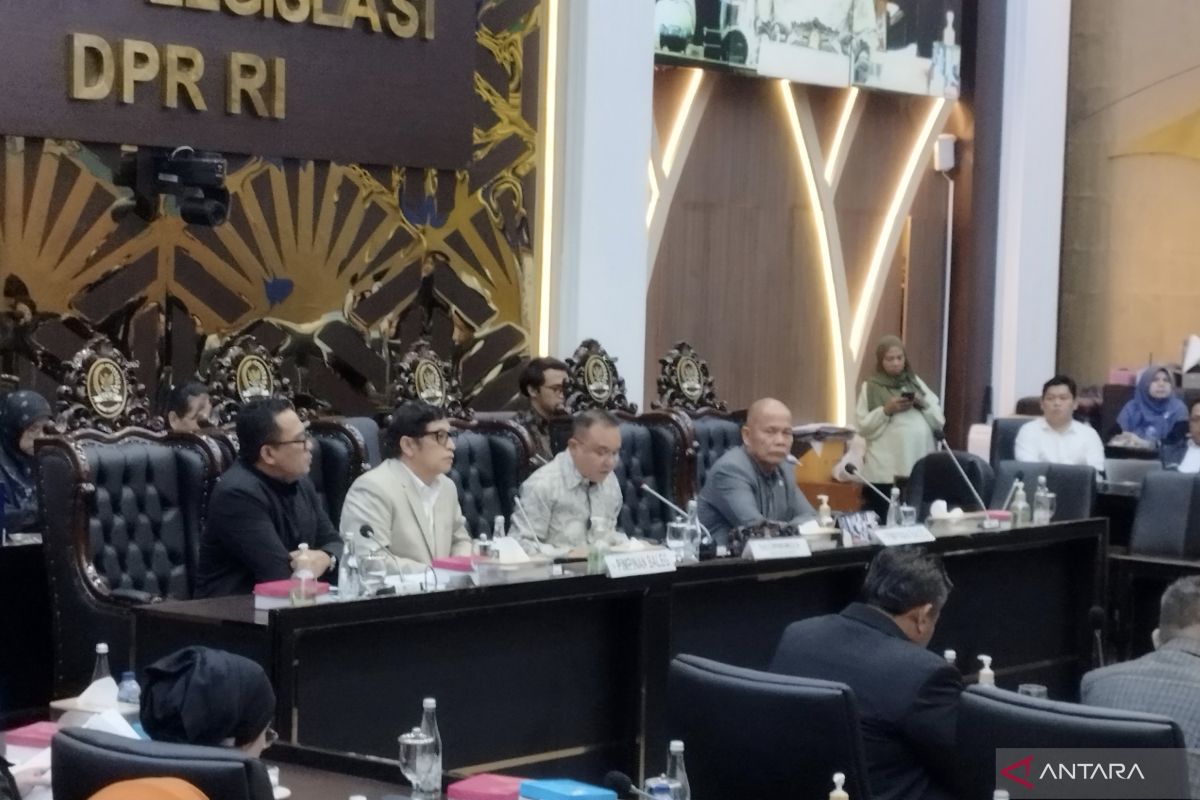
Jakarta (ANTARA) – Two years have passed since lawmakers serving in the 2024–2029 term began carrying out their duties in Senayan, amid public demands for legislation that could improve people’s circumstances and social conditions.
Members of the House of Representatives (DPR RI) were sworn in and began their terms on 1 October 2024, about seven and a half months after the 2024 general election. Meanwhile, the president and vice-president elected in that election, Prabowo Subianto and Gibran Rakabuming Raka, have also spent two years in office since their inauguration on 20 October 2024.
During those two years, the DPR passed a number of bills into law. Around a dozen laws were approved following deliberations in various parliamentary commissions.
Among them were several strategic laws, significant measures and pieces of legislation that drew public attention. These included the Criminal Procedure Code (KUHAP), the Indonesian National Armed Forces (TNI) Law, the Domestic Workers Protection Law (PPRT), the Agrarian Reform Regulation Law, and, most recently, the Employment Protection Law.
The passage of these laws through the DPR was accompanied by various debates and challenges.
Criminal Procedure Code
The bill to amend Law No. 8 of 1981 on the Criminal Procedure Code had been included in the DPR’s National Legislation Programme (Prolegnas) for a long time. Its academic paper had even begun to be prepared during the 2004–2009 parliamentary term.
However, the bill repeatedly encountered obstacles in the DPR, and the changes to criminal procedure rules remained unfinished in subsequent parliamentary terms.
For the 2024–2026 period, the Criminal Procedure Code bill was officially included in the 2025 Priority National Legislation Programme. It needed to be expedited because the new Criminal Code (KUHP) was due to take effect in 2026.
In substance, the new Criminal Procedure Code revises the principles of the previous code, a regulation inherited from the Dutch colonial era, by strengthening the rights of members of the public who come into contact with the law.
This strengthening of rights is also in line with President Prabowo Subianto’s Astacita agenda, which calls for stronger legal reform and democracy, as well as efforts to combat corruption.
The rights strengthened under the new code include access to information and legal assistance. Article 34(1) requires authorities to provide information to people facing legal proceedings to clarify the investigation process.
Articles 53 and 153 also require protection for people facing legal proceedings, and provide for legal assistance or access to a lawyer even when they are still witnesses.
The Criminal Procedure Code was finally passed on 18 November 2025, about a month and a half before it was due to take effect in 2026. In principle, the law marks a turning point in strengthening people’s rights in their dealings with the law, amid criticism that the state held excessive power under the previous code.
TNI Law
Source: jawawa.id (https://jawawa.id/newsitem/legislation-over-prabowos-two-years-in-office-strengthens-citizens-rights-including-domestic-workers-1792403566)
Originally published by Antara (Indonesian) (https://www.antaranews.com/berita/5796641/penguatan-hak-warga-hingga-art-lewat-legislasi-dalam-2-tahun-prabowo), translated from Indonesian