
Legal Rules on LGBT in Indonesia: Can It Be Criminalised?
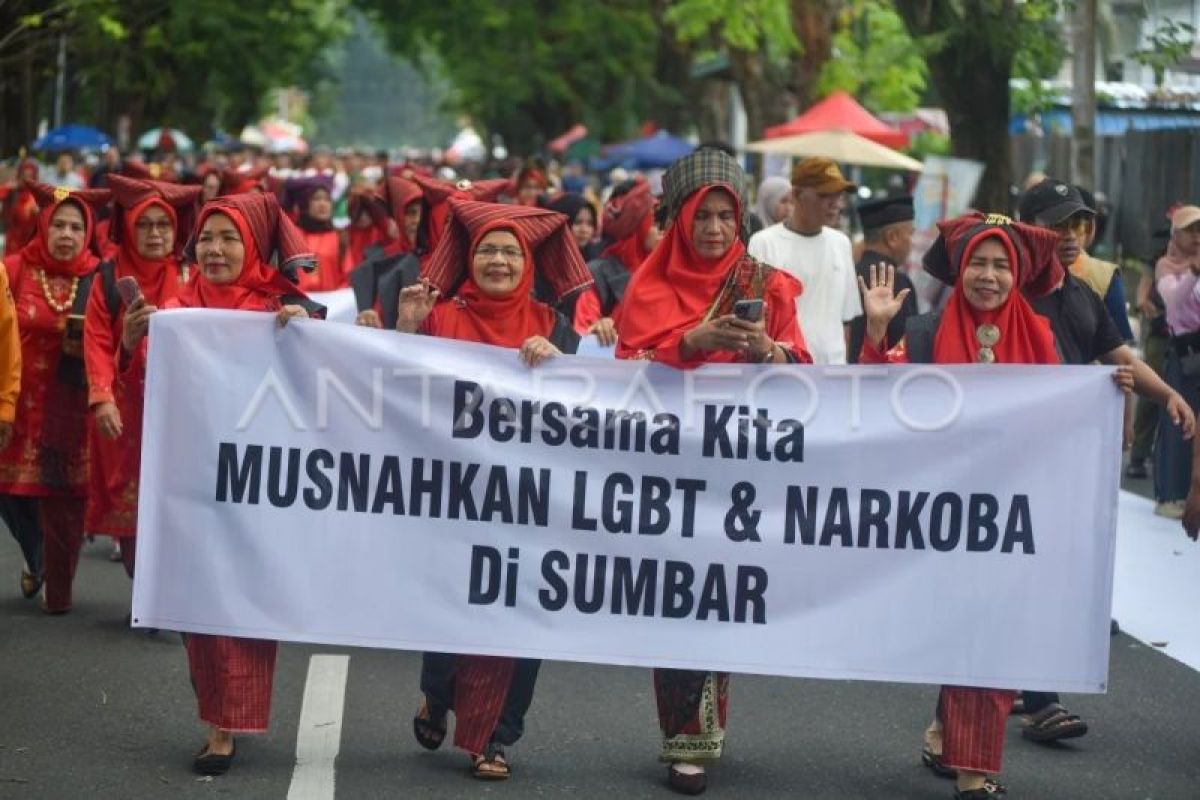
The legal rules regarding LGBT in Indonesia have once again drawn public attention amidst ongoing debates on the issue. Under the prevailing laws and regulations, a person’s sexual orientation is fundamentally not a criminal act. However, certain acts related to sexual activity can be subject to criminal sanctions if they meet the elements of a criminal offence as stipulated in the Criminal Code (KUHP) or other laws and regulations. The recently enacted Law Number 1 of 2023 concerning the Criminal Code, which will come into effect on 2 January 2026, does not contain provisions that criminalise a person solely for having a lesbian, gay, bisexual, or transgender (LGBT) orientation. Thus, a person’s identity or sexual orientation is not a criminal offence under Indonesian criminal law. Nevertheless, the Criminal Code still regulates sanctions for certain acts if they fulfil the elements of a criminal offence as stipulated in the relevant articles. This means that the object of criminalisation is the act, not the person’s sexual orientation. This principle is in line with Article 1 paragraph (1) of Law Number 1 of 2023 concerning the Criminal Code, which affirms that no act can be punished except based on the criminal provisions in laws and regulations that existed before the act was committed, known as the legality principle. The Criminal Code does regulate several decency offences that apply to everyone regardless of sexual orientation. For instance, Article 411 regulates the crime of adultery with a maximum penalty of one year’s imprisonment or a category II fine. However, this provision is an absolute complaint offence, meaning legal proceedings can only be initiated upon a complaint from the husband or wife for those who are married, or from the parents or children for those who are unmarried. Furthermore, Article 412 regulates cohabitation, or living together as husband and wife outside of marriage. This provision is also a complaint offence, carrying a maximum penalty of six months’ imprisonment or a category II fine. This article is not specifically targeted at the LGBT community but applies according to the criminal elements defined in the law. An exception exists in the Province of Aceh, which holds special autonomy. Through Qanun Aceh Number 6 of 2014 concerning Jinayat Law, same-sex sexual relations are regulated as a specific offence subject to punishment under Aceh’s jurisdiction. This provision does not apply nationally but is limited to the Aceh region due to its special status. Therefore, under the national criminal law applicable in Indonesia, a person cannot be punished solely for being LGBT. Criminalisation can only occur if a person commits an act that fulfils the elements of a criminal offence as regulated in Law Number 1 of 2023 concerning the Criminal Code, Law Number 12 of 2022 concerning Sexual Violence Crimes, or other applicable laws and regulations.