
Legal Expert Highlights Human Trafficking Disguised as Legal Relationships, Calls for Stronger Regulations
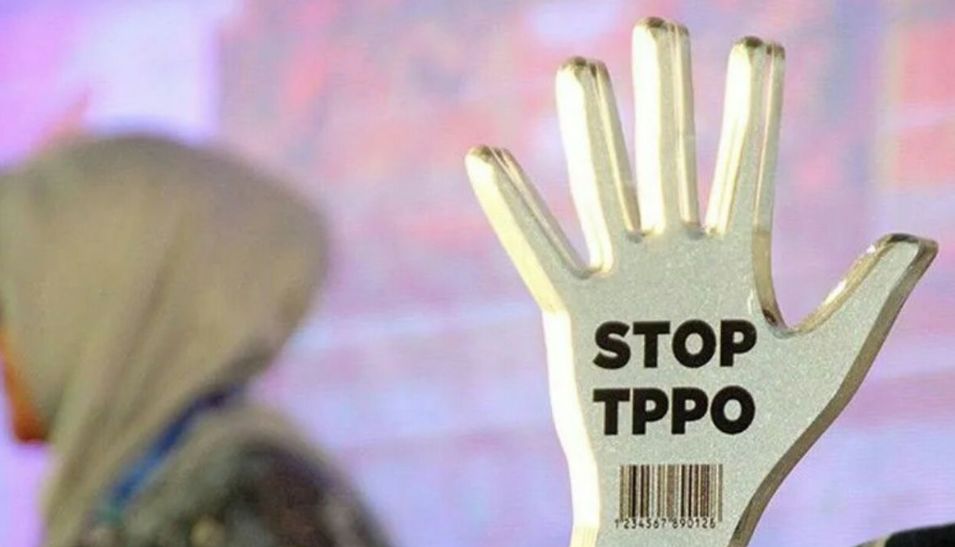
Abdul Fickar Hadjar, a criminal law expert at Trisakti University, has warned that perpetrators of human trafficking (TPPO) are increasingly exploiting apparently legitimate legal relationships to disguise their criminal activities.
Fickar explained that traffickers no longer rely solely on illegal recruitment, but also make use of schemes that appear to have a legal basis, making them difficult to recognise as criminal acts.
“There are many modus operandi used in human trafficking, but the most dangerous are those that seem to have a strong legal basis. As a result, relationships that appear normal and lawful actually become instruments that benefit the traffickers,” Fickar told Media Indonesia on Tuesday (4/8).
According to him, before regulations are adjusted to address these new methods, particularly those exploiting digital platforms, law enforcement authorities can still use the Electronic Information and Transactions Law (UU ITE) alongside the TPPO Law to prosecute perpetrators.
He cited several legal loopholes frequently exploited by traffickers, including travel disguised as tourism, personal agreements, and even scholarship offers for further study.
“Methods such as travel under the guise of tourism, personal agreements, and even the provision of study scholarships are often exploited as entry points for human trafficking practices,” he said.
Fickar believes regulatory reform should be directed at strengthening the state’s responsibility to protect Indonesian citizens (WNI), especially those abroad who are vulnerable to becoming victims of trafficking.
In addition, he stressed the need to strengthen criminal accountability for digital platforms, particularly social media, which are frequently used as a means of recruiting victims.
“What needs to be strengthened is the state’s accountability in providing protection to Indonesian citizens, especially those overseas. On the other hand, criminal accountability for digital platforms, particularly social media exploited in trafficking practices, must also be clarified,” he asserted.
Furthermore, Fickar argued that both the state and corporations should bear greater responsibility for restoring victims’ rights, particularly from an economic standpoint.
“The state and corporations must take stronger responsibility for the recovery of victims’ rights, especially from an economic perspective, so that victims receive adequate rehabilitation and compensation,” he concluded.