
Lebanon Discusses Military Role After Framework Agreement with Israel
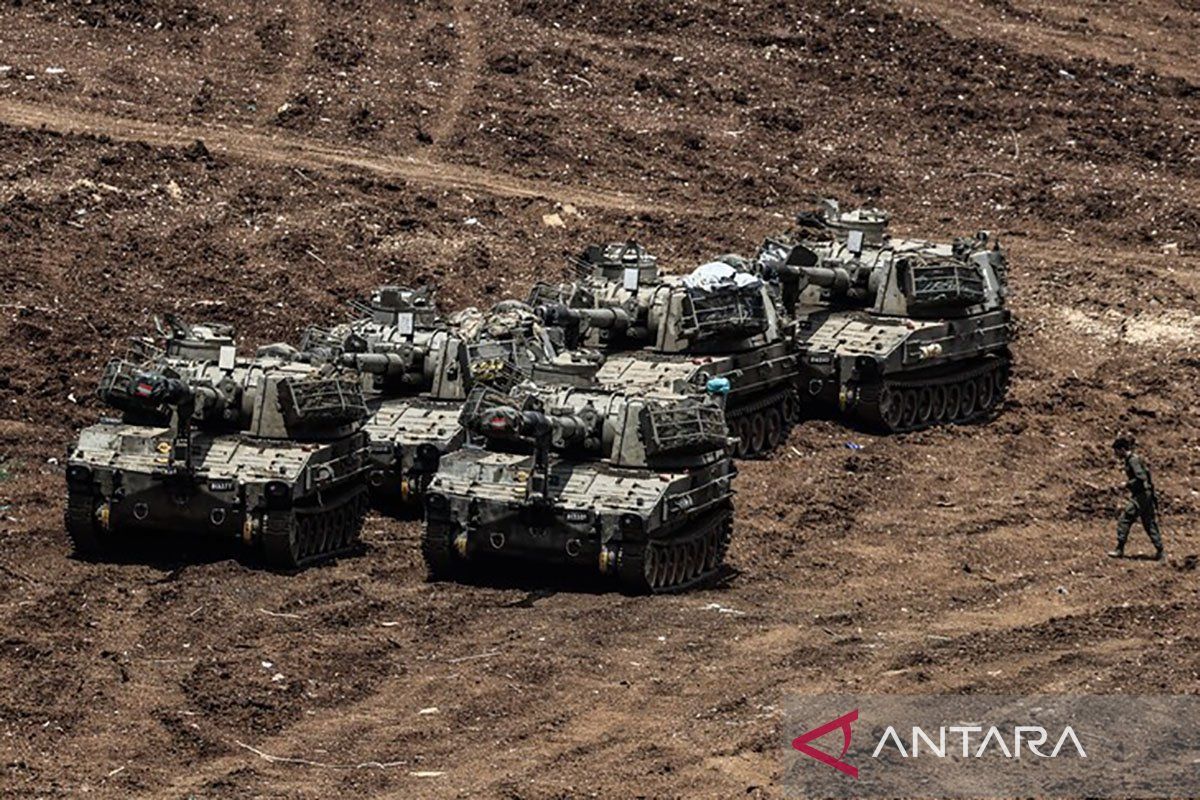
Lebanese President Joseph Aoun on Tuesday discussed the future responsibilities of the Lebanese Army with Army Commander Rodolphe Haykal, following a US-mediated framework agreement between Lebanon and Israel to end the war.
In a statement, the Lebanese Presidency said Aoun received Haykal and was briefed on the results of the army commander’s visit to Turkey and the United Kingdom, which focused on military cooperation. The two also reviewed the security situation in Lebanon and discussed the army’s duties after the outcome of the Lebanon-US-Israel negotiations and the framework agreement to end the war in Lebanon.
On Friday, Lebanon and Israel signed the US-mediated framework agreement, which stipulates a phased withdrawal of Israeli forces from all occupied Lebanese territories, beginning with two undisclosed ‘pilot areas’. The agreement does not set a timetable for the Israeli withdrawal but links it to the Lebanese Army assuming full security responsibility and disarming armed groups, particularly Hezbollah.
Hezbollah has rejected the agreement, calling it ‘shameful’ and declaring it ‘illegitimate and invalid’, arguing that linking the Israeli withdrawal to its own disarmament crosses a ‘red line’.
President Aoun praised the army’s leadership, officers, and personnel for their role in expanding state authority, maintaining security and stability, and securing the Lebanese border. He stated that ‘campaigns of doubt and defamation’ targeting the military institution and its leaders would not affect the army’s national performance, which remains committed to implementing the decisions of the political authority, nor would they undermine the government’s and the Lebanese people’s confidence in the military.
Since 2 March, Israeli military aggression in Lebanon has killed 4,257 people and wounded 12,196 others, forcing more than one million to flee, according to the Lebanese Health Ministry. Israel continues to occupy several areas in southern Lebanon, some held for decades and others seized during the 2023-2024 war, and has expanded ground operations more than 10 kilometres into Lebanese territory. Israel also occupies Palestinian territories and parts of Syria, and continues to reject withdrawing from these areas or supporting the establishment of an independent Palestinian state in accordance with United Nations resolutions.