
Lebak Surplus 240 Thousand Tonnes of Rice, Supplies Jabotabek
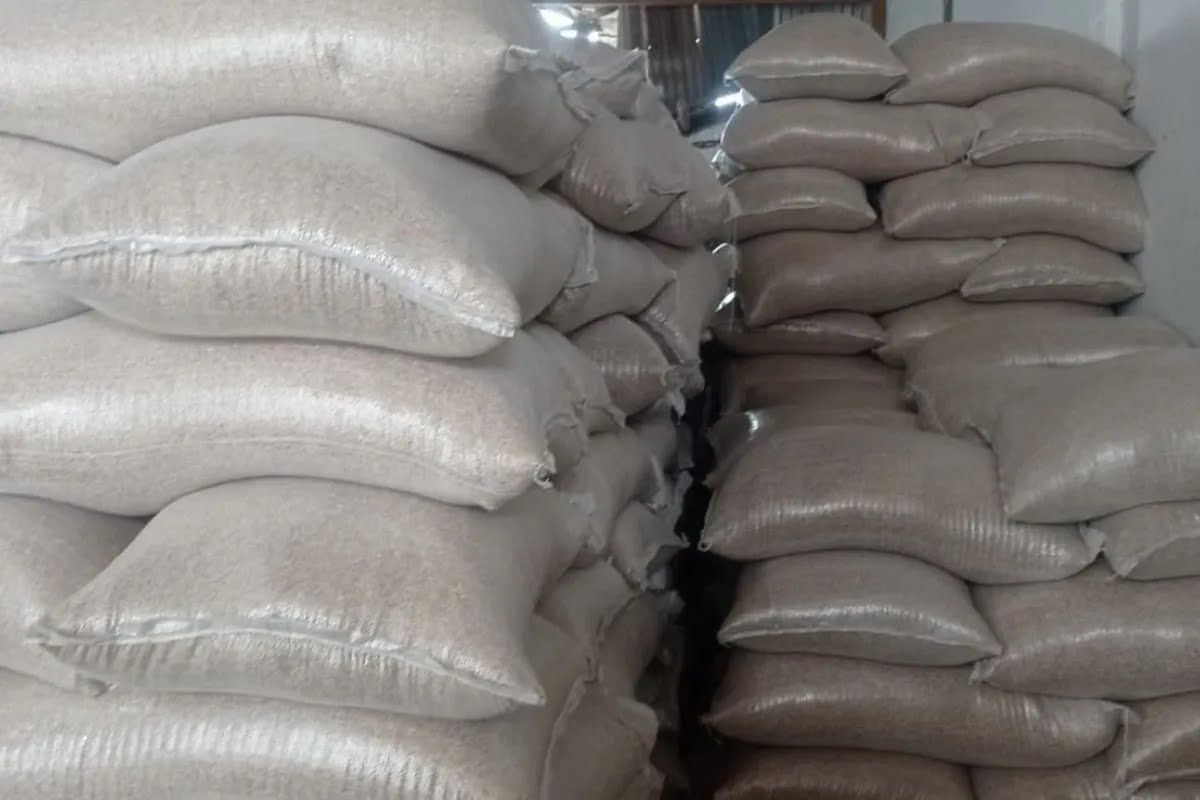
Lebak Regency, Banten Province, continues to strengthen its role as a national food buffer zone, with its rice production not only meeting local demand but also supplying various areas in the Jakarta, Bogor, Tangerang, and Bekasi (Jabotabek) region. Rahmat Yuniar, Head of the Lebak Regency Agriculture Office, stated that farmers in the area are able to support national rice production through a twice-yearly planting pattern. “We encourage farmers to immediately replant after the harvest season to ensure the sustainability of food production,” Rahmat said in Lebak on Sunday. The Lebak Regency Government appreciates the hard work of farmers, which has placed the region in the category of a food barn for Banten Province. Lebak’s rice production has also been supplied to various areas outside its territory, primarily to meet the needs of the Jabotabek community. Farmers in Lebak Regency manage paddy fields with a total additional planting area (LTT) reaching 100,000 hectares per year and apply a cropping index (IP) of two plantings annually. According to a report from the Ministry of Agriculture, Lebak Regency, along with Serang Regency, is among the top 10 national rice-supplying districts for the Jabotabek area. “We are pushing for food production in Lebak to continue increasing, and it is proven that in 2025, there were 725,813 tonnes of harvested dry paddy (GKP), which when converted to rice amounts to 380,000 tonnes,” he said. According to Rahmat, the rice consumption needs of Lebak Regency’s population of approximately 1.4 million people reach 140,000 tonnes per year. With total rice production reaching 380,000 tonnes, the region has a surplus of around 240,000 tonnes that can contribute to meeting national food needs. He added that the paddy sector remains the main source of income for farmers compared to horticultural commodities or secondary crops. The largest rice production in Lebak Regency comes from the southern region, including the districts of Malingping, Wanasalam, Banjarsari, and Bayah. From an economic perspective, paddy farming is still considered promising. The investment value of paddy farming reaches around Rp10 million per hectare, with an average harvested paddy productivity of five tonnes per hectare. “If the price of harvested paddy is Rp6,500/kg with a productivity of 5 tonnes, it can generate an income of Rp32,500,000 per hectare,” he said. Ruhiana, Chair of the Sukabungah Farmers Group Association in Lebak Regency, said that paddy farming still provides good profits for farmers, especially because the harvest can be absorbed by Bulog at a price of Rp6,500 per kilogram for harvested paddy. According to him, the cost of managing paddy farming is around Rp10 million per hectare, with an average productivity of five tonnes of dry paddy. “We sell four tonnes of dry paddy at a price of Rp6,500 per kg, generating an economic income of Rp26 million, while one tonne is kept as a family food reserve,” he said.