
Learning Tolerance from the Teluknaga Wound
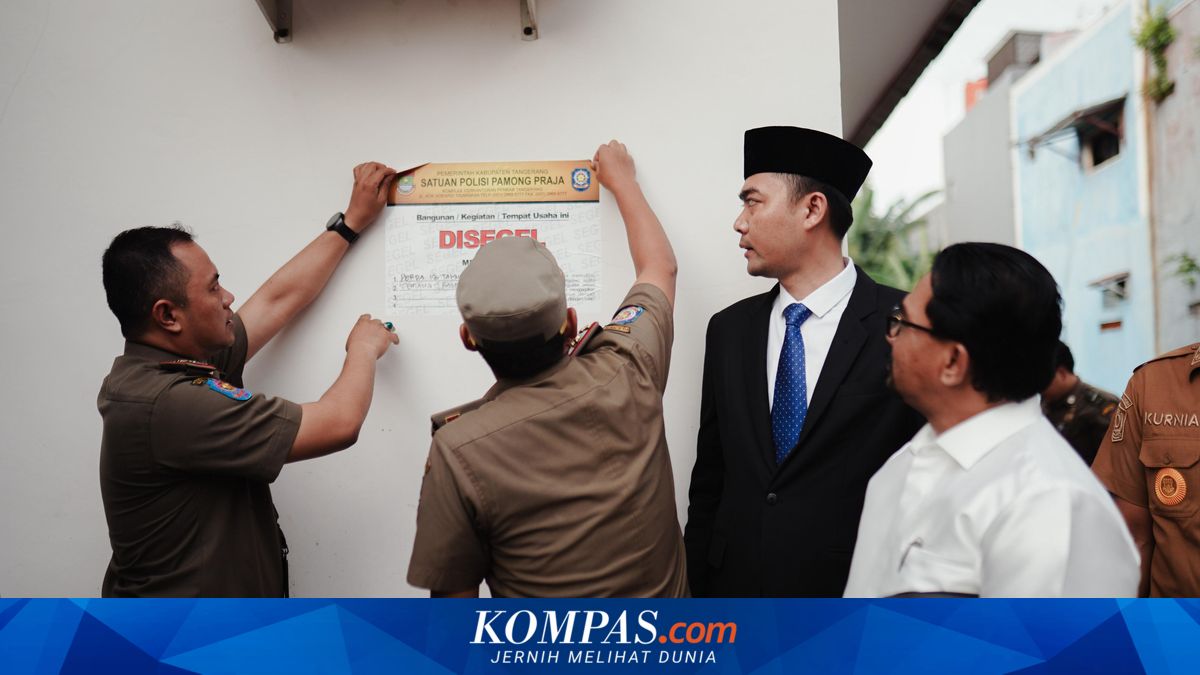
The polemic surrounding the sealing of the POUK Tesalonika congregation’s place of worship in Teluknaga, Tangerang, over the past few days is not merely an administrative matter concerning building permits. It has transformed into a powerful social learning space for the public, especially for schoolchildren who witness it through social media, news portals, and conversations among the adults around them. When a Good Friday worship service is followed by social tension, children are not merely seeing news; they are absorbing values about how society treats differences. This is where the fundamental question becomes crucial: what are students actually learning from events like this? Today’s education is no longer confined to the classroom. Children learn from gadget screens, viral video clips, emotional comments, and the ways society resolves conflicts. If what they see is mob pressure, prejudice against different groups, and rhetoric that sharpens religious identities, then what is being passed on to them is an exclusive mindset. Meanwhile, schools have been striving to instil the values of the Pancasila Student Profile: global diversity, critical reasoning, and mutual cooperation. Ironically, public spaces often present a “counter-curriculum” that teaches the opposite. Children may hear teachers explain tolerance in the morning, but in the evening, they witness through the media how a house of worship is contested in an emotional manner. It is this tension between formal education and social learning that we must all recognise. Therefore, the Teluknaga incident should serve as a momentum for public education. Teachers, school principals, and parents can use it as material for joint reflection: distinguishing between building procedural issues and citizens’ fundamental right to worship; understanding that the law must be enforced without injuring human dignity; and realising that communal hatred always leaves a long trace on the consciousness of young generations. The late Abdurrahman Wahid long ago reminded us that humanity can transcend identity barriers. In a similar spirit, Michael Amaladoss emphasised the importance of interfaith dialogue as a praxis of living together, not merely a ceremonial slogan.