
Learning from UAE's ADNOC and Ghana Cocoa Board: Where is the Fate of DSI Heading?
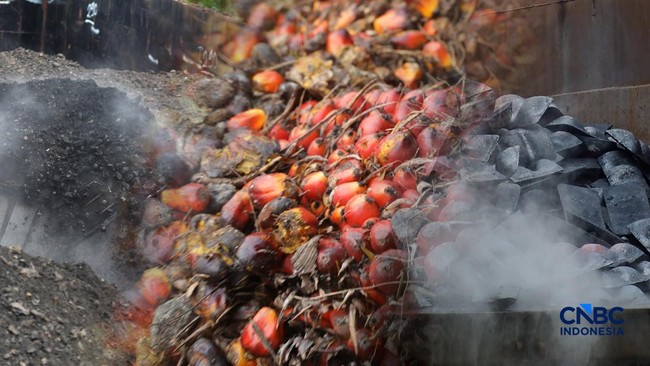
The operational plans for PT Danantara Sumberdaya Indonesia (DSI) are set to bring fundamental structural changes to the governance of national natural resources. This entity is intended to operate as a single aggregator for high-value strategic commodities, including coal, crude palm oil (CPO), and ferroalloy products. The policy, which mandates all domestic private producers to sell their export commodities to the state, has sparked discourse regarding financial sustainability and the effectiveness of such a model.
As a basis for projection, this commodity governance model can be compared to two systems that share similarities with the current DSI concept. The first is the model run by the Abu Dhabi National Oil Company (ADNOC) in the United Arab Emirates. The second is the centralised aggregator model operated by the Ghana Cocoa Board, an institution with a functional anatomy most identical to the proposed Indonesian aggregator institution.
The ADNOC Infrastructure Control Model
At first glance, there is a very high similarity between the DSI design and the energy governance in the UAE. In that region, all oil commodities produced from the earth must flow through state infrastructure. The distribution and logistics of commodities must absolutely and exclusively be conducted through port facilities and pipelines controlled entirely by the parent entity, Abu Dhabi National Oil Company. No private or foreign company is permitted to build its own export routes or trading intermediaries.
However, a key differentiator lies in the ownership scheme once commodities flow through the state system. At the field operational level, the state forms joint ventures with foreign entities. In this structure, the state entity holds the majority controlling stake, while the remaining shares are distributed to international partners who provide capital and technology. This equity distribution automatically serves as the determining instrument for the daily physical commodity distribution quota for each company.
A fundamental difference occurs after the physical commodity has finished flowing through the state’s single infrastructure and has been loaded onto the respective shareholders’ tankers at the port. At this point of delivery, the state’s commercial control ends. Corporate partners holding minority shares have full freedom to export and sell their physical quotas to the global market, according to each company’s individual sales strategy. Meanwhile, third parties providing drilling services in the field operate purely as technical contractors receiving cash payments for their services. Through this scheme, the state successfully monopolises physical infrastructure while remaining free from the liquidity burden of purchasing commodities, as the risk of global price fluctuations is absorbed independently by each equity-holding entity.
Export Monopoly Leading to Crisis
In stark contrast to the physical profit-sharing system, the single aggregator model positions the state as the absolute buyer domestically and the absolute seller abroad. The institution in Ghana establishes its commodity board as the single aggregator and exporter for all cocoa harvests. This system forces producers at the lower levels to sell their produce to licensed collection companies. Subsequently, these collection companies are legally bound, under both criminal and civil law, to surrender 100% of the physical commodity to the state.
The state then takes full control of exports, seeks foreign buyers, and determines contract prices for the international market. During the initial implementation phase, this centralised system was considered highly successful in maintaining base price stability for local producers and preserving premium commodity quality in the global market. However, this monopoly governance imposes a highly destructive long-term liquidity burden, as the state must bear 100% of the exposure to global price volatility.
Entering the financial reporting period from 2024 to early 2026, the state institution experienced a severe financial collapse, recording losses exceeding US$1 billion. This massive loss stemmed from the institution’s failure to project forward contract prices amidst an unexpected surge in international commodity prices caused by the simultaneous occurrence of El Niño and the Cocoa Swollen Shoot Virus. The state institution became trapped in past delivery contracts at very low selling prices and was forced to purchase commodities from local levels at high current prices just to meet its delivery obligations. This cash flow crisis resulted in a default on international syndicated loans used to finance their operations. The systemic impact spread rapidly to the lower levels, where a state-owned primary collection company faced near-total bankruptcy after recording a 95% decline in net income within just 12 months.
Source: jawawa.id (https://jawawa.id/newsitem/learning-from-uaes-adnoc-and-ghana-cocoa-board-where-is-the-fate-of-dsi-heading-1780879312)
Originally published by CNBC Indonesia (https://www.cnbcindonesia.com/research/20260520134839-128-736369/belajar-dari-adnoc-uea-ghana-cocoa-board-nasib-dsi-dibawa-ke-mana), translated from Indonesian