
Learning from Iran: How to Survive Amid Economic Emergency
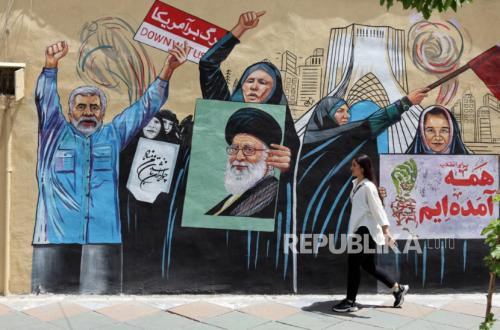
Rather than what Indonesia has experienced recently, the economic difficulties afflicting Iran are far deeper and longer-lasting. How, then, has the country survived for the past four decades?
“If you ask, we have already become doctors of sanctions,” Iran’s Ambassador Mohammad Boroujerdi joked during a visit to Republika some time ago.
Western sanctions on Iran ostensibly began with the Islamic Revolution in 1979. However, the sanctions intensified following the failure of the Joint Comprehensive Plan of Action in 2018, when the United States reimposed massive restrictions on Iran’s energy sector, banking system, and international trade. These measures were intended to significantly reduce the country’s oil revenue and isolate it from the global financial system.
Economic indicators after the reimposition of sanctions showed clear signs of strain. Inflation soared and the Iranian Rial experienced a sharp depreciation against major currencies. According to economic assessments, these developments significantly reduced household purchasing power and limited foreign investment.
Regarding this, Boroujerdi said the Iranian nation has been developing what is called a resistance economy since the revolution. Ayatollah Khomeini instilled from the outset the principle that the country must be independent of the dictates of foreign states.
As reported by the Atlas Institute for International Affairs, to circumvent sanctions, the country has developed complex logistical strategies that allow oil shipments to reach international markets through indirect routes. These strategies often involve ship-to-ship transfers at sea, the use of intermediary shipping companies, and the temporary disabling of tanker tracking systems. Such practices make it difficult for regulators to trace the origin of oil cargoes or monitor their final destinations. A significant portion of these indirect exports is believed to reach markets in China, often sold at discounted prices through intermediary trading firms. These discounted sales result in significant revenue loss for Iran, yet they have facilitated ongoing trade, allowing Iran’s energy sector to survive despite the sanctions.