
Learning from DPR Member Gus Hilman's Paspro Toll Road Crash
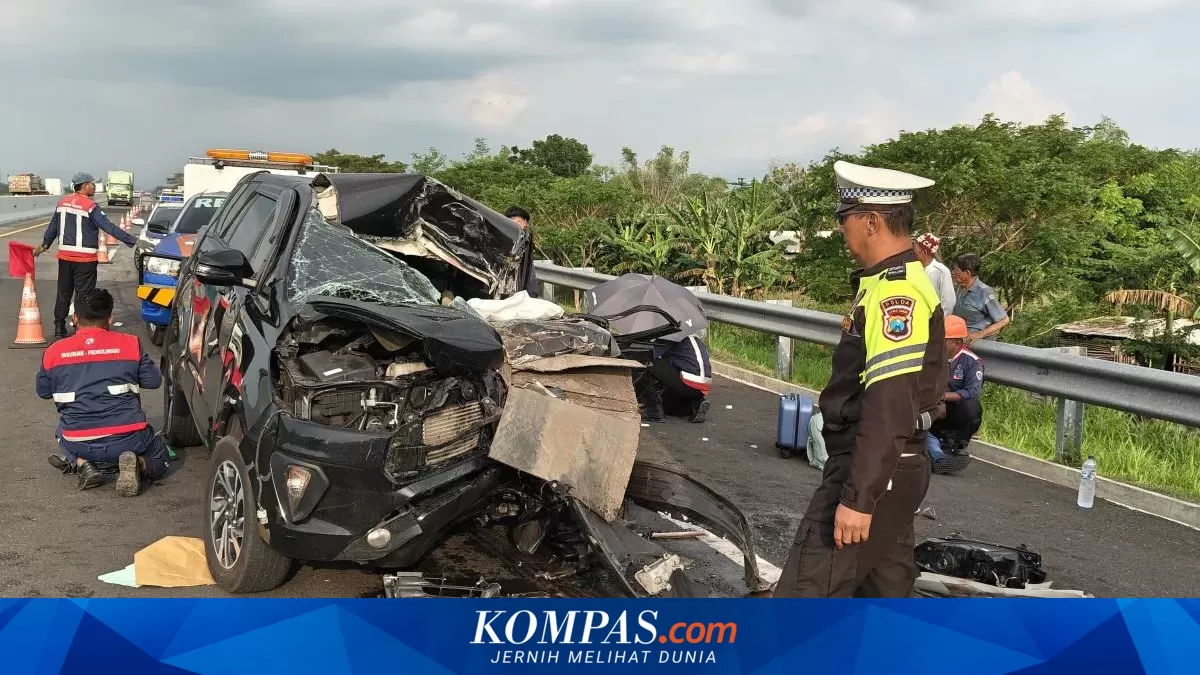
Jakarta, KOMPAS.com – The accident involving a Toyota Innova carrying X Commission member of the House of Representatives (DPR RI) Muhammad Hilman Mufidi, known as Gus Hilman, on the Pasuruan-Probolinggo (Paspro) Toll Road at KM 834 on Saturday (23/5/2026), serves as a reminder of the importance of maintaining concentration while driving, especially when tired or drowsy.
According to police reports, the crash occurred between the Toyota Innova and a dump truck travelling in the same direction from Probolinggo to Pasuruan.
Aipda Muhammad Taufik Rahadian, Head of the Probolinggo City Traffic Police Enforcement Unit, explained that the Innova was moving east to west, or from Probolinggo to Pasuruan, with several passengers including Gus Hilman.
The incident has also drawn attention to the effectiveness of modern vehicle safety features in mitigating risks from drowsy driving.
Sony Susmana, Training Director of Safety Defensive Consultant Indonesia (SDCI), stated that many vehicles are now equipped with safety technologies designed to keep drivers alert, such as drowsy driver alerts and lane-keeping assistance.
However, he noted that many drivers still do not fully understand the actual functions of these technologies.
‘Modern vehicle technology is highly advanced, with numerous safety features built in, yet accidents remain frequent. The issue is drivers don’t understand the functions of these features. They know they exist but don’t grasp how they work,’ Sony told KOMPAS.com on Sunday (24/5/2026).
He explained that drowsy driver alerts merely provide a signal or warning, not taking control of the vehicle.
Additionally, features like lane keeping assist help keep the vehicle in its lane when the driver starts to lose focus.
‘Drowsiness alerts only send a signal, and there are features like lane keeping assist to ensure the vehicle stays in its lane, along with other safety features. All of these are designed to remind drivers of potential dangers,’ Sony said.
‘Everything depends on the driver’s awareness. After receiving a warning, what should they do? What are the risks if they don’t act? Current vehicles, even advanced ones, are not fully autonomous and still require driver control,’ he added.
Sony continued that signs of drowsiness vary among drivers, but he cautioned against dismissing these symptoms.
‘The onset of drowsiness differs for each driver, but most tend to underestimate it as it creeps up gradually. This is why drowsy driving accidents can occur after one or three to four hours,’ Sony said.
‘Pay attention to body signals such as stiffness, heavy eyes, and yawning. Pull over at a rest area immediately and refresh your motor and sensory functions,’ he advised.