
Learning from Covid, ASEAN Prepares Strategy for Future Pandemics
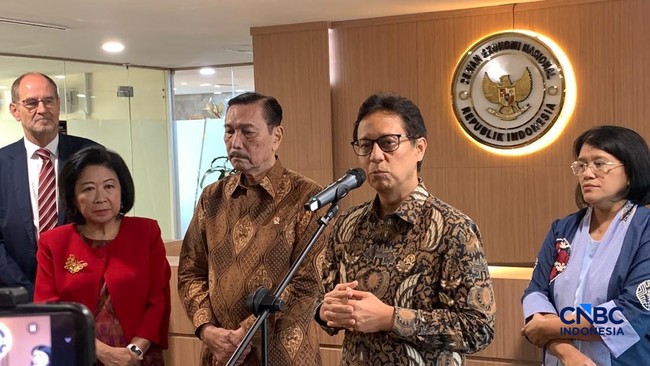
ASEAN countries have begun formulating a strategy to strengthen vaccine production and regional health resilience in preparation for the next potential pandemic. The move aims to ensure nations in the region no longer face difficulties obtaining vaccines, medicines, and essential health products, as experienced during the Covid-19 pandemic.
The discussion took centre stage at the Building Regional and Global Health Resilience in ASEAN: Vaccine Manufacturing and Pandemic Preparedness and Response (PPR) forum, organised by the National Economic Council (DEN) in Jakarta on Wednesday (24/6/2026). The forum brought together government officials, regulators, industry players, academics, and international organisations to discuss strengthening vaccine manufacturing, pandemic preparedness, and health supply chain resilience within the ASEAN region.
DEN Chairman Luhut Binsar Pandjaitan stated that the experience of the Covid-19 pandemic six years ago highlighted the importance of cooperation between countries in tackling a global health crisis. “The experience from COVID-19 six years ago showed that without cooperation, we would not have been able to resolve it properly,” Luhut said. He emphasised that strengthening the health sector is now a priority for President Prabowo Subianto’s government. Beyond improving public quality of life, investment in the health sector is also believed to drive national economic growth. Luhut noted that programmes to improve health services and the use of AI-based government technology will make the bureaucracy more efficient, transparent, and support Indonesia’s economic growth targets. “We all agree that we can grow 7-8% by 2028,” he stated.
Meanwhile, Health Minister Budi Gunadi Sadikin said that ASEAN countries with large populations must have the capacity to produce their own medicines, diagnostic tools, and vaccines. He noted that during a pandemic, access to health products from other countries can be hampered by lockdown policies or export restrictions. “If another pandemic occurs, we must have a strong ecosystem for medicines, diagnostics, and vaccines to serve a population of 280 million,” he said. Budi assessed that this capability is also necessary for other populous ASEAN countries such as Vietnam, the Philippines, Thailand, and Myanmar. Therefore, health technology transfer and strengthening vaccine production capacity in the region are crucial.
National Economic Council member Mari Elka Pangestu reminded that ASEAN must not wait for the next pandemic to begin preparations. “Don’t wait until the next pandemic to panic. We must prepare ourselves while we are still in a non-pandemic state,” she said. Mari added that the forum’s discussions went beyond merely increasing vaccine production capacity. ASEAN countries also discussed the need to strengthen the regional health supply chain so that health products manufactured in one country can be quickly distributed to others during a crisis. Furthermore, ASEAN is encouraged to accelerate regulatory cooperation through mutual recognition agreements (MRA), allowing vaccines and medicines approved in one member state to be more easily utilised in others. According to Mari, cooperation in research and human resource development in the health sector is also a key part of the regional agenda to strengthen preparedness for the next pandemic. She expressed hope that the various commitments agreed upon by ASEAN can be implemented promptly and not remain merely at the planning stage.