
Learning from Communities, PAN Legislators Urged to Address Regional Waste Issues
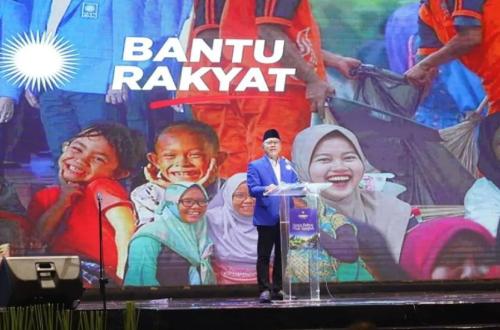
Thousands of members of the Regional House of Representatives (DPRD) from the PAN faction across Indonesia attended a National Waste Management Workshop in Jakarta. During the event, legislators learned directly from environmental communities and sanitation workers to strengthen waste management agendas in their respective regions.
The General Chairman of PAN, Zulkifli Hasan, stated that a field-based approach was chosen so that council members could understand waste issues more comprehensively, ranging from the household level to regional management. “PAN DPRD members are learning directly in the field so they can return with clear tasks for their regions. The primary duty of council members is to ensure the presence of regulations and budget allocations that favour environmental management,” Zulkifli Hasan said in a statement on Monday (8/6/2026).
According to PAN, waste issues cannot be resolved through ceremonial activities or momentary actions alone. Continuous support through regulation, budgeting, and supervision is required for waste management systems to operate effectively in the regions. Through this workshop, DPRD members are encouraged to formulate follow-up steps applicable to their respective areas, including the strengthening of regional regulations, budget support, and increasing community participation in waste management.
This step aligns with government efforts to strengthen national waste management. According to recent data, the Bantargebang Integrated Waste Treatment Site (TPST) is one of the locations with the largest methane emissions from the waste sector, meaning waste issues are no longer just related to environmental cleanliness, but also impact public health and climate change.
PAN also expressed its support for the implementation of Presidential Regulation Number 109 of 2025, which encourages the utilisation of waste as an energy source. In this context, PAN DPRD members are asked to play an active role in overseeing the translation of national policies into regional regulations and programmes. “Central-level policies will only be effective if they are firmly translated into Regional Regulations (Perda) at the local level and internalised as a habit at the household level,” said Zulkifli.
Through direct learning from communities and field practitioners, PAN hopes that legislators can bring a more practical perspective to formulating waste management policies that meet the specific needs of their respective regions.