
Learning from Ameena: Study Reveals Parenting Patterns That Make Children Jealous
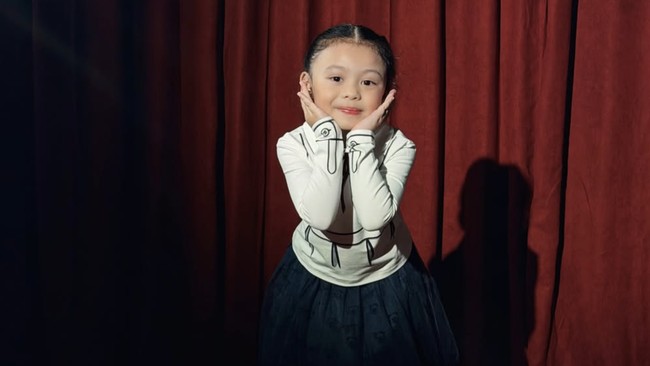
Jakarta, CNBC Indonesia – A heartfelt account by Ameena Hanna Nur Atta, the eldest daughter of Atta Halilintar and Aurel Hermansyah, about her father’s parenting has gone viral on social media. At just four years old, Ameena said she felt that Atta defended her younger sister, Azura, more often than he defended her.
Ameena made the candid admission while talking with both her parents on a podcast. She said her father often scolded her, while Azura was more likely to be defended.
Her remarks illustrate a common family issue: sibling rivalry.
This usually arises when a child feels that their parents give a sibling more attention, affection or favourable treatment. It can show in various ways, from complaining and becoming easily angry to being reluctant to share with a younger sibling.
However, jealousy does not necessarily mean a child does not love their sibling. From a psychological perspective, it can instead be an emotional response to feeling that they have lost attention or a special place in the family.
Children Notice Differences in How Parents Treat Them
The Times of India reports that children are quite perceptive about differences in how their parents treat them. They notice who receives praise more often, who is given greater freedom, and who gets more help and presents.
Small things that parents may consider ordinary can be interpreted differently by children. For example, when a younger sibling gets a new toy, an older child may feel that they are being treated unfairly.
Comparing Children Can Make Jealousy Worse
One issue parents should be mindful of is comparing their children. Even seemingly simple remarks can make a child feel less valued than a sibling.
For example, saying, “Look at your older sibling, they’re so diligent about doing their homework. Why can’t you be like them?” may make a child feel they have to compete for their parents’ approval.
Similarly, saying, “Your younger sibling is willing to share their toys, so why aren’t you?” can lead to feelings of inferiority and rivalry between siblings.
In a study published in the Journal of Family Psychology, researchers observed 197 families with pairs of adolescent siblings.
The findings showed a link between children’s perceptions of differential parental treatment, jealousy towards siblings, and several aspects of adjustment, including depressive symptoms, self-esteem and risky behaviour.
The study also highlighted the importance of children’s perceptions of fairness within the family.
Nevertheless, treating each child differently does not necessarily mean parents are being unfair. A two-year-old, for instance, naturally has different needs and rules from a 12-year-old.
Problems can arise when a child interprets those differences as a sign that a sibling is more loved or valued.
Children Who Are Frequently Praised Can Also Feel Pressured
Interestingly, the effects of comparing children are not limited to those who feel they receive less attention. A child who is always described as the most mature, clever or independent can also come under pressure.
For example, when a younger sibling makes a mistake, the older child may always be expected to give way because they are older. If this happens repeatedly, the child may feel burdened by having to be the understanding one all the time.
The same can happen to a child who is constantly praised for academic achievement. Praise intended to motivate can turn into an expectation that they must always perform better.
How Parents Can Respond to a Jealous Child
When a child says, “Mum and Dad love my younger sibling more,” parents should not immediately reject the claim or dismiss it as misbehaviour.
Rather than simply replying, “No, we love both of you,” parents can ask, “What makes you feel that way?”
The question can help parents understand what is behind the child’s jealousy. They may feel they are losing time with their mother or father, or that they are always expected to give way because they are older.
Parents should also avoid using one sibling as an example when reprimanding another.
Instead of saying, “Look at your older sibling, their room is always tidy,” parents could offer direct recognition: “You tidied your toys today without being asked. Thank you.”
Likewise, when a child manages to do something they were previously afraid of, parents can praise their effort and courage without comparing them with a sibling’s achievements.
Ultimately, sibling jealousy is not something that must always be eliminated. Every child has a different age, character and emotional needs.
What matters most is ensuring that each child feels heard and valued, and knows they still have a special place in the family. Differences in needs should not turn into a competition for affection.
Source: jawawa.id (https://jawawa.id/newsitem/learning-from-ameena-study-reveals-parenting-patterns-that-make-children-jealous-1794297023)
Originally published by CNBC Indonesia (https://www.cnbcindonesia.com/lifestyle/20261110121404-33-783862/belajar-dari-ameena-studi-ungkap-pola-asuh-yang-bikin-anak-cemburu), translated from Indonesian