
Lean Fatty Liver: Why Slim Individuals Can Develop Fatty Liver Disease
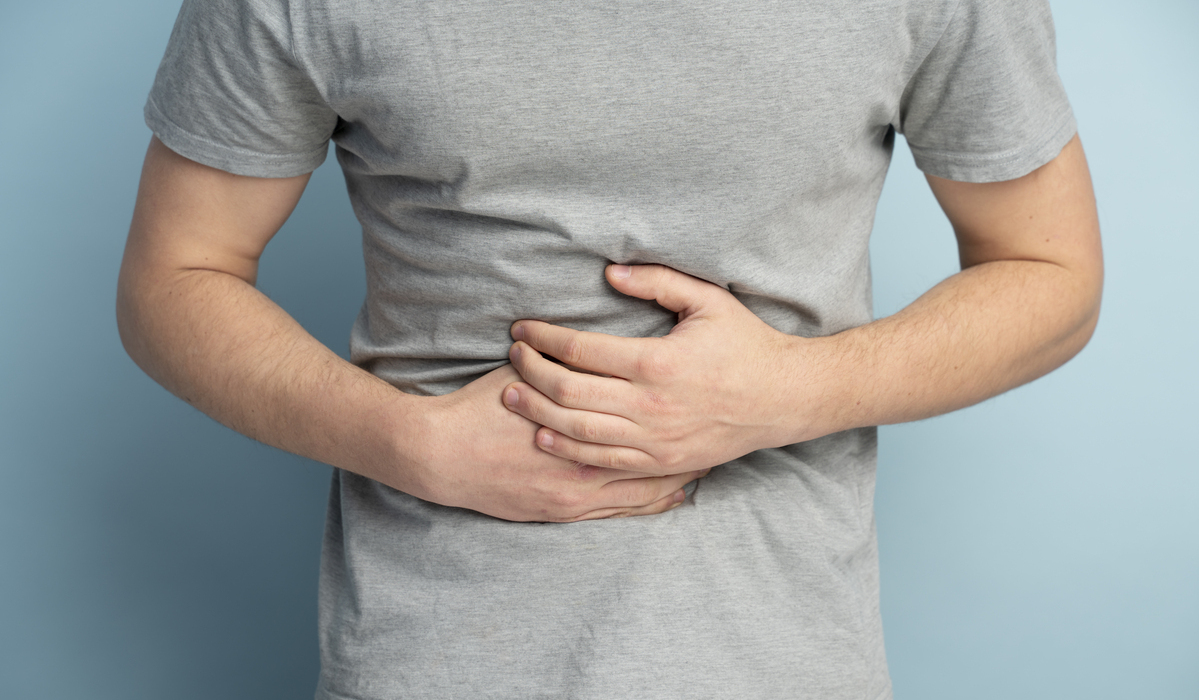
The phenomenon of lean fatty liver demonstrates that a slim physique does not guarantee a healthy liver. This condition is often more dangerous because sufferers feel physically healthy and are unaware of fat accumulation in the liver until it reaches an advanced stage. Understanding that body weight is not the sole indicator of liver health is a crucial first step in early prevention.
Although lacking significant subcutaneous fat (fat under the skin), lean individuals can have high levels of visceral fat. Key contributing factors include genetic predisposition, poor dietary habits such as high consumption of refined carbohydrates and sugars, and a sedentary lifestyle.
Like typical fatty liver disease, lean fatty liver is often a ‘silent killer’ with no symptoms in the early stages. However, some signs that may appear include fatigue, discomfort in the upper right abdomen, and elevated liver enzymes detected through blood tests.
Because lean individuals are rarely suspected of having fatty liver issues, diagnosis is often delayed. If you have a family history of diabetes or heart disease, an abdominal ultrasound is highly recommended even if your body weight is ideal.
Management for lean individuals differs slightly from that for obese patients. The focus is not on drastic weight loss, but on improving metabolic quality through dietary adjustments, such as reducing sugar and refined carbohydrate intake, combined with regular physical activity to build muscle mass and reduce visceral fat.