
Layoffs Surge in 2026, Heavy Pressure Mounts on the Real Sector
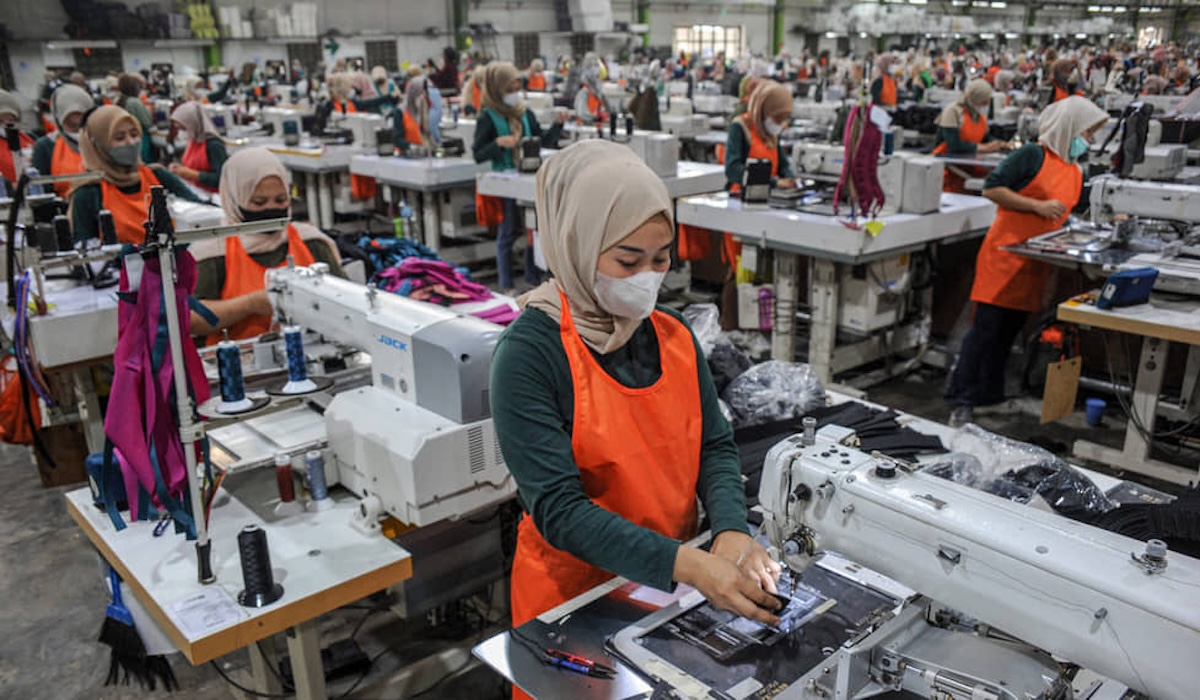
The rising wave of layoffs throughout 2026 indicates that pressure on the real sector remains strong. The Institute for Development of Economics and Finance (Indef) stated this pressure is occurring amidst weakening purchasing power, high interest rates, and rising production costs.
Data from the Ministry of Manpower recorded approximately 23,470 workers were laid off during January-May 2026. The largest concentration occurred in West Java, Banten, Central Java, DKI Jakarta, and East Java, which are the bases of the national manufacturing industry.
“This phenomenon is occurring amidst weakening public purchasing power, declining consumer confidence, a high benchmark interest rate that has reached 5.75%, and a weakening rupiah that increases production costs, especially for industries dependent on imported raw materials,” said Indef Head of Macroeconomics and Finance M Rizal Taufikurahman to Media Indonesia on Wednesday (24/6).
Rizal stated the sectors most vulnerable to impact are labour-intensive industries. These sectors include textiles and textile products, footwear, furniture, electronics, and parts of the food and beverage industry.
According to him, these sectors face layered pressures. Besides slowing domestic demand, businesses are also dealing with increasingly fierce import competition and rising operational costs.
Export-oriented companies also face risks due to the global economic slowdown. This condition means demand from key markets, such as the United States, Europe, and China, has not yet fully recovered.
Rizal assessed that the knock-on effects of the layoff wave need to be watched. Layoffs not only increase the unemployment rate but also have the potential to depress household consumption, which has contributed more than 50% to Indonesia’s gross domestic product.
“If this trend continues, a negative cycle will form where public income falls, consumption weakens, company sales decline, and the business world again carries out workforce efficiency,” he explained.
Therefore, Rizal believes the government needs to take a number of steps to hold back deeper pressure on the real sector. The first step is to focus on saving labour-intensive industries through production incentives.
Additionally, the government is considered to need to strengthen protection from harmful import practices, accelerate investment capable of absorbing labour, and run reskilling and upskilling programmes so that affected workers can be quickly reabsorbed into the job market.