
Laying Hens Assistance for Hope Family Programme: From Aid to Business Income Source
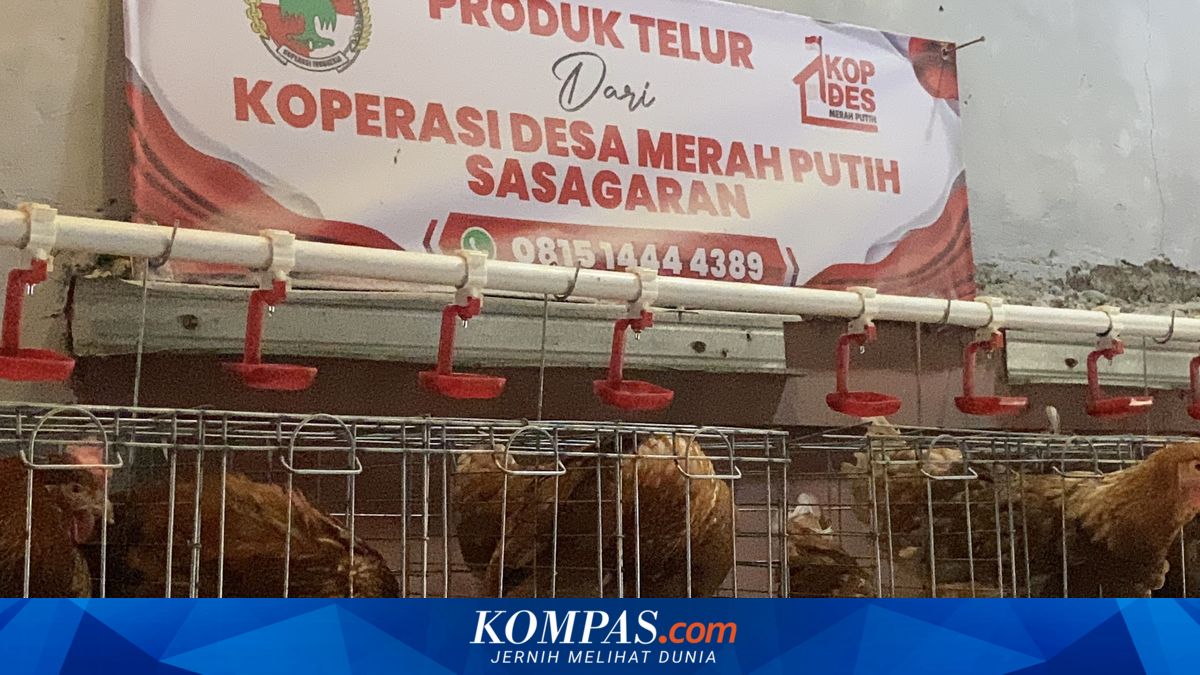
Jakarta — Efforts to empower the economy of families receiving social assistance continue to be explored in various forms. In Pasuruan Regency, East Java, one initiative has been implemented by providing laying hens to recipients of the Hope Family Programme (PKH) so they can be raised as a source of income.
A total of 100 PKH recipients who are also members of the Merah Putih Village Cooperative (KDMP) in Gejugjati, Lekok Subdistrict, Pasuruan Regency, each received 24 laying hens. The assistance was provided as a grant, but simultaneously came with the responsibility to care for the hens until they could produce eggs productively.
“The support is comprehensive. For the next month they receive feed and medicines. After that, they manage how to care for the hens,” said Ismail, one of the assistance recipients, on Wednesday (11 March 2026).
He added that the recipients also received mentoring from cooperative management to ensure they could raise the hens properly until they produced eggs optimally.
Ismail stated that cooperative management also provided guidance to ensure the hens were not sold or slaughtered before their productive period. If any hens died, recipients were asked to report to cooperative management.
“We were told not to sell or slaughter them. If any hens die we must report it,” he said.
After the hens begin laying, the egg harvest will be sold back to KDMP Gejugjati. All profits from these sales belong to the farmers.
“For egg sales, they are collected at the cooperative, managed, and distributed to the Free Nutritious Meals (MBG) kitchens,” said Ismail.
“We were asked to raise and care for them. Then we sell the eggs. (The profits) are deposited at the Merah Putih Cooperative,” said Maemunah.
She admitted she had previously been accustomed to raising village chickens at home. Because of this, the laying hen assistance made her even more enthusiastic about learning to farm more seriously.
“Thank you, Mr President, for the laying hen assistance. It helps greatly. Long live, Mr President,” she said.
Generally, laying hens begin producing eggs at approximately 18 to 20 weeks old or around five months. Their productive period can last around 100 weeks or approximately two years.
In one year, a single laying hen can produce approximately 250 to 280 eggs on average. Through this cooperative farming scheme, assistance that was originally social in nature is expected to develop into a new source of income for recipient families.