
Lawmaker pushes for the development of a comprehensive elderly protection system
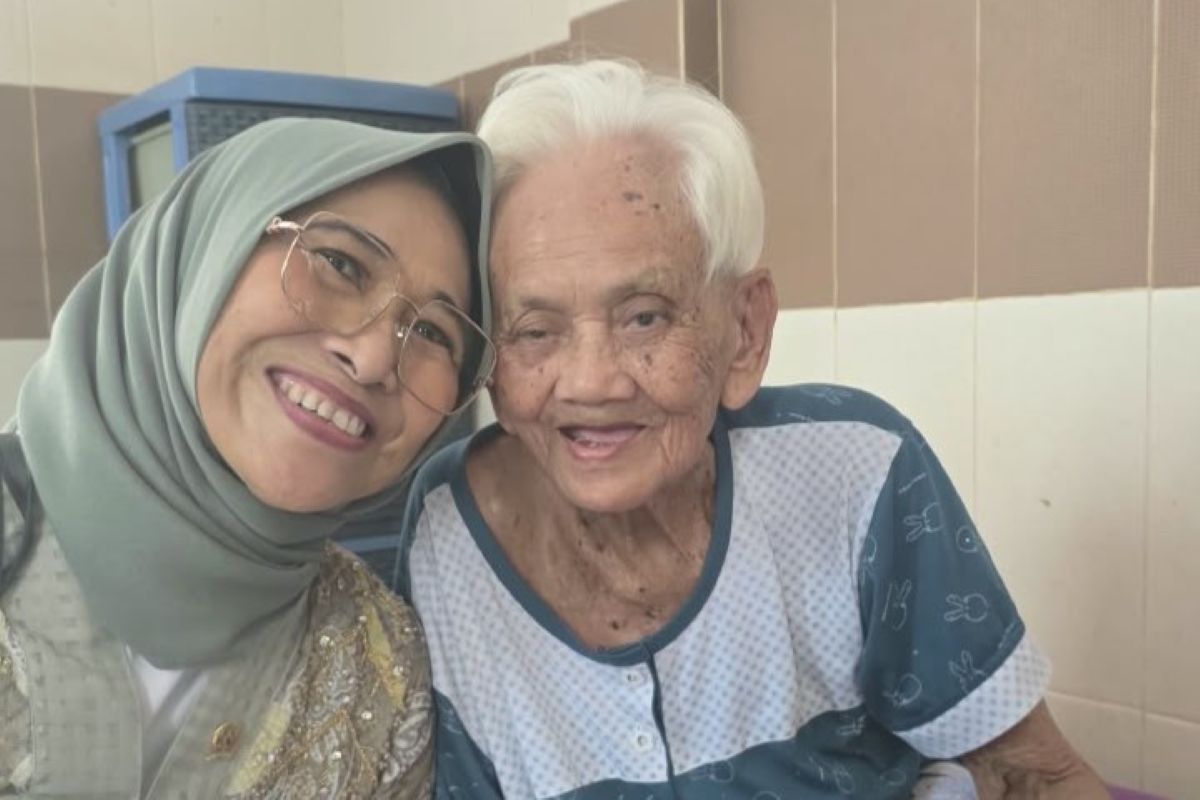
Growing old should not mean losing independence and dignity.
Jakarta (ANTARA) - Member of Commission VIII of the Indonesian House of Representatives (DPR RI), Hetifah Sjaeyudian, stated the need for a more comprehensive protection system for the elderly, ranging from health to social aspects, in response to the challenges of managing elderly people in displacement camps following the earthquake in East Nusa Tenggara (NTT).
Citing data from the National Disaster Management Agency (BNPB), 94 residents who died while in displacement camps were dominated by vulnerable groups, particularly the elderly with chronic illnesses such as stroke and diabetes mellitus.
Hetifah explained that they were not victims who died due to direct physical trauma from the earthquake.
“This reminds us that the elderly require special attention. In displacement camps, some must take medication every day, require assistance to walk, have chronic illnesses, or are unable to communicate their own needs. In such conditions, losing medication or the interruption of routine care can have fatal consequences,” she said in Jakarta on Saturday.
In daily life, many elderly people face declining health, limited mobility, reduced income, difficulties in accessing public services, as well as loneliness and loss of social support.
“Growing old should not mean losing independence and dignity. They are our parents, our teachers, and the generation that helped build the families and societies we enjoy today. When their physical abilities decline, the state and society must be increasingly present,” she said.
Hetifah appreciated several local governments that have begun developing elderly-friendly policies. DKI Jakarta, for example, has provided support for the elderly through social assistance and ease of access to public transport.
However, according to Hetifah, cash assistance, subsidies, and transport convenience alone are not enough.
She explained that during a specific working visit by Commission VIII of the DPR RI to the Pangudi Luhur Integrated Centre in Bekasi, she witnessed another side of services for vulnerable groups, including the elderly.
At this facility, health services, therapy, social rehabilitation, assistance, and empowerment are provided in an integrated manner.
In her view, such an approach needs to be expanded, as elderly issues do not only arise during disasters.
“We need to appreciate all efforts. However, the needs of the elderly are much broader. We need to consider how they can obtain continuous health check-ups and medication, accessible public spaces, long-term care services, assistance for elderly people living alone, opportunities to remain active and productive, as well as special protection during disasters, and also when performing the Hajj and Umrah pilgrimages,” she said.
Hetifah assessed that the issue of ageing must begin to be placed as a long-term development agenda. Indonesia has entered the ageing population phase since 2021, when the proportion of the elderly exceeded 10 per cent of the population. By 2045, the number of elderly people is projected to reach approximately 20 per cent of the Indonesian population.
Therefore, she is pushing for an update to Law Number 13 of 1998 concerning the Welfare of the Elderly to ensure it can address demographic changes and the needs of the elderly today.
“An elderly-friendly Indonesia is an Indonesia that ensures a person remains respected, protected, healthy, and has the space to be empowered into old age,” said Hetifah.