
Law Minister Asserts 'Sound Horeg' Has Never Held Copyright
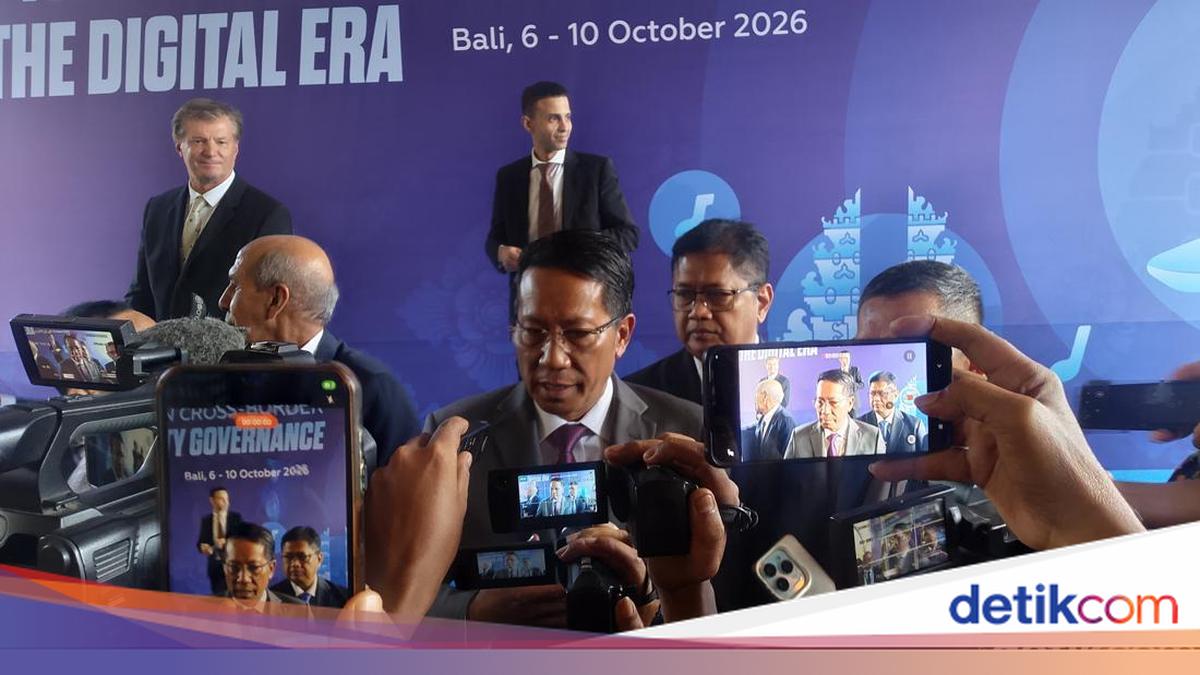
The Minister of Law, Supratman Andi Agtas, has emphasised that ‘sound horeg’ has never received copyright from the Ministry of Law. This statement serves to clarify the controversy regarding the intellectual property status of ‘sound horeg’ that has recently emerged in East Java.
Supratman stated that while applications for copyright were indeed submitted through the East Java Regional Office of the Ministry of Law, these submissions were never processed. “It is not a matter of whether it was revoked or not. There was an intention to apply for copyright through the East Java Regional Office, but it was not processed,” Supratman said during the Global Dialogue on Cross-Border Copyright Royalty Governance in the Digital Era in Bali on Wednesday.
He asserted that there is no copyright for ‘sound horeg’ that has been subsequently revoked by the government. “No, because it never happened. The copyright was never issued,” he clarified.
This statement contradicts previous narratives suggesting that ‘sound horeg’ had received intellectual property protection from the government. In 2025, the Directorate General of Intellectual Property (DJKI) had discussed the potential for intellectual property within the ‘sound horeg’ phenomenon.
DJKI explained that ‘sound horelar’ contains several elements that could potentially receive separate intellectual property protection. The technology used could potentially fall under patent protection, while specific device shapes or designs could qualify for industrial design protection if they meet the criteria for novelty. However, complications arise regarding the music used in ‘sound horeg’ performances.
DJKI previously emphasised that remix music using the works of other creators must still respect the moral and economic rights of the original authors. Such usage may require permission and/or the payment of royalties to the rights holders.
DJKI has also previously reminded ‘sound horeg’ organisers to manage licensing and royalty issues, as these performances frequently use song material and music belonging to other creators for commercial purposes.
Consequently, the status of ‘sound horeg’ itself and the status of the songs played during the performances are two distinct issues. The absence of copyright for ‘sound horeg’ does not mean that the music used in the performances is automatically free from copyright obligations.
This royalty issue is relevant to the Ministry of Law’s current agenda to promote more transparent and fair royalty management, including the use of musical works in commercial public spaces. The government has previously asserted that the use of songs or music for commercial purposes carries royalty obligations through established mechanisms.
On the other hand, the ‘sound horeg’ phenomenon remains a subject of debate, as it involves not only intellectual property rights but also issues of public order, health, and community impact.
DJKI previously stated that while ‘sound horeg’ as a form of artistic expression is permitted, it must still adhere to religious norms, social norms, and public order. The government is also encouraging specific regulations regarding the licensing and execution of ‘sound horeg’ events.
Source: jawawa.id (https://jawawa.id/newsitem/law-minister-asserts-sound-horeg-has-never-held-copyright-1791363195)
Originally published by detikBali (https://www.detik.com/bali/berita/d-8696463/menkum-tegaskan-sound-horeg-tak-pernah-punya-hak-cipta), translated from Indonesian