
Laundry Demand Rises During Eid Season, Reflecting Urban Lifestyle Practicality
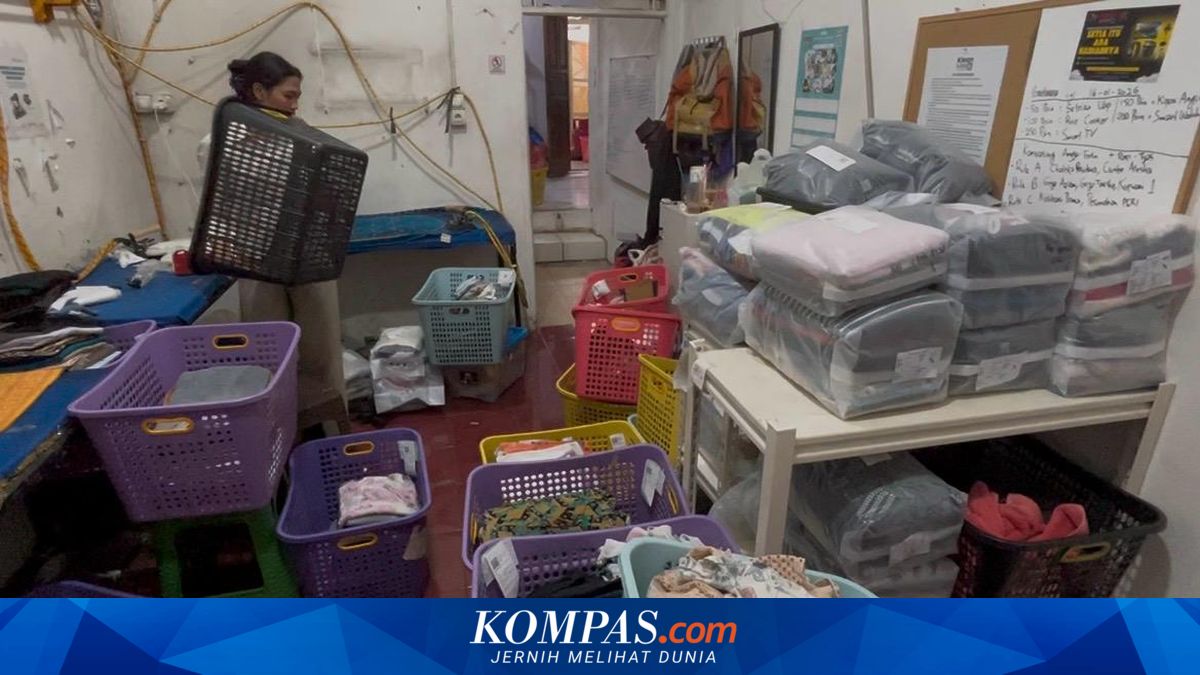
Depok — As Eid al-Fitr approaches, various business sectors experience heightened activity, including laundry services. During this period, public demand for practical, time-saving services tends to increase in line with growing household activities.
Preparations for homecoming, religious observances during Ramadan, and various Eid-related activities prompt some households to use laundry services to help complete domestic work. This situation also drives increased demand for laundry services, particularly in urban areas.
“The surge in laundry service demand ahead of Eid reflects a shift in household consumption behaviour towards time-saving services,” said Taufik to Kompas.com on Tuesday, 17 March 2026.
According to him, during the Ramadan-to-Eid period, household activities typically increase, making available time for completing domestic work more limited. “During this period, households face increased activity such as homecoming preparations, religious observances, and consumption, raising the opportunity cost of time,” he said.
The increased use of laundry services also reflects changing patterns in how people manage household work. In certain conditions, work previously done independently is now being outsourced to service providers.
According to Rizal, the use of laundry services represents household adaptation to time constraints. “Economically, laundry becomes a rational substitute for domestic work, particularly in urban areas,” he said. “This shows that the informal service sector has high demand elasticity relative to seasonal momentum and time pressure,” he added.
The surge in laundry service demand is linked to increased household consumption during the Ramadan-to-Eid period. During this time, public spending patterns typically change compared to other months.
Rizal explained that increased demand for various service sectors is influenced by a combination of economic and social factors that emerge during the Eid season. “The surge in service businesses during Ramadan–Eid is driven by a combination of seasonal demand shocks and cultural spending cycles,” he said.
According to him, household consumption plays a major role in the national economy, so changes in public consumption patterns during certain periods can impact increased economic activity across various sectors. “Household consumption increases significantly (typically contributing more than 50% of GDP), and spending patterns shift towards practical and quick needs,” he said. “Additionally, socio-cultural factors such as cleaning traditions, social visits, and increased mobility create a multiplier effect on service sectors, including laundry,” he added.
He believes this explains why daily service businesses often experience a surge in demand within a relatively short period. “This explains why daily service-based businesses tend to experience peak demand during short periods,” he said.
Taufik further noted that the pre-Eid period also opens opportunities for laundry business owners to increase income. With growing customer numbers, transaction volumes received by laundry businesses potentially increase compared to ordinary days.
Rizal believes business operators can leverage this momentum to boost their business activity during periods of high demand. “From an economic opportunity standpoint, laundry business operators can utilise this moment to increase transaction volumes by 20–50% compared to normal days, depending on location and business capacity,” he said.