
Launching B50 Mandate, Energy Ministry Affirms Indonesia's Readiness to Strengthen Energy Sovereignty
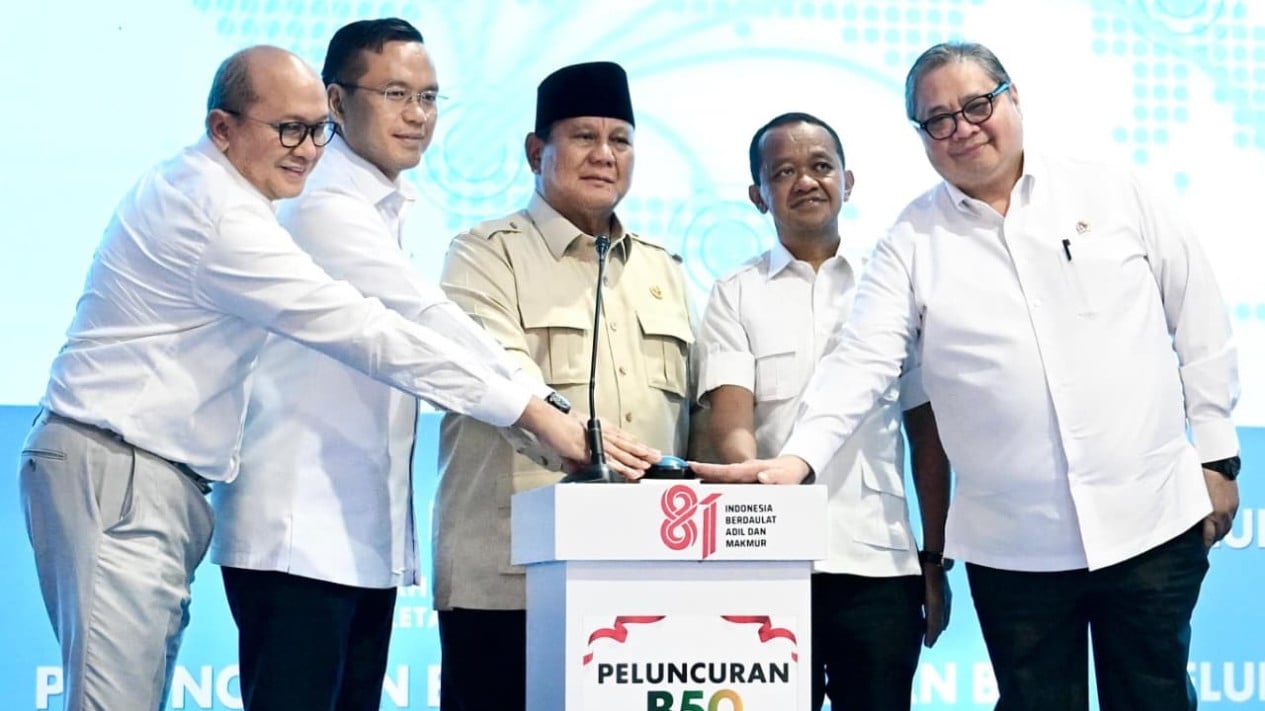
The increased utilisation of biodiesel is part of Indonesia’s strategic measures to optimise the use of palm oil-based biofuel as a domestic energy source. Through the implementation of the Mandatory B50 Biodiesel Programme, the government continues to promote the use of renewable energy while strengthening the role of domestic resources in the national energy mix.
Minister of Energy and Mineral Resources (ESDM) Bahlil Lahadalia affirmed that the implementation of B50 is not merely about increasing the biodiesel blend content in diesel fuel. According to him, the policy reflects the government’s commitment to diversifying energy sources, thereby providing added value for the national economy while strengthening the independence of the energy sector.
“The launch of the Mandatory B50 Programme is not just the launch of a policy, but a historic milestone marking Indonesia’s concrete step in strengthening national energy independence, security, and sovereignty,” Bahlil said while accompanying President of the Republic of Indonesia Prabowo Subianto at the B50 Launch at Rest Area KM 57, Karawang Regency, West Java, on Thursday (9/7).
Bahlil explained that Indonesia has great potential to strengthen energy independence through the utilisation of palm oil-based biodiesel. As the world’s largest producer of crude palm oil (CPO), Indonesia is considered to need to continuously optimise these resources to provide greater added value for the national economy and public welfare.
“B50 is not just new energy, but part of an energy transformation that optimises Indonesia’s potential to strengthen national energy security as the foundation for the nation’s economic development,” he added.
From an economic perspective, the implementation of the Mandatory B50 Biodiesel programme is projected to provide tangible benefits compared to B40. Based on data from the Ministry of ESDM, foreign exchange savings are estimated to increase from Rp133.3 trillion under B40 to Rp170 trillion under B50. The added value of the CPO industry is also projected to rise from Rp20.92 trillion to Rp23.49 trillion.
Furthermore, the B50 programme is estimated to be able to absorb around 2.1 million workers. To support its implementation, biodiesel demand is projected to reach 16.7–18 million kilolitres (kL), with a CPO requirement of around 15.2–16.3 million tonnes. From an environmental perspective, the use of B50 is estimated to reduce carbon dioxide (CO₂) emissions by up to 44.46 million tonnes, higher than the emission reduction achieved under the B40 implementation, which reached 39.66 million tonnes.