
Lathi: A Word That Brings History to Life
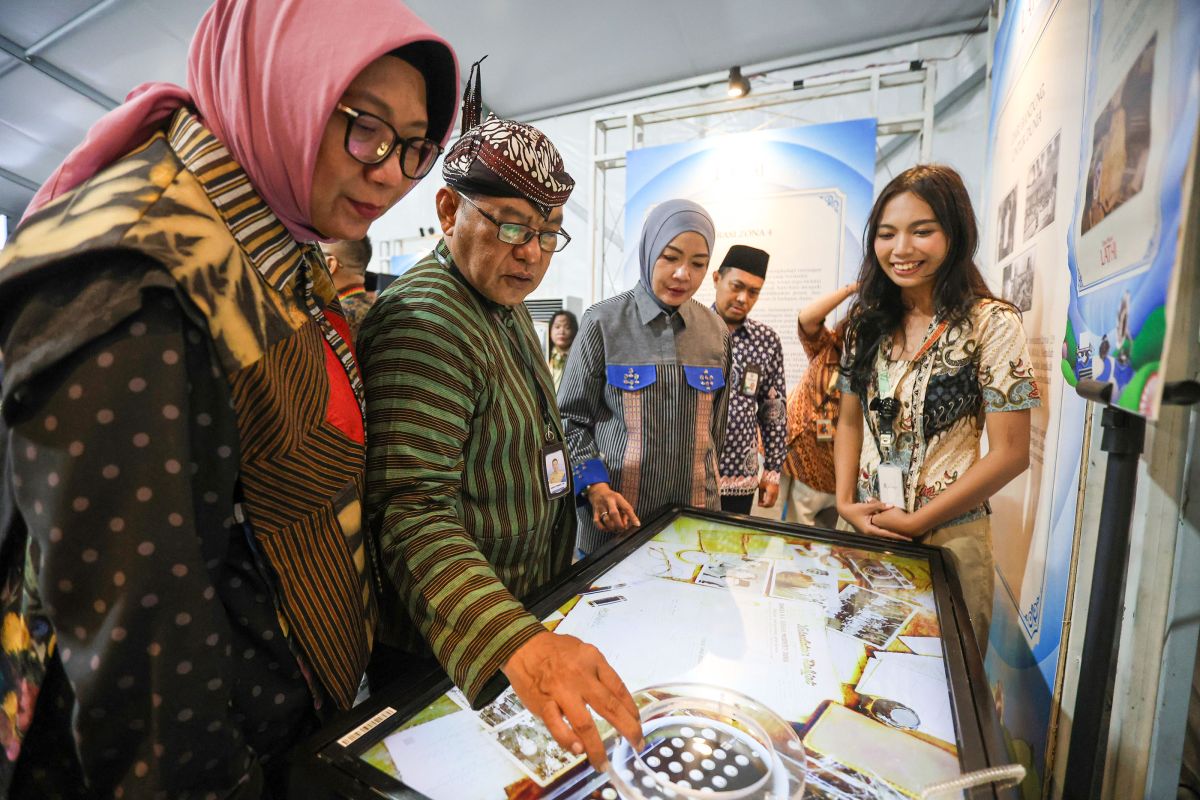
Cross Musea shows that heritage can be approached more flexibly without losing its meaning. The next challenge is to ensure that a weekend experience develops into a regular learning habit.
Surabaya (ANTARA) – History does not always have to be approached through the pages of books, quiet exhibition halls or artefacts displayed behind glass. It can also be experienced through music, performing arts, traditional food, digital games and conversations in open spaces.
That is the approach offered by the Surabaya City Government through Cross Musea: Lathi x Tjangkrukan Djuang, held in the grounds of the Museum 10 Nopember and the Heroes Monument from 27 to 29 November 2026.
The combination of exhibitions spanning several museums and an entertainment space offers a different experience. Visitors can discover historical collections, enjoy local food, watch ludruk performances, listen to music and interact with digital installations.
History, often regarded as a lesson about the past, is being presented as an experience connected to everyday life.
Behind the festivities lies a fundamental issue. Museums must respond to the demands of the times by keeping collective memory relevant as the ways people obtain information, enjoy entertainment and understand identity continue to change.
Cross Musea should therefore be seen not merely as a weekend event, but as an effort to bring historical heritage together with popular culture.
The choice of the word Lathi carries its own meaning. In Javanese, lathi means tongue or speech. The theme, “Lathi: When Words Change History”, invites visitors to see history as a journey of ideas that shapes public consciousness, rather than simply a sequence of events and dates.
The six participating museums offer different perspectives. The National Press Monument in Surakarta traces the development of the press through the newspapers Medan Prijaji and Oetoesan Hindia, as well as documentation of the 1955 Asian-African Conference.
The Indonesian Music Museum in Malang shows the role of music as an expression of society, while the Bung Karno Proclamation Library in Blitar presents the legacy of the Proclamation figure’s thought and literacy.
Source: jawawa.id (https://jawawa.id/newsitem/lathi-a-word-that-brings-history-to-life-1795917053)
Originally published by Antara (Indonesian) (https://www.antaranews.com/berita/5885783/lathi-kata-yang-menghidupkan-sejarah), translated from Indonesian