
Latest Battery Technology Set to Transform the Future of Electric Vehicles
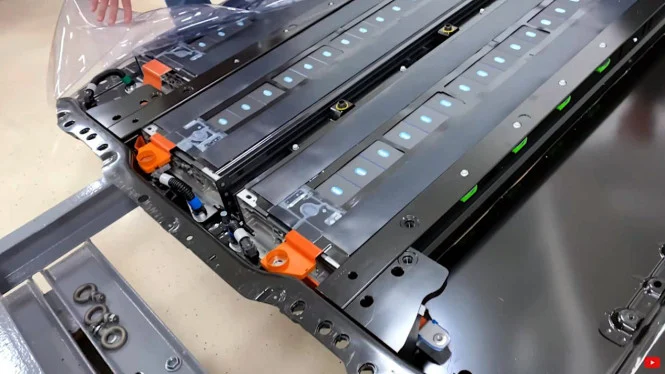
Jakarta, VIVA – Electric vehicle (EV) technology continues to advance rapidly, and one of the most compelling innovations at present is the sodium-ion battery, also known as the lithium-sodium ion battery.
This battery uses sodium as its base material in place of lithium, which has long been an expensive and limited component. With abundant sodium resources available, this battery has the potential to reduce production costs, improve safety, and make electric vehicles more affordable for the general public.
Why Sodium-Ion Batteries Are Attractive
The operating principle of sodium-ion batteries is similar to that of lithium-ion batteries: ions move between electrodes to generate electricity. However, there are several key advantages:
Lower cost: Sodium is easily obtained from sea salt or minerals, making batteries cheaper to produce.
Greater safety: Sodium-ion is more chemically stable, reducing the risk of fire or thermal failure.
Extreme temperature resilience: These batteries perform better in cold weather compared to lithium-ion.
Environmentally friendly: Safer materials and a simpler supply chain make them more sustainable.
Ready for Mass Production in 2026
Major manufacturers such as CATL (Contemporary Amperex Technology Co., Limited) have developed sodium-ion batteries with an energy density of approximately 175 Wh/kg, approaching that of the lithium iron phosphate batteries widely used today. Mass production is scheduled to commence in 2026, with batteries compatible across various EV models.
Sodium-ion batteries have passed national safety testing and are ready to be integrated into electric vehicles without major design modifications, making them a practical and economical solution for entry-level EVs.
Not a Replacement, But a Complement
Despite their many advantages, sodium-ion batteries have lower energy density than lithium-ion, meaning EV range could be shorter.
However, this technology is still viewed as complementary, particularly for daily-use vehicles, affordable EVs, and markets in developing countries. The latest design innovations continue to improve the capacity and long-term durability of sodium-ion batteries.
Challenges Still to Be Overcome
Mass production of sodium-ion remains limited compared to lithium-ion, and global market penetration is still small. Nevertheless, the demand for cheaper, safer, and more environmentally friendly batteries means this technology has the potential to become a significant part of the electric vehicle evolution.