
Latent Issues within the National Health Insurance Programme
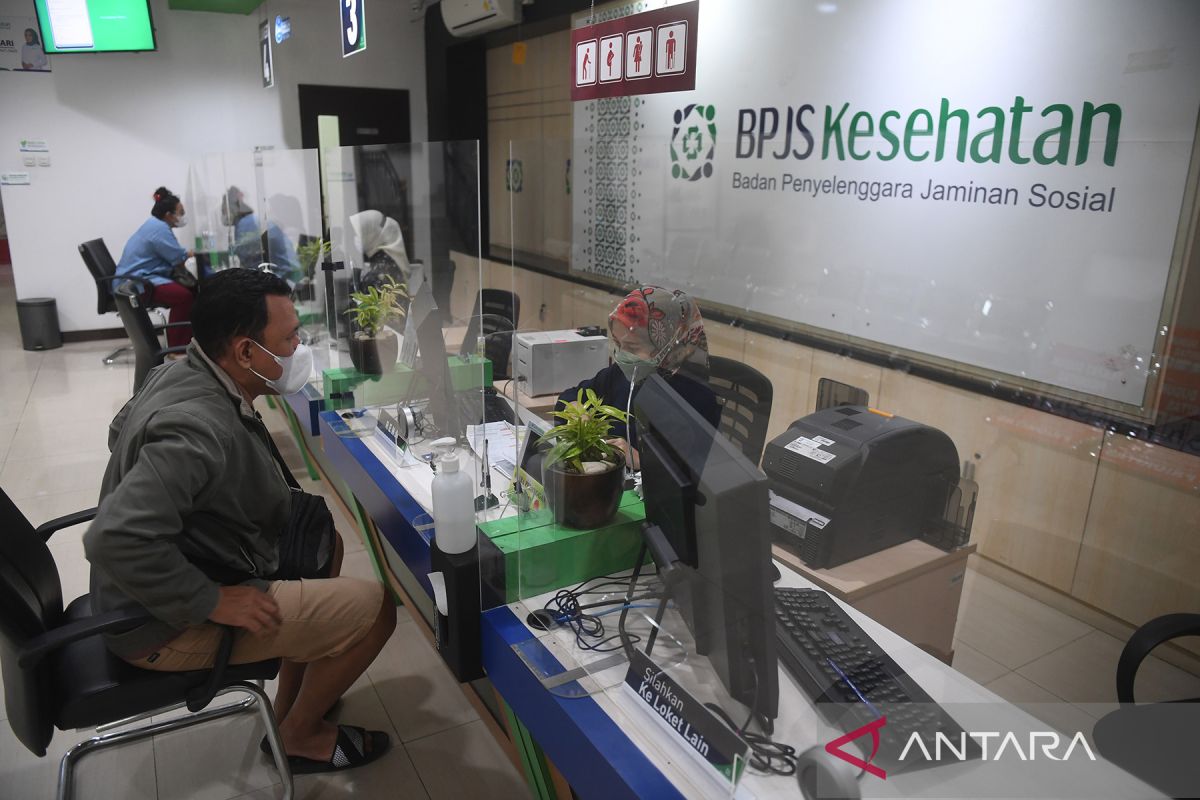
The benefits of the National Health Insurance (JKN) programme, managed operationally by BPJS Kesehatan, are increasingly felt by the Indonesian people. Currently, 99.4 per cent of Indonesians, or more than 282.73 million people, are participants in BPJS Kesehatan. The majority of participants fall under the Contribution Assistance Recipient (PBI) category, comprising both PBI-APBN (41.99 per cent) and PBI-APBD (21.22 per cent). In total, PBI participants account for 63.1 per cent, or 179 million members. These 282 million JKN participants are served by 23,770 Primary Healthcare Facilities and 3,194 Advanced Referral Healthcare Facilities.
The strategic role of BPJS Kesehatan is so significant that it has become a major topic of discussion on social media (34 per cent), with 58 per cent of the conversation being positive, only 7 per cent negative, and 35 per cent neutral. The utility of the JKN programme is evidenced by high usage of BPJS Kesehatan facilities, reaching 117 per cent, or approximately 1.9 million uses every day. While this represents a significant leap, particularly post-COVID-19, this high utilisation has triggered several crucial issues that require comprehensive solutions.
Firstly, there is a dominant curative approach. Ideally, the strategic role of BPJS Kesehatan should move beyond merely treating the sick (curative) towards promotional and preventive measures. This indicates underlying issues regarding policy and public lifestyle. The dominance of curative aspects serves as a serious warning regarding the long-term sustainability of health financing under JKN.
Secondly, high utility does not equate to high payment levels from participants, which only reached 107 per cent. This means that the collection of contributions (107 per cent) is lower than the claim ratio of 117 per cent. In extreme terms, the financial profile of BPJS Kesehatan is spending more than it earns. This phenomenon is driven by a high number of inactive participants (58.32 per cent). Furthermore, arrears from participants have reached Rp28 trillion. One of the major defaulters is local governments, amounting to Rp6.5 trillion, with the West Java Provincial Government being the largest debtor at Rp450 billion. The trend of local governments defaulting on BPJS Kesehatan contributions has intensified following central government budget cuts, which reduced regional budgets from Rp900 trillion to Rp600 trillion.
Thirdly, there is a high prevalence of non-communicable diseases (catastrophic diseases). The phenomenon of catastrophic diseases—such as diabetes, cancer, coronary heart disease, stroke, and kidney failure—consumes approximately Rp50.5 trillion (26.7 per cent) of the total BPJS Kesehatan treatment costs. Coupled with the high level of curative treatment, this phenomenon acts as a ‘time bomb’ that must be mitigated. This is particularly concerning as health checks on 104 million BPJS Kesehatan participants revealed that 17 million are at early risk of developing diabetes mellitus. This is in addition to existing diabetes sufferers (20.4 million or 11 per cent) and the prevalence of existing hypertension (34.11 per cent, according to SKI 2023).
Given these current phenomena, it is unsurprising that the financial profiling of BPJS Kesehatan consistently shows a deficit. In 2026, BPJS Kesehatan is facing a monthly deficit of Rp2 trillion. As of April 2026, the financial position of BPJS Kesehatan is no longer healthy, as it is only able to fund less than 1.5 months of operations. According to standards, BPJS Kesehatan must be able to fund itself for at least 1.5 months of payments. Every month, BPJS Kesehatan must allocate Rp15.9 trillion (Rp190.3 trillion per year) for medical treatments and other operational costs.