
Late Period but Negative Pregnancy Test: Possible Causes
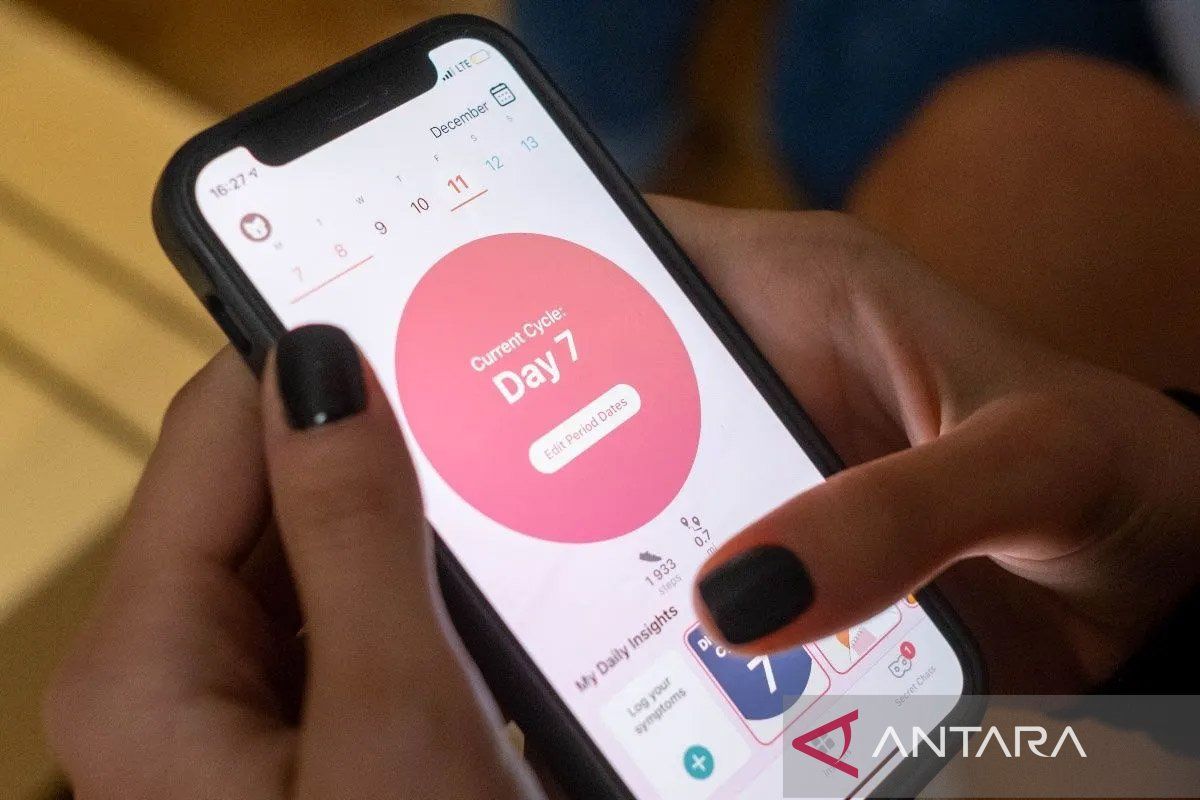
Jakarta (ANTARA) - A late period often leaves women wondering whether they are pregnant. However, a negative result on a pregnancy test does not necessarily explain the delay.
There are several possibilities to consider. A negative result may occur because the test was taken too early, but late menstruation can also be triggered by stress, weight changes, hormonal disorders or certain medical conditions.
Pregnancy tests work by detecting human chorionic gonadotrophin (hCG) in urine. This hormone begins to be produced after an embryo implants in the wall of the uterus. Its levels then rise during early pregnancy, making it detectable in a urine test.
A negative result should therefore be considered in light of when the test was taken, how regular the menstrual cycle is and the person’s health. What can cause a late period despite a negative pregnancy test?
1. The pregnancy test was taken too early
One reason for a negative result is that the test was taken before hCG levels were high enough to be detected.
In early pregnancy, the body produces relatively low levels of hCG. If a test is taken very soon after sex or before the expected period, it may not yet detect the hormone.
The US Food and Drug Administration (FDA) says that around 10–20 out of every 100 pregnant women may not get a positive result on the first day of a missed period. This can happen because ovulation and the rise in hCG occur at different times for different people.
2. Stress and emotional pressure
Prolonged stress can affect the part of the brain that regulates reproductive hormones. This may disrupt ovulation and, in turn, alter the timing of menstruation.
Work pressures, family problems, insufficient rest and anxiety can all affect the menstrual cycle.
If ovulation occurs later than usual, menstruation may also arrive later. In that situation, a pregnancy test may remain negative because there is no pregnancy, or because the test was taken before hCG could be detected.
3. Drastic changes in body weight
Losing or gaining weight over a short period can affect the hormonal balance that regulates menstruation.
Excessive weight loss, insufficient calorie intake and weight gain can all disrupt ovulation.
As a result, periods may be late, irregular or temporarily stop. This does not necessarily indicate pregnancy, and should be considered alongside changes in diet and other aspects of health.
4. Polycystic ovary syndrome (PCOS)
Polycystic ovary syndrome (PCOS) is a hormonal disorder that can cause irregular ovulation.
Women with PCOS may have infrequent or late periods, or go for several months without menstruating. The condition may also be accompanied by acne, excessive hair growth on the face or body, and weight changes.
Because ovulation does not occur regularly, periods can be difficult to predict. A pregnancy test may be negative if the delay is not due to pregnancy.
5. Thyroid disorders
The thyroid gland helps regulate the body’s metabolism and is also linked to the balance of reproductive hormones.
Hypothyroidism and hyperthyroidism can affect the menstrual cycle. Hypothyroidism occurs when the thyroid does not produce enough hormones, while hyperthyroidism occurs when it produces too much.
In addition to irregular periods, thyroid disorders can cause symptoms such as fatigue, weight changes, a racing heart, or changes to the skin and hair.
6. Use of hormonal contraception
Hormonal contraceptives, including the pill, injections, implants and hormone-releasing intrauterine devices, can change menstrual patterns.
Some women have lighter or irregular periods, or no menstrual bleeding at all, while using certain methods.
These changes are related to the effects of contraceptive hormones on ovulation and the uterine lining. Nevertheless, a late period while using contraception does not make pregnancy impossible. If pregnancy is possible, testing is still necessary.
7. Breastfeeding
Women who are breastfeeding may have irregular periods or no periods temporarily.
This is linked to increased prolactin levels during breastfeeding. The hormone can suppress ovulation, so the menstrual cycle may not yet have returned to its pre-pregnancy pattern.
However, breastfeeding does not rule out pregnancy. Ovulation can occur before the first period after giving birth. Women who are sexually active should therefore still consider the possibility of pregnancy.
8. Excessive physical activity
Exercise benefits health, but very strenuous activity without sufficient energy intake and recovery time can disrupt hormonal balance.
This can affect the hormones that regulate ovulation and menstruation. The risk may be greater for women doing intensive training, losing weight or consuming too few calories.
If a period is late after an increase in exercise intensity, it is worth considering overall health and recovery patterns.
9. Perimenopause
Perimenopause is the transition before menopause, when reproductive hormone production begins to change.
During this phase, menstrual cycles may become longer, shorter or irregular. Perimenopause generally occurs between the ages of 45 and 55, although its onset varies.
Some women also experience hot flushes, sleep disturbances and mood changes. A late period at this age does not automatically mean that pregnancy has occurred—or that it is impossible.
A negative pregnancy test does not completely rule out pregnancy, particularly if the test was taken too early.
If a period has not started and pregnancy remains possible, the test can be repeated a few days later. To improve the chances of an accurate result, consider the following:
1. Repeat the test after a few days
If the first result is negative but the period has still not arrived, test again about a week after the first test, or as advised by a healthcare professional.
2. Use the first urine of the morning
Morning urine usually has a higher concentration of hCG and may help detect the hormone in early pregnancy.
3. Check the expiry date
Make sure the test is still valid and its packaging is undamaged.
4. Follow the instructions
Pay attention to how to dip or use the test, how long to wait and when to read the result. Reading it outside the recommended time can lead to misinterpretation.
5. Look out for other signs of pregnancy
Nausea, breast tenderness, fatigue and more frequent urination can occur in early pregnancy, but these symptoms cannot confirm pregnancy without a test.
If the result remains negative but the period still does not arrive, consult a doctor. A blood test to measure hCG or other examinations may be carried out as needed.
An occasional late period does not always indicate a health problem. However, medical assessment is needed if a previously regular cycle changes significantly or delays keep recurring.
Women are advised to consult a doctor if they have missed three consecutive periods, particularly if this is accompanied by weight changes, fatigue, excessive hair growth or other symptoms.
Seek medical attention immediately if a late period is accompanied by severe lower abdominal pain, especially on one side, unusual vaginal bleeding, pain at the tip of the shoulder, severe dizziness or fainting. These symptoms may indicate an ectopic pregnancy, in which a pregnancy develops outside the uterus, and require urgent treatment. A negative pregnancy test should not be used as a reason to ignore these emergency symptoms.
A late period with a negative pregnancy test can therefore have various causes, from testing too early to hormonal changes and certain health conditions. Repeating the test at the right time and consulting a doctor if symptoms persist are safer than jumping to conclusions about the cause.
Source: jawawa.id (https://jawawa.id/newsitem/late-period-but-negative-pregnancy-test-possible-causes-1794189111)
Originally published by Antara (Indonesian) (https://www.antaranews.com/berita/5840523/menstruasi-terlambat-tetapi-test-pack-negatif-ini-penyebabnya), translated from Indonesian