
Langkat Regent's School Uniform Corruption Case: Education Funds Demanded Back for Students
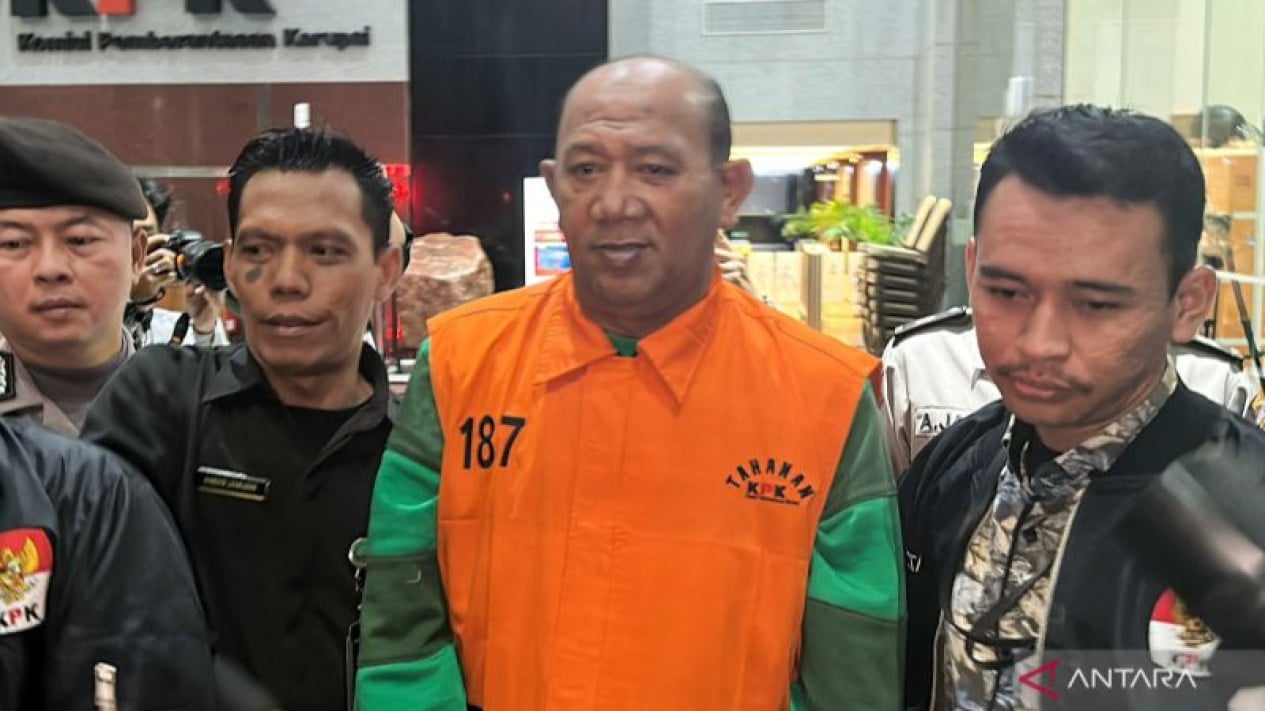
The alleged corruption case involving the inactive Regent of Langkat, Syah Afandin, has drawn significant scrutiny from education observers. They are demanding that the education budget suspected of being misappropriated be recovered and returned to serve the interests of students.
The National Coordinator of the Indonesian Education Monitoring Network (JPPI), Ubaid Matraji, stated that the education budget should not disappear due to corrupt practices, as these funds are the right of the community, particularly students. According to him, the case uncovered by the Corruption Eradication Commission (KPK) serves as a reminder that the education sector remains vulnerable to budget irregularities.
“The education budget remains an easy target for corruption by regional elites. Why? Because the budget is large, there are many procurement packages, oversight is weak, and the power relationship of regional heads over departments, school principals, and goods/service providers is very dominant,” he said on Sunday, 5 July 2026.
“When education is managed like a political project, schools transform into rent-seeking machines,” he added.
In addition to procurement projects, Ubaid also highlighted the alleged practice of buying and selling principal positions that emerged within the case structure uncovered by the KPK. He noted that if the appointment of school principals is not based on competence, the impact is felt not only in bureaucratic governance but also in the quality of education.
“The most dangerous aspect is the alleged buying and selling of principal positions. If a principal is chosen because of a kickback, rather than integrity and capacity, then it is not just the bureaucracy that is damaged, but also the quality of learning, child protection, and the future of students,” he remarked.
“Principals born from transactions will tend to seek to recoup their initial costs, rather than improving the school,” he said.
Ubaid assessed that the Langkat case must serve as an alarm for the government that the large 20 per cent allocation for the education budget does not necessarily result in better educational services if governance remains problematic. Consequently, JPPI has requested that the KPK investigate the matter thoroughly, including tracing other parties suspected of enjoying the flow of funds.
Furthermore, he urged the Ministry of Home Affairs and the Ministry of Primary and Secondary Education to conduct a special audit of education governance in the Langkat Regency, particularly regarding the procurement of goods and services, the transfer of school principals, and projects within the Education Department.