
Lane Keep Assist to Become Mandatory on New Cars in Australia from 2029
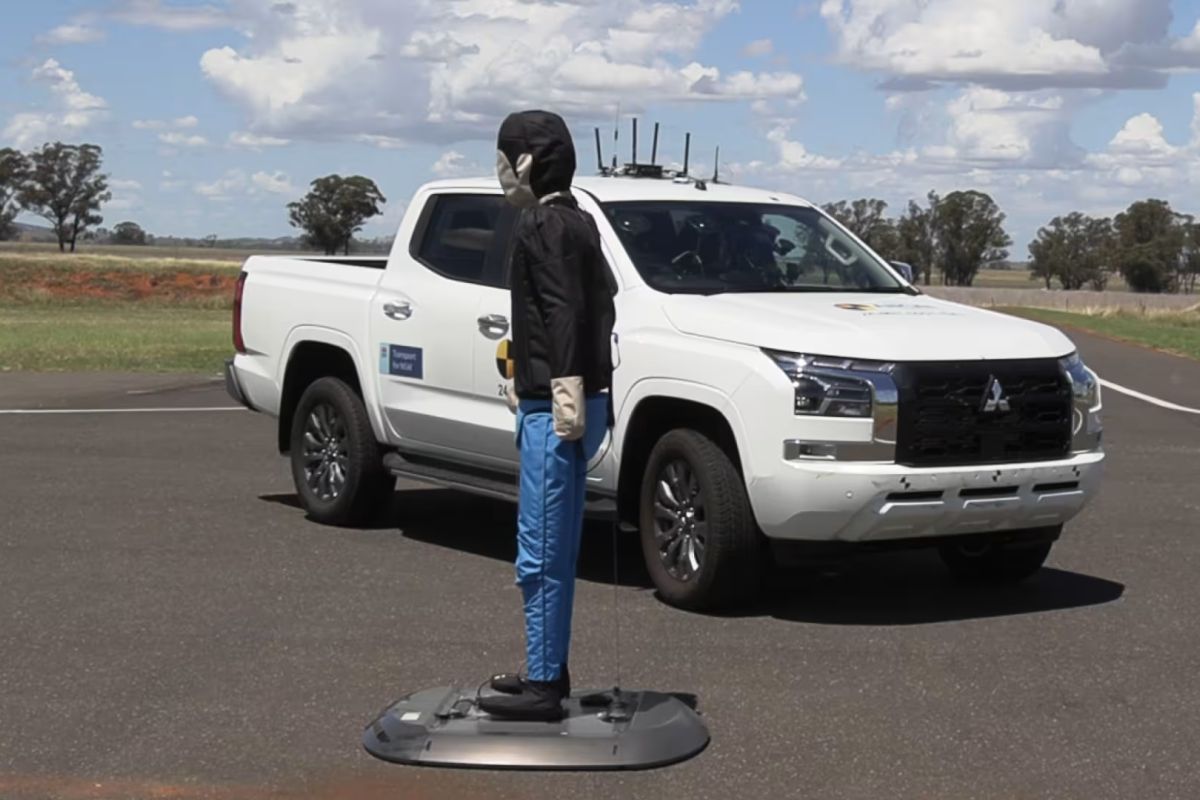
The Australian Federal Government will require lane keep assist technology on all new passenger cars and light commercial vehicles imported into Australia starting 1 March 2029, according to Australian automotive news outlet Drive. The policy will coincide with a mandate for autonomous emergency braking (AEB) systems capable of detecting cyclists and automatically braking when a potential collision is identified. Previously, AEB systems were only required to detect pedestrians and other vehicles.
Vehicles imported before 1 March 2029 may still be sold after that date, while used cars already on the road are unaffected by the new rule. Lane keep assist and AEB with cyclist detection are already available on many of Australia’s best-selling new cars, as they are prerequisites for a five-star safety rating from ANCAP. However, a number of older models sold in dealerships still lack both systems or use versions that do not meet the testing parameters set by the Australian government.
ANCAP has now updated its five-star testing protocols to include an evaluation of how aggressively the lane keeping system intervenes, both on test tracks and in real-world driving conditions. Exemptions to the new rules apply to pickups (utes) and vans with a Gross Vehicle Mass (GVM) of 3.5 tonnes or more, such as the Toyota LandCruiser 70 Series and Ram 1500. These vehicles are only required to have AEB capable of detecting other vehicles and, from 2028, a lane departure warning system that alerts the driver when the vehicle drifts out of its lane, rather than a system that automatically steers it back.
AEB with vehicle detection is already mandatory for passenger cars, SUVs, pickups, vans, and light trucks, while rules requiring AEB with pedestrian detection capability are also now being enforced. The lane keep assist mandate was first proposed by the previous federal government in 2021, with a planned implementation from 1 March 2024 for new vehicle models and 1 March 2026 for all new models. At the time, the policy was estimated to reduce light vehicle fatal crashes by 11.9 percent, saving 6,989 lives and preventing 23,648 serious injuries and 7,385 minor injuries over a 35-year period.
Implementation was delayed following public consultation feedback regarding the ability of vehicles designed for overseas markets to recognise Australian road markings. A spokesperson for the Department of Infrastructure, Transport, Regional Development, Communications and the Arts told Drive in 2023 that the department was working with the United Nations World Forum for Harmonization of Vehicle Regulations to ensure Australian road markings are included in international requirements. The existing AEB with vehicle detection requirement already ended sales of the Mitsubishi ASX, Eclipse Cross, Pajero Sport, and Mazda6 in 2025, as their systems did not meet the operational parameters set out in the regulation. Several car manufacturers have also sought exemptions from the safety rules; Ineos Grenadier exploited a regulatory loophole for off-road vehicles to avoid standard AEB for vehicle detection, while Toyota changed the vehicle category of the LandCruiser 70 Series in 2022 to circumvent the same requirement.