
Landak and Ketapang Industrial Estates Gain PSN Status, but Pontianak-Singkawang Toll Road Left Out
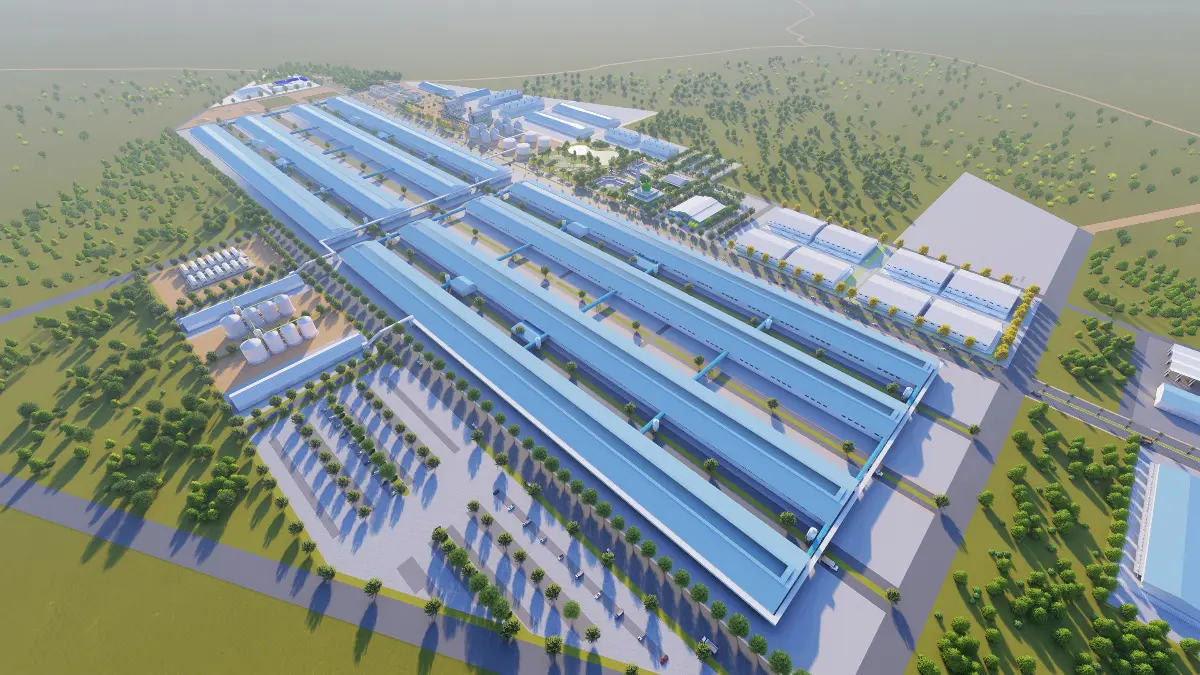
The Landak and Ketapang industrial estates have officially been included in the revised list of National Strategic Projects (PSN) through the Coordinating Ministry for Economic Affairs Regulation Number 16 of 2025. This status opens up opportunities for accelerated investment and new job creation in West Kalimantan. The inclusion of Landak and Ketapang, along with Wilmar Serang in Banten, demonstrates the central government’s focus on the agro-industry and food sectors. This aligns with the agenda for food self-sufficiency and strengthening exports of processed products, with a strategy of building added value close to primary raw material sources such as palm oil, rubber, and other agricultural commodities. The PSN status also serves as a lever to accelerate the growth of manufacturing investment and downstream processing, with industrial estates connected to ports or logistics terminals, energy supplies, and integrated licensing services.
However, the Pontianak-Singkawang Toll Road, which is expected to be the main distribution route for goods from these industrial estates to Kijing International Port, has not been included in the list of 50 priority toll roads under the PSN scheme. The project has not entered the construction phase and is not scheduled to do so until at least mid-2026. This toll road is considered a strategic link between the inland industrial areas of West Kalimantan and the province’s main export-import gateway at Kijing Port in Mempawah.
Both the granting of PSN status to the industrial estates and the absence of the toll road from the priority list are stipulated in the same Coordinating Ministry for Economic Affairs Regulation Number 16 of 2025. This situation illustrates that national priority setting is conducted on a sectoral basis, meaning strategic status for one type of project does not automatically extend to supporting infrastructure in the same region. The future impact of these two policies on West Kalimantan’s development will depend on subsequent steps taken by both central and regional governments in determining infrastructure priorities for the province.