
Lampung Pursues TB Elimination by 2030
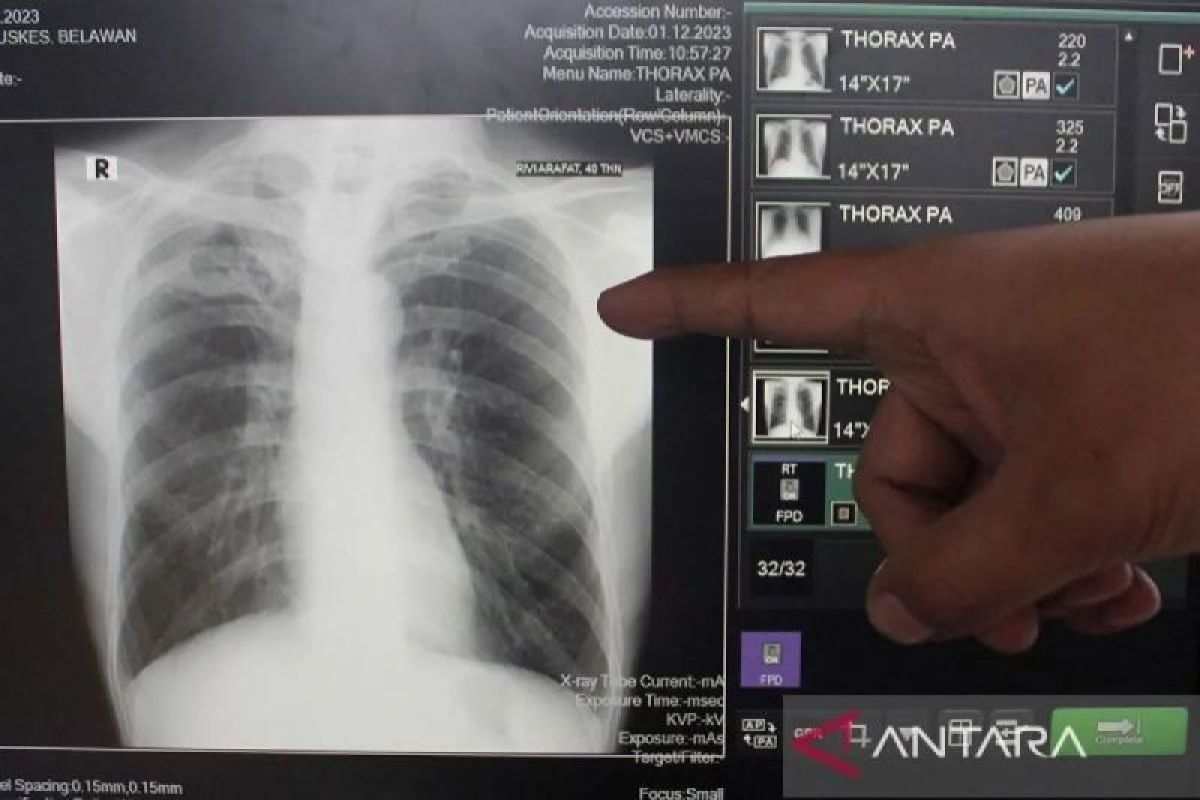
Bandarlampung has become one of the areas receiving special attention from the central government regarding tuberculosis (TB) management. In April 2026, Bandarlampung was designated as a national pilot project for accelerating TB elimination. This appointment was not without reason. The central government assessed the city government’s readiness, ranging from strengthening primary health services to empowering health cadres, as important capital in accelerating the control of the disease. Behind this designation lies a unique fact. Based on Ministry of Health data, the estimated number of TB cases in Bandarlampung is around 5,868 cases. However, as of April 2026, only about 882 cases had been detected. This indicates a gap between the estimated number of sufferers and the cases detected. This condition is known as missing cases, namely TB sufferers who have not been diagnosed or have not received treatment, so they still have the potential to transmit the disease to others. For the central government, finding undetected sufferers is far more important than simply waiting for patients to come to health facilities. Therefore, the strategy currently being implemented is active case finding through examinations of family members of TB patients and high-risk communities. In Bandarlampung, this step is realised through a health examination programme for around 20,000 family members from TB patient households. This approach is taken because someone who appears healthy is not necessarily free from infection. TB bacteria can be in a latent condition before developing into active disease. Early detection is expected to break the chain of transmission before new cases emerge. The role of community health centres is the spearhead of the programme’s success. The Bandarlampung city government is supported by 31 community health centres and 51 auxiliary health centres spread across all sub-districts. These first-level health facilities not only provide diagnosis and treatment services, but also conduct counselling, trace household contacts, and provide patient support to ensure treatment adherence for a minimum of six months.