
Lampung Governor invites public to perform Istisqa prayer
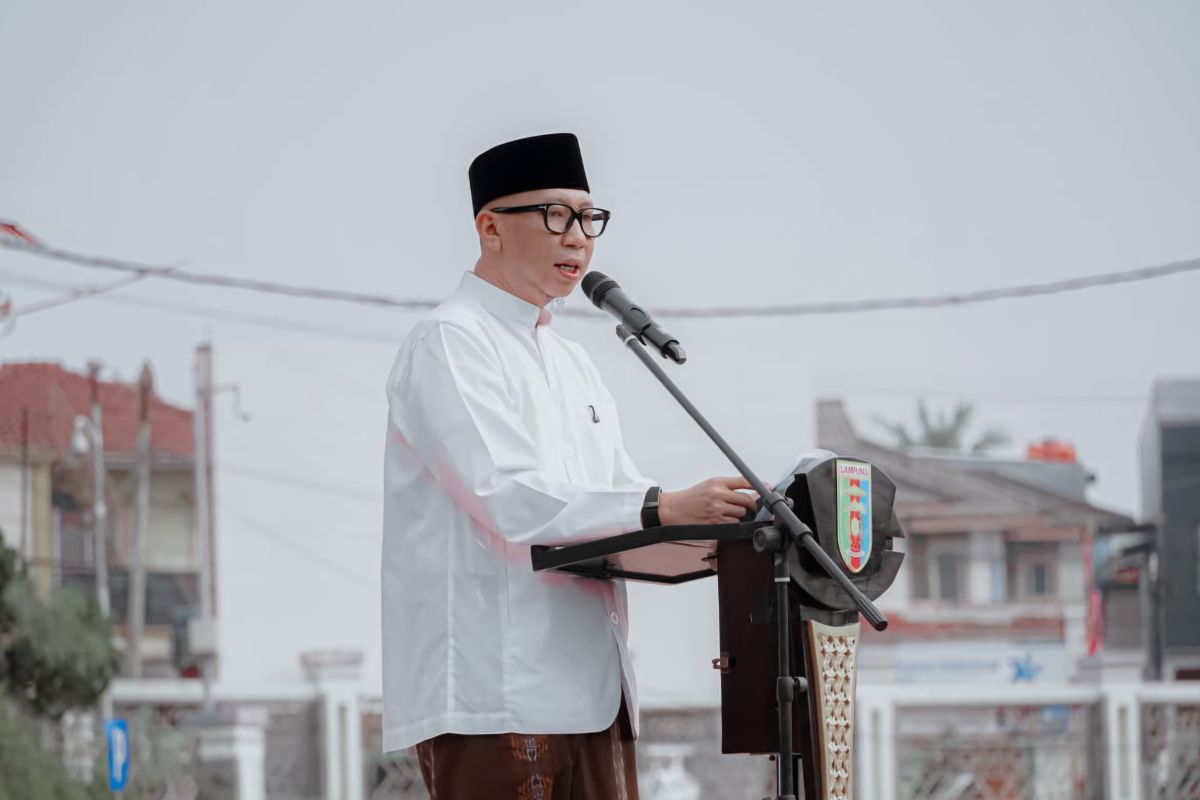
Bandarlampung (ANTARA) - The Governor of Lampung, Rahmat Mirzani Djausal, has invited the people within his region to perform Istisula prayers as an effort to face the prolonged dry season and the impacts of the eruption of Mount Anak Krakatau (GAK) in Lampung Province.
“Through this Istisqa prayer, it becomes a practice for all people in Lampung. If we do this together, the hearts of the Lampung people will become one, our spirit will be one, with the same goal,” said Rahmat Mirzani Djausal in Bandarlampung on Thursday.
He stated that the prayers offered collectively today could serve as a form of effort to ensure that rain falls promptly and brings blessings to the community.
“We encourage the implementation of Istisqa prayers not only within government environments but also in mosques, prayer rooms, and Islamic boarding schools throughout Lampung,” he said.
He continued that as more people pray and supplicate together, there is a greater hope that these prayers will be granted.
“The more people who pray, the more we hope that at least one prayer will be answered,” he added.
According to him, the people of Lampung are currently facing two conditions: a prolonged drought and the eruptive activity of Mount Anak Krakatau. These conditions have begun to impact water availability, agriculture, health, and daily community activities.
“Water sources are beginning to dry up, agricultural lands are lacking water supplies, and dust as well as extreme heat are starting to disrupt health and daily activities,” he added.
He stated that the government, alongside various parties, continues to take mitigation steps to address these issues.
“Those efforts include managing the impacts of Mount Anak Krakatau’s activity, drought, and fires, as well as providing information and advisories to the public to maintain their health,” he said.
He also reminded that the various efforts of the government and the community have limitations. Therefore, they must be accompanied by prayer and self-reflection. He invited the public to use the Istisqa prayer as a momentum to increase requests for forgiveness, improve good deeds, and strengthen devotion to Almighty God.
“The Istisqa prayer performed today is not solely about requesting rain. This is a moment for us to humble our hearts, increase our istighfar (seeking forgiveness), and ask for pardon for all our shortcomings,” he said.